Tidigare i år skrev jag om en provning av viner anordnad av Italien Slow Food Movement. Fokus där var på viner från Piemonte och nu när hösten börjar närma sig tycker jag att det är väl värt att fortsätta utforska viner från Piemonte.
För folk med ett stort intresse av vin är Piemonte synonymt med kvalitet och elegans och långlivade viner på druvan nebbiolo. Men jämfört med Chianti är Piemonte mindre namnkunnigt och för många är nog den enda kontakten med regionen det mousserande vinet moscato D’Asti. Piemonte är dock så mycket mer och erbjuder en hel del att upptäcka. Låt oss börja med en kort genomgång av landskapet.
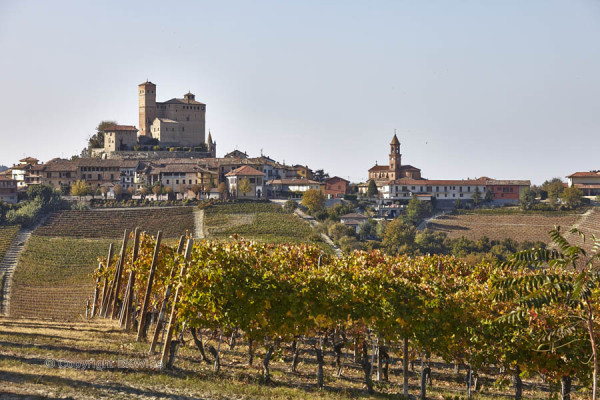
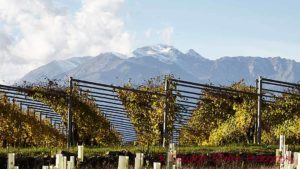
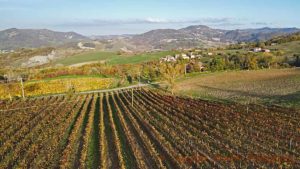
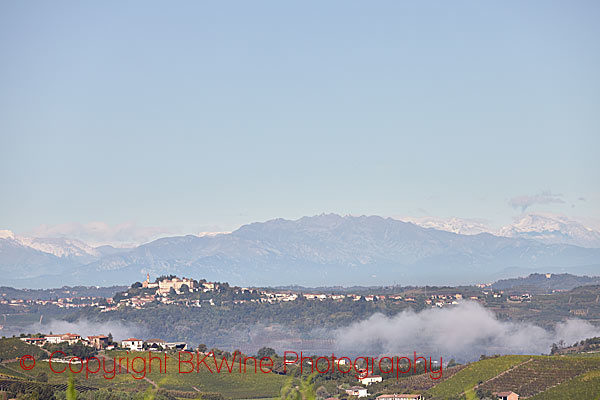
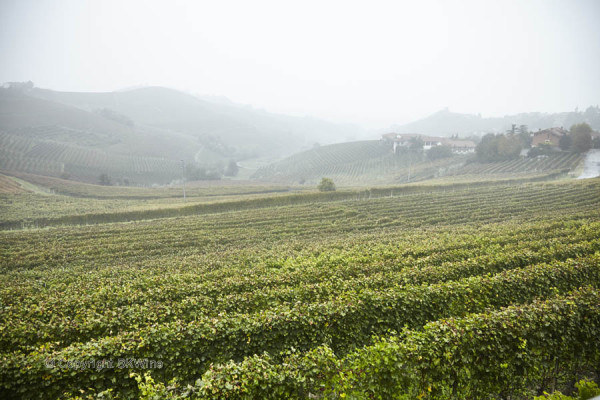
Piemonte betyder vid foten av berget och runt omkring Asti ligger Monferrato-kilarna som är utlöpare från Alperna. Området är alltså mycket böljande och enbart 5 % av vingårdarna ligger på slätmark. Bergen gör att det samlas en hel del fukt och dimma är inte alls ovanligt speciellt vid hösten. Under själva växtsäsongen är dock temperaturen hög och rätt stabil med en medel temperatur från juni till september på över 20 grader. När det kommer till olika vinertyper kan Piemonte stoltsera med en stor bredd. I den här omgången tänkte jag gå igenom de tre stora huvuddruvorna som används för rött vin och i nästa del kommer jag återkomma till de vita.
Läs alla artiklar i serien om tre om Piemontes viner:
- En introduktion till Piemonte med tre rekommenderade producenter
- Slow wine från Piemonte: Cantalupo, Icardi, Mossio
- Piemontes vita viner; värda att upptäckas!
Druvan nummer ett är utan tvekan nebbiolo och detta är den uppenbara kungen av Piemonte. Nebbiolo gör spännande och oförglömliga viner. I doften brukar de ofta ha en antydan av rosor eller tjära. De är överlag inte så aromatiska även om en del producenter har ändrat teknik och på så sätt fått högre extraktion och ett mer koncentrerat vin.
Färgmässigt är vinet ganska svagt och liknar i sitt utseende mer en pinot noir än en cabernet sauvignon. Den svaga färgen till trots så kan nebbiolo stoltsera med starka och tydliga tanniner samt en hög syra. Sammantaget får man ett vin som klarar av lång lagring men som kan vara strävt och oförlåtande i sin ungdom.
Två underregioner i Piemonte är framförallt kända för sina nebbiolo-viner: Barolo och Barbaresco. Barolo-viner brukar oftast beskrivas som kraftigare och mer ”manliga” medan Barbaresco ofta har gjort lite mer eleganta ”kvinnliga” viner. I dagsläget är det stor variation mellan olika producenter vilket har gjort den eventuella gränsen mer otydlig. Det finns även en del regioner runtomkring som gör riktigt bra nebbiolo viner och där fyndchansen är större.
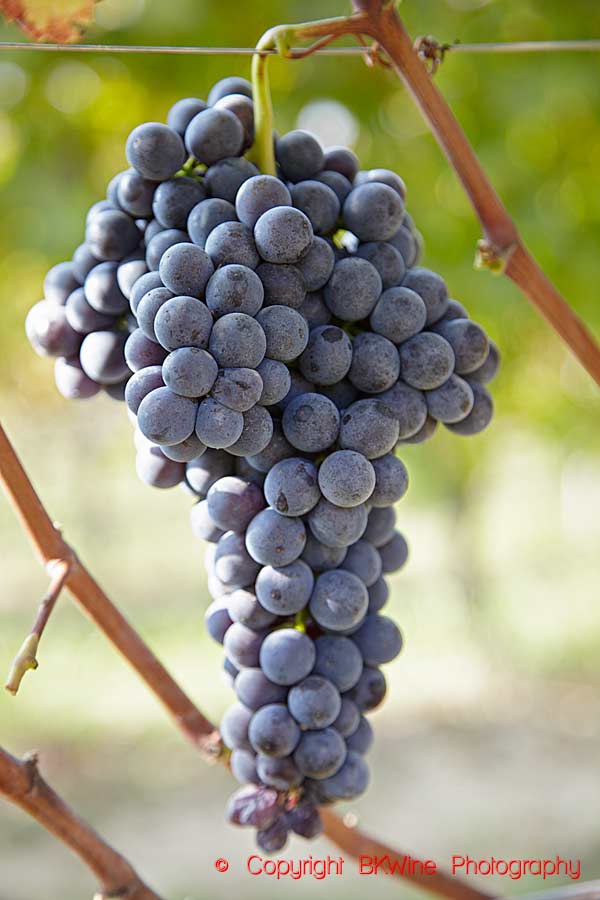
Barbera är en annan druva som odlas mycket i Piemonte och de kanske främsta exemplen görs runt Asti. Barbera anses ofta vara ett vin som skall drickas ungt och som saknar den struktur som krävs för en lång lagring. Detta är något som många av producenterna vid Slow Food provningen starkt tog avstånd från och framhöll att 10 år absolut inte är ett problem för en bra barbera utan snarare att det är först då vinet är i sin fulla rätt. Vid provningen fick vi möjlighet att prova många bra barbera viner och det slog mig verkligen hur stor skillnad det är mellan olika producenter. Barbera kan vara alltifrån ett fruktigt nästan syltigt vin till ett stramt nästan burgundiskt vin. Det här är en av de druvor jag är mest intresserad av just nu och det är beklagligt att vi inte har mer bra barbera viner i Sverige.
Den sista röda druvan jag tänkt ta upp är dolcetto. Dolcetto är ett lätt, lite körsbärsaktigt vin. Ofta har det en tydlig sötma och dricks normalt väldigt ungt. I den tidigare delen skrev jag om några viner från Mossio på dolcetto som var mycket intressanta.
Efter den introduktionen så är det hög tid att gå på några exempel. Här kommer provningsnoteringar och lite mer information om ett par till av de vingårdar som deltog på provningen.
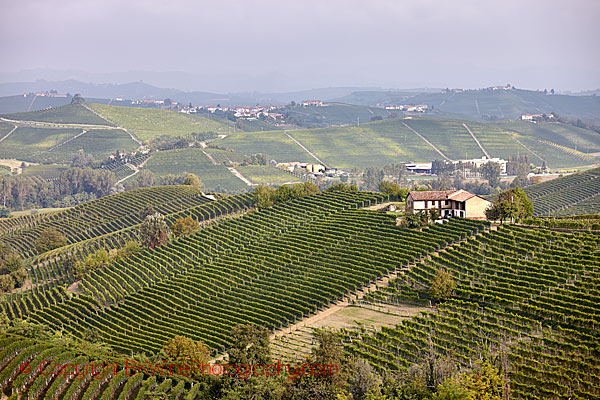
Castello di Neive
Det här är en familjeägd vingård som ägs av Stupino familjen. Familjen började sin bana inom vinodling när Giacomo köpte vingårdar i området. Redan 1964 köpte han slottet och sedan dess har det varit säte för familjeföretaget. Nu ägs det av hans fyra barn. När Giacomo dog 1970 tog Giulio och Italo över vingården. 1978 började de med hjälp av experter från universitet i Turin att förädla kloner av druvan Arneis som länge hade levt undanskymt på grund av sin låga produktion. De är mycket stolta över sina Barbera viner och jag fick höra att de odlar Barbera på 1,5 ha mark som är klassificerad som Barbaresco. Folk tycker att de är galna men så mycket älskar de sin barbera.
Följande viner fick vi prova.
Castello di Neive Dolcetto d’alba 2014
Ett fruktig vin som har en doft av söta bär, Det finns en hel del frukt som drar åt det mörkare hållet. Syran är ganska låg vilket ger en lite platt känsla. Avslutet är mycket intressant med en saltigt känsla. 84 p.
Castello di Neive Barbera d’alba 2014
Vinet är lite spritigt till att börja med. Starkt och bärig arom där det mest framträdande är jordgubbar. Vinet är stramt och välbalanserat med ganska långt slut med lätt frukt. 87 p.
Castello di Neive Barbaresco Santo Stefano 2012
Stor attack med massor av frukt, det som framförallt står ut är jordgubbar och körsbär. Tanninerna är redan nu smidiga trots sin styrka. Vinet har ett långt och fruktigt slut. Trots all frukt finns det även en del mörka toner i avslutet. 90p.
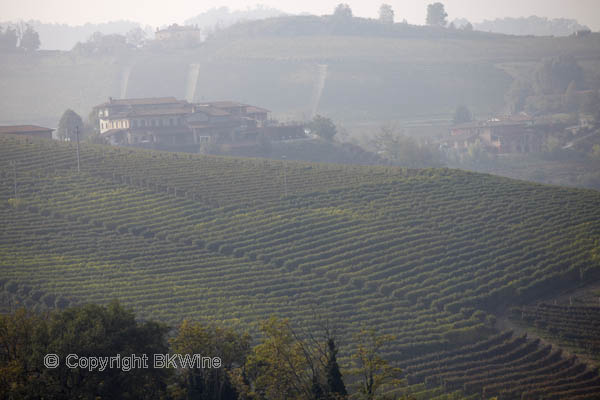
Cantina Rosoretto
Den här vingården ligger mitt i hjärtat av Barolo regionen. Namnet Rosoretto kommer från den trädgård med rosor som låg där innan det blev en vinodling. Fortfarande finns det tydliga spår av denna tradition och runt omkring vingården finns det gott om rosor. Vin har odlats på platsen sen 1958 då de första nebbiolo druvorna planterades. 1964 planterade man även en del dolcetto. Vingården har fått ett rejält uppsving sista tiden och 2011 stod den nya cantinan klar. 2013 öppnade de sin nya hemsida. Jag provade två av deras viner och tyckte att båda var förträffliga.
Cantina Rosoretto Barolo ”Parussi” 2012
Lätt doft. Mycket elegant. Smaken är välbalanserad med en lång eftersmak. De mest framträdande tonerna är jordgubbar och lingon. Tanninerna är tydliga och väldigt släta. 91 p.
Cantina Rosoretto Barolo”Parussi” 2011
Detta vin är mycket fruktigare än det ovan. Med lite varmare bär med toner av smultron och jordgubbe. Ett mycket fint vin med mycket lång eftersmak. Släta tanniner. 93 p.
Azienda Agricola Ca’ Viola
Beppe Caviola heter mannen som startade denna vingård. Trots att han släppte sitt första vin 1991, en dolcetto, så börjar historien långt tidigare än så. Beppe studerade på det enologiska centret i Gallo precis utanför Alba, ett center som har utbildat många stora vinmakare. På tidigt 80-tal fick han syn på en vingård han var mycket intresserad av, kallad Barturot. Detta var innan denna region blev känd för allmänheten och priserna på mark var rejält mycket lägre. Dock inte tillräckligt låga för att Beppe skulle kunna köpa marken men han lyckades hyra vingården och fick där fram sina första druvor. Han började med att göra vin på hobbynivå men när Elio Altare (välkänd vinmakaren redan på den tiden) smakade vinet och tyckte att Beppe borde buteljera och sälja det så gjorde han det. Och på den vägen är det.
Ca’ Viola Barbera D’Alba Brichet 2013
Mörk frukt. Mellan fylliga jordgubbar och björnbär. Tydliga tanniner och en mineralisk syra. 87 p.
Ca’ Viola Barbera D’Alba Bric du Luv 2012
Detta är ett av ”original” vinerna som han har gjort sen 1991. Vinstockarna är runt 70 år gamla. Vinet har en del blommiga toner, viol samt en hel del mörka svartavinbär. Avslutet är trevligt med en antydan av sötma. 86 p.
Ca’ Viola Barolo SottoCastello Di Novello
Vinet börjar med en lite blommig start. Det är ett ganska lätt vin med elegant frukt, jordgubbar. Det avslutas även med finess och elegans. 89 p.
Jag återkommer med en tredje avslutande del där jag lägger lite mer fokus på vita viner från Piemonte.
Läs del 1 här: Slow wine från Piemonte: Cantalupo, Icardi, Mossio.
Tobias Karlsson skriver på BKWine Magazine om provningar hos vinhandlare och vinimportörer i Sverige.
I höst kommer en ny bok om vinerna i Piemonte, skriven av BKWine. Missa den inte om du gillar Piemonte!
[box type=”info” style=”rounded” border=”full”]Vill du komma riktigt nära inpå vinerna från Piemonte, kom med på en vinresa dit med BKWine.
Rest till världens vindistrikt med experterna på vin och specialisten på vinresor.
Vinresor med vinspecialisterna.[/box]