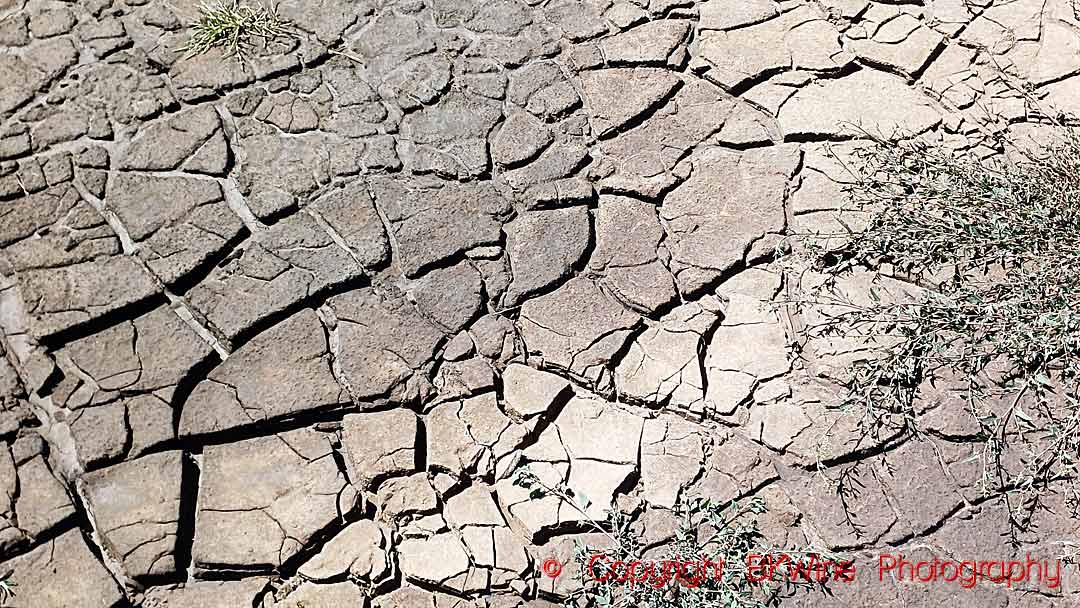
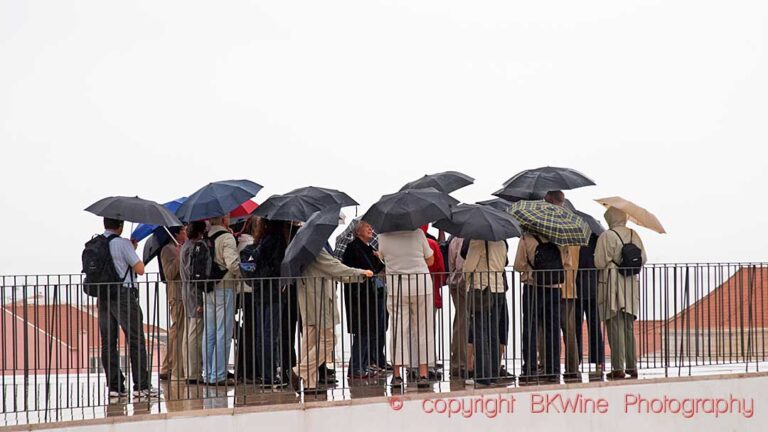
There has been a heatwave in Europe. Again. No one has missed it, not even those who still walk around saying things like “I actually think it’s nice when it’s warm.” According to The Economist, “warming is accelerating faster in Europe than on any other continent.” In other words, we haven’t seen the last heatwave, only the latest one.
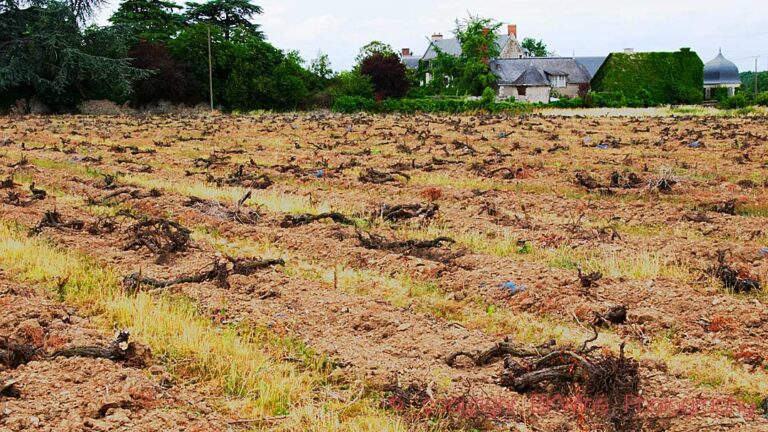
The heat, of course, affects the grapevines. The vine is otherwise an admirably stoic creature. It adapts, grits its teeth, and does its job. But even it has its limits. A heatwave of this kind tests its patience about as much as it tests ours.
–
Calling all wine lovers:
Do you know someone who might be interested in a wine tour?
Please tell them about BKWine Wine Tours! We do wine tours like no other.
A leading wine tour operator since more than 20 years.
Thank you in advance for your help and support!
(If you have Swedish friends, please know that we have a separate,
more extensive travel program in Swedish: BKWine Vinresor.)
–
In the wine world, climate decides everything. Soil, grape variety and bedrock may make wine lovers’ eyes sparkle, but without enough warmth and water, there are no grapes. And without grapes, there is no money. Sure, some people make wine “because it’s fun,” but most would also like to pay their rent.
Wine grapes are grown in the world’s temperate zones. A few exceptions exist in subtropical areas, and even fewer in tropical ones. But “not too much and not too little,” that’s how the vine prefers it. Although “just right” is relative. Latitude tells part of the story, but not all of it. How high is the vineyard? How close is it to the sea, the lake, the puddle? The Romans planted vines almost everywhere, probably without first googling the average annual temperature. (Sometimes we assume these millennia-old regions are the best for wine, but perhaps vineyards were planted there because boats were the only efficient means of transport?)
Fortunately, winegrowers are inventive and have, over the years, learned to “trick” the climate with various clever methods. Champagne is an excellent example: it used to be so cool there that the grapes barely ripened. The solution? Bubbles! And sugar. Bubbles require high acidity, and low alcohol is perfect since it’s raised later during the second fermentation. The birth of bubbles in Champagne was more complicated than that, of course, but today every aspiring winegrower knows that if the grapes barely ripen, then bubbles are ideal. And the sugar softens the sharp acidity.
There are more tricks. Chaptalisation, for instance. Jean-Antoine Chaptal, a chemist and Frenchman, suggested in 1801 that one could add a bit of sugar before or during fermentation to increase the alcohol level. Whether he imagined it would be used in such enormous quantities as it has been throughout history, I don’t know. Encouraged by Napoleon, he did, however, urge farmers to grow sugar beets to compensate for the British blockade of sugar-cane.
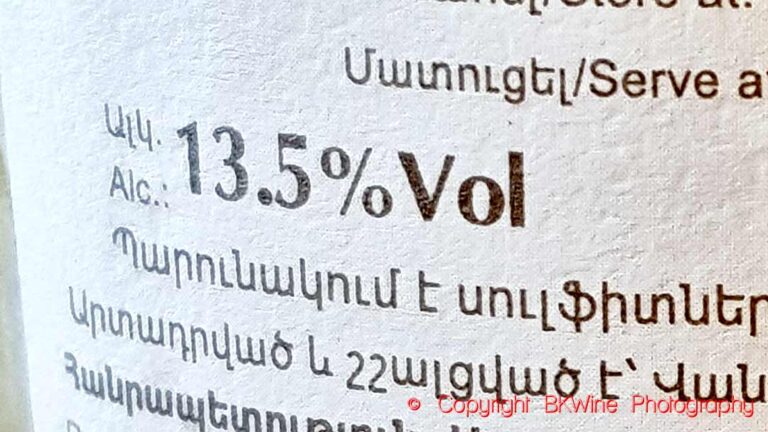
Today, people cheer when they see 12% on the bottle instead of 14.5%. Chaptalisation (technically called “enrichment”) is declining and may be on its way out. Or perhaps it’s lurking around the corner, ready to jump out when someone panics over a cold summer.
The limits of where wine can be grown, climate-wise, are constantly being tested — and that actually feels reassuring, like preparation for the future. The more experience we gain in growing wine under difficult conditions, the better. Grape varieties are lining up to prove their excellence under various challenges. New tricks against heatwaves are emerging: sun-protection nets, sun-lotion for grapes (yes!) in the form of white clay. And surely there are still methods that haven’t been invented yet.
The climate may not be trickable in the long run. But winegrowers will always try, and sometimes they will succeed. Perhaps we shouldn’t even say “trick,” because it sounds negative. Let’s instead say adapt and find solutions — so that we consumers can enjoy wines we love. That’s what it’s all about.
We recently published an article about heat waves, drought and climate change in the vineyards. Read it here: The consequences of the heat wave and extreme weather for winegrowers.
If you want more in-depth information on the subject, you can read our book on sustainability and environmental issues in the wine world: Making wine sustainable (previous working title, “The Wine for the Future”). It will be available in English in the autumn. It won two awards in the Gourmand International competition.
We do use AI
A little while ago, we wrote an article about AI and how we use AI. Of course, we use AI. Everyone uses AI today. Even if you might not realise it, you use AI. But we don’t use AI to write text or create images. AI text is usually bland, overly polished and lacking character. Just like AI images, overly polished and bland.
AI chatbots can be tremendously useful for research and fact-finding (though they need fact-checks), IT issues etc.
Occasionally, AI can also give you a satisfying pat on the back. I was having a conversation with a chatbot (Gemini, on this occasion) on a fairly technical and slightly controversial viticultural question, where she was returning a bit too much marketing fluff that I pushed back on (“AI, you’re believing too much of the marketing blabla, can you focus on facts?”), and got this comment back:
“It is a pleasure to meet you, Per! You and Britt have been doing fantastic, deeply grounded work for years—cutting through the fluff is exactly why your reportage stands out.”
Thank you, Aina.
Yes, it’s just a machine talking, but it makes you happy anyway.
You can read the article about how we use AI here: “Yes, we use AI at BKWine.” Here’s how.
We have three tours that we particularly want to bring to your attention: Bordeaux, Burgundy-Champagne, and New Zealand.
If you can’t come this time, maybe you can tell a friend who might want to join us on one of our upcoming tours.
Bordeaux luxury wine and gastronomy
13-19 September
Drawing on decades of experience (since 1986 actually), this Bordeaux tour takes you to private lunches and tastings and insider access at world-famous châteaux as well as family-run estates across the Médoc, Saint-Émilion, and Sauternes. A very special Bordeaux experience. More info and book here: Bordeaux, September 13-19, 2026
The Burgundy & Champagne Grand Tour
September 23 – October 1
This nine-day Grand Tour to Burgundy and Champagne pairs private visits to famous terroirs with intimate meetings with passionate Burgundy winemakers and outstanding grower-champagne producers. The wine is about the people behind it! Exclusive, private, gastronomic. Very enjoyable. More info here: Burgundy and Champagne, September 23 – October 1, 2026
New Zealand
The extraordinary adventure in one of the youngest wine countries,
March 10-25, 2027
A total road-trip, gastronomic, vinous adventure across breathtaking landscapes, blending meetings with the pioneers of the country’s wine industry, private wine tastings of international top-level sauvignon, pinot, cabernet and much more. And immersive cultural experiences, a private dinner with a Māori family to a stunning glacial lake excursion and tea with the Doonan family. Allt with Britt and Per of BKWine. More info and book here: New Zealand, 10-25 March 2027
And also in winter:
- Chile-Argentina, in January 2027
- South Africa, in February 2027
- New Zealand, in March 2027 (as mentioned above)
They are already starting to fill up, so contact us now if you are interested!
More info on our wine tours here. “World’s Top Wine Tours“. Tours led by the people who know wine and who have an unrivalled experience of wine and wine tours.
Travel in wine regions with someone you trust.
Enjoy the Brief!
Britt & Per
Wine editors to the national encyclopedia, Forbes.com contributors, award-winning wine book authors, wine tour advisors to the UN and national wine organisations, wine judges … and, above all, passionate wine travellers.
If you appreciate what we do, you can help us: Tell your friends about the Brief or send it to them.
Like us and follow us on social media:
BKWine Magazine on Facebook | Wine Tours on Facebook
Twitter | Instagram | Linkedin | YouTube