The consequences of the heat wave and extreme weather for winegrowers

Share / Like:

Share / Like:

A heat wave is scorching large parts of Europe as I write this, with temperatures touching 45 °C in parts of France. But while we humans are suffering, it is worth asking: what about the vines? Yes, they suffer too. The consequences for winegrowers are significant and complex. It can be accelerated ripening and potentially unbalanced wines, water stress, irrigation challenges, forest fire risk, and just simply how to manage harvesting in extreme heat. Climate change seems to be pushing weather patterns toward ever more dramatic swings. Here is a closer look at what this means for wine producers, and thus wine consumers, and what options they have for adapting.

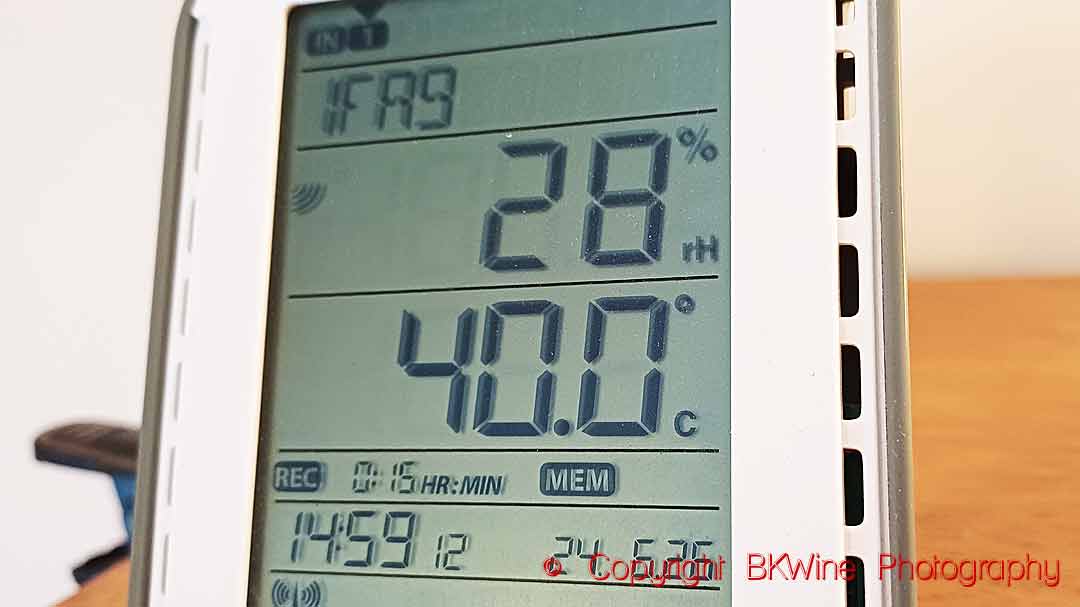
Today, as I write this, the heat wave is expected to reach its peak here in Paris. It will be a few degrees above 40. Yesterday the thermometer showed a maximum of 41.3 °C. (In the shade, on the north side of the house. Measuring the heat in the sun is pointless. It gives a completely arbitrary result.) Hot enough. At night, early in the morning, it drops to 26 °C.

It is not only France that is affected, although the heat zone’s centre is here. The whole of southern Europe is affected, and it also seems poised to spread northward. (By the time you read this, we may know if this is the case.) In England, a heat record was recorded yesterday, 36.1 °C. In the French South-West, it reached almost 45 °C.

The forces of the weather are testing us. We talk about “the elements” when describing dramatic weather, and in this particular case, it seems as if the elements in the global radiator are stuck on high.

A thermometer showing 40 C and 28% humidity
A thermometer showing 40 C and 28% humidity, copyright BKWine Photography
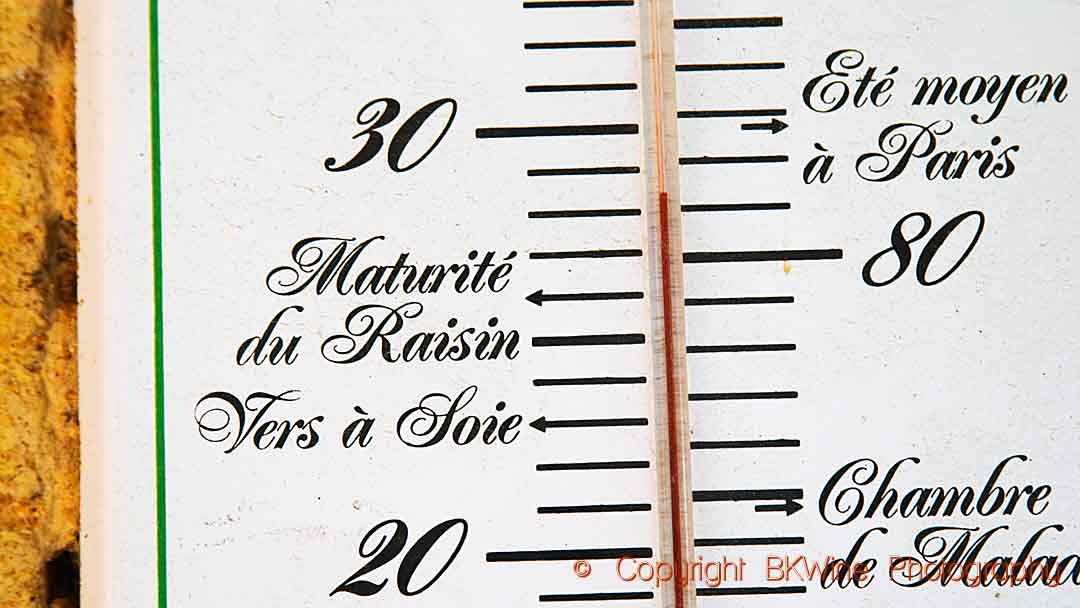
A thermometer with a scale
A thermometer with a scale, copyright BKWine Photography

Of course, it’s problematic. People are suffering. About fifty people are said to have died because of the heat, but most not directly from the heat, but from drowning. Two small children had been left in a car in the sun… But people are affected very differently. I myself suffer more from the cold than from this heat. Others are struggling to stay up. But as long as you drink a lot (of water!) you’ll be fine.

The transport system is failing. The asphalt is melting and turning into mud in places. Traffic is getting denser (cars have air conditioning, but not much public transport does). Some schools are closing, outdoor markets are being cancelled – at our market, there was no fish stall, no cheesemonger, no butcher yesterday. How are they supposed to keep their goods in shape in the heat?

Do vines suffer?

But what about the vines?

The vines are also suffering from the heat, perhaps less than we humans, but still. Many wine producers are worried. Viticulture is affected in several ways.

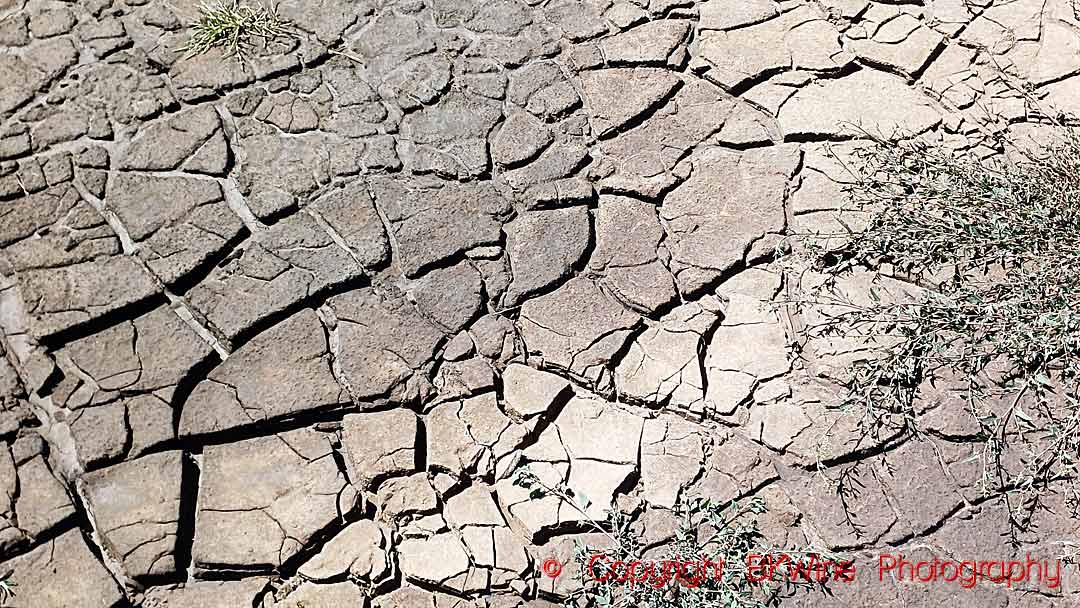
Dry, cracked earth
Dry, cracked earth, copyright BKWine Photography

Rapid ripening and early harvest

Due to the warm and sunny weather, the grapes have had time to develop much further in their ripening cycle than normal. What are usually small green mini-pea-size grapes have now developed into at least half-sized grape clusters. In Roussillon, where I was a little while ago, there was talk that, instead of starting the harvest in mid-late August, they will have to start harvesting in early August, or even in July. In Bordeaux, the harvest usually starts in mid- to late September. Perhaps the harvest will be in August this year. Champagne is already planning the harvest for August, weeks before the norm.

Wine producers will be forced to reschedule their holidays. It may not sound so dramatic, and is of course manageable, but it can lead to unexpected problems. During a previous extremely hot summer (2003), I visited a producer in Champagne. They worked with the same harvest workers every year, a number of Roma families. When they realised that the harvest would have to be brought forward, they tried to contact their harvest team, but they couldn’t reach them, so they had no harvesters. Luckily, they managed to find a Plan B and were able to do the harvest.

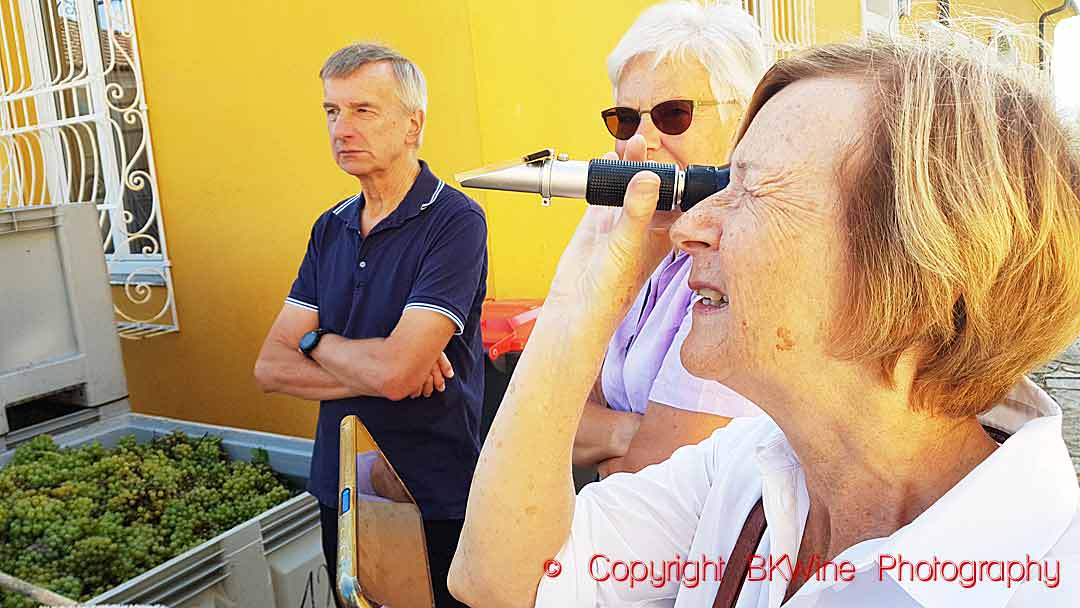
Britt Karlsson, BKWine, looking in a refractometer to check sugar/alcohol
Britt Karlsson, BKWine, looking in a refractometer to check sugar/alcohol, copyright BKWine Photography

But extremely fast ripening can lead to other problems. It can lead to an imbalance in grape ripeness. The three parameters most often discussed are the grape’s sugar content, acidity, and phenolic ripeness. As the grape ripens, the sugar content increases and the acidity level decreases. In parallel, there is phenolic ripeness, i.e., colour, tannins, various flavours, and more. The heat and the breakneck speed of ripening can cause these different processes to be out of phase.

The result can be unbalanced wines. Green, immature tannins, excessive jammyness, high alcohol content, dull aromas…

“Can be”. Doesn’t necessarily have to be. That remains to be seen.

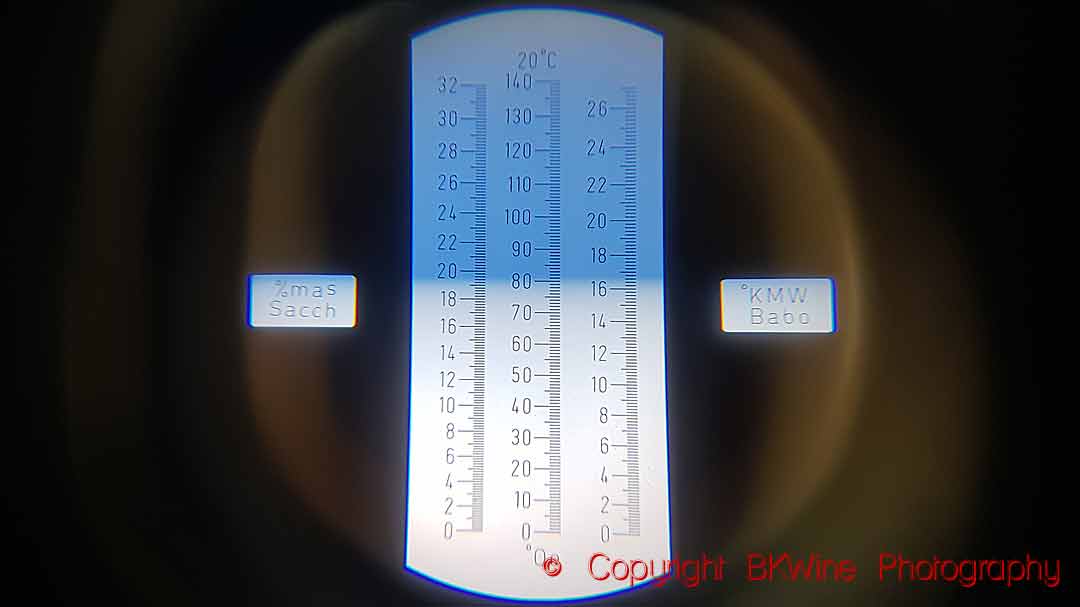
The scales of an Austrian refractometer to measure sugar/alcohol
The scales of an Austrian refractometer to measure sugar/alcohol, copyright BKWine Photography

The heat and sun can cause the grapes to become “burnt”. If exposed, they can dry out and shrivel prematurely. If you have done leaf thinning (leaf plucking) to “improve” the exposure, you may be particularly affected.

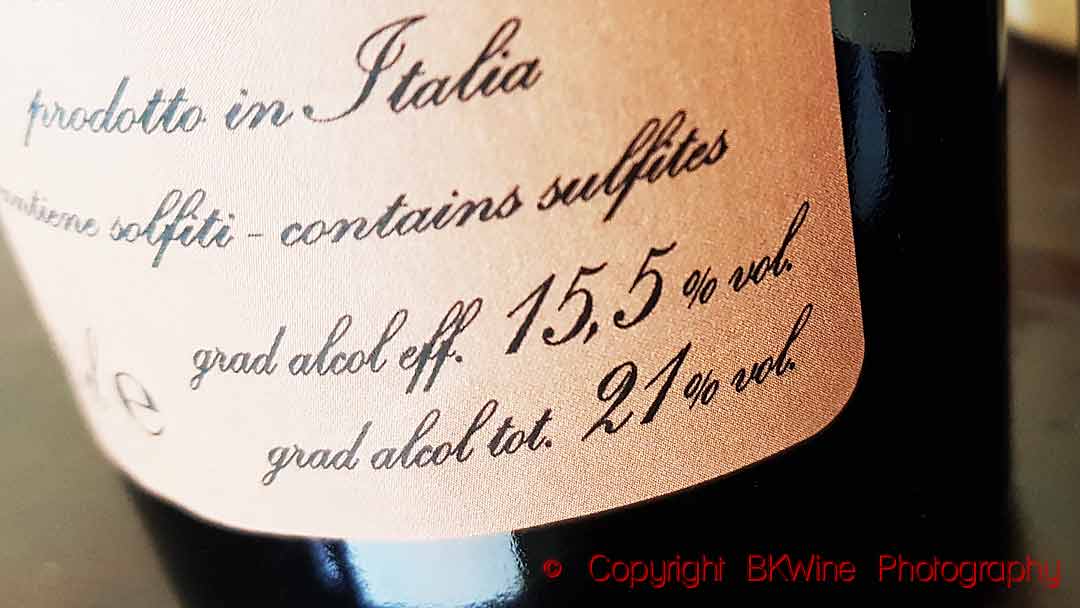
One result may be higher-than-normal sugar content. This may be a problem today, when the market seems to demand lower-alcohol wines (though sometimes you wonder whether people care more about the number on the label than the wine’s taste). Will producers be able to sell the wines from extra warm years?

A wine label with 15.5% effective alcohol and "total" of 21%
A wine label with 15.5% effective alcohol and "total" of 21%, copyright BKWine Photography

Drought

The hot weather and lack of rain can cause the vines to suffer from a lack of water. The younger the vines, the bigger the problem. This is where “old vines” have a distinct advantage. They have long roots that reach deep into moist soil layers.

We sometimes talk about “water stress,” i.e. the vine is stressed by not being able to find water and by high temperatures. This can cause maturation to come to a standstill, contrary to what one might think. The vine reacts to the drought and heat by “shutting down the system”. The stomata close to reduce evaporation, thus stopping the access to carbon dioxide, which the vine needs to continue maturing.

Grapes burned on the vine by the sun and heat in 2003 in Chablis grand cru
Grapes burned on the vine by the sun and heat in 2003 in Chablis grand cru, copyright BKWine Photography

Irrigation

In very dry and hot weather, irrigation can play a very important role. The misconception that “irrigation is prohibited in vineyards in Europe” is still surprisingly common.

No, irrigation in vineyards is permitted in the EU, as a global rule. However, it can be restricted by local regulations, e.g. in the French “décret” for appellations or the Italian “disciplinare” for the wine regions of Italy. The more “prestigious” the appellation, the stricter the regulations tend to be.

So there is a general permit for irrigation throughout the EU, but countries can introduce different local regulations, national or regional. Locally (in each AOP/AOC/DO/DOCG/IGT/vino…), the regulations vary. Some regions have a complete ban. Others allow it in crisis situations. Others allow it on condition that the producer submits a request or just a report that it is being done. Others only allow it within certain date ranges. Still others have even more liberal regulations.

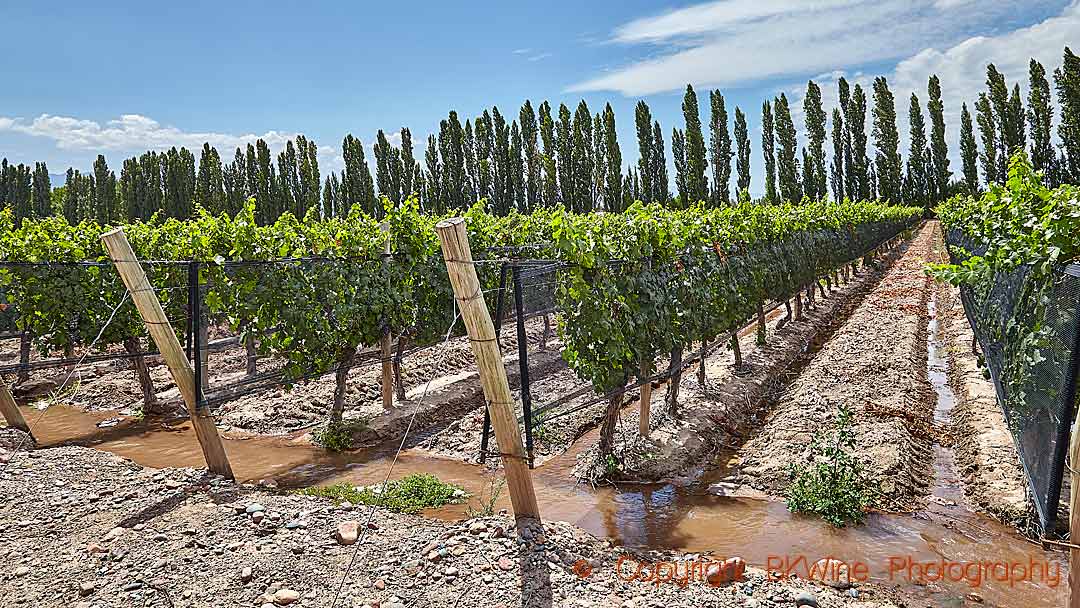
Flood-irrigation using canals in a vineyard with hail nets in Mendoza, Argentina
Flood-irrigation using canals in a vineyard with hail nets in Mendoza, Argentina, copyright BKWine Photography

Irrigation regulations have been relaxed over the years. In the past, it was considered that “irrigation is bad, because it dilutes the wine”. Not anymore. What was probably the pivotal event was the heat wave of 2003 (if not earlier). A lot of substandard wine was produced in 2003 because the vines lacked water. People began to realise that you can actually make better wine (and not worse) if you use irrigation in an intelligent and responsible way. The “simpler” levels (vin de france/vin de table) typically have more liberal rules than the “higher” levels (IGP and then AOP). For example, in 2016 Pessac-Léognan, in 2017 Saint Emilion followed suit, and since 2021 you can request to do irrigation in Pomerol. Read more on BKWine Magazine: Irrigation is permitted in Bordeaux.

If we look outside Europe, irrigation is even more common. There are large parts of Australia that would not be able to produce any wine at all without irrigation. The same goes for Mendoza in Argentina. There, you have the advantage of being close to the Andes and having access to the meltwater from its high altitudes in the rivers. But here too it is problematic. There is a shortage of water in Mendoza. If you want to plant a new vineyard, the most important thing to do is to make sure you have water rights.

Access to water

Access to water is, therefore, another important problem. In Mendoza, there is a shortage of water. You can no longer drill for groundwater any way you like, and access to meltwater is strictly controlled.

Other regions have the same problem. A few years ago, at the end of the ‘10s, South Africa suffered from a drought that lasted several years. They were simply running out of water. When we were there on our South African wine tour (next tour scheduled for February!), they were counting the days until the water in the reservoirs would run out. 35 days, 30 days,… Bathing in bathtubs was forbidden. When I was brushing my teeth at the airport and letting the water run, someone told me not to waste it. He was right. Then Cape Town, not just the vineyards but the whole of Cape Town and most of Western Cape, would be without water. Fortunately, the rains came eventually; they never got down to “day 0”. But the result was that South Africa lost thousands of hectares of vineyards.

In Languedoc, France, there is no large river available for irrigation. So they have built pipelines to take water from the Rhône River.

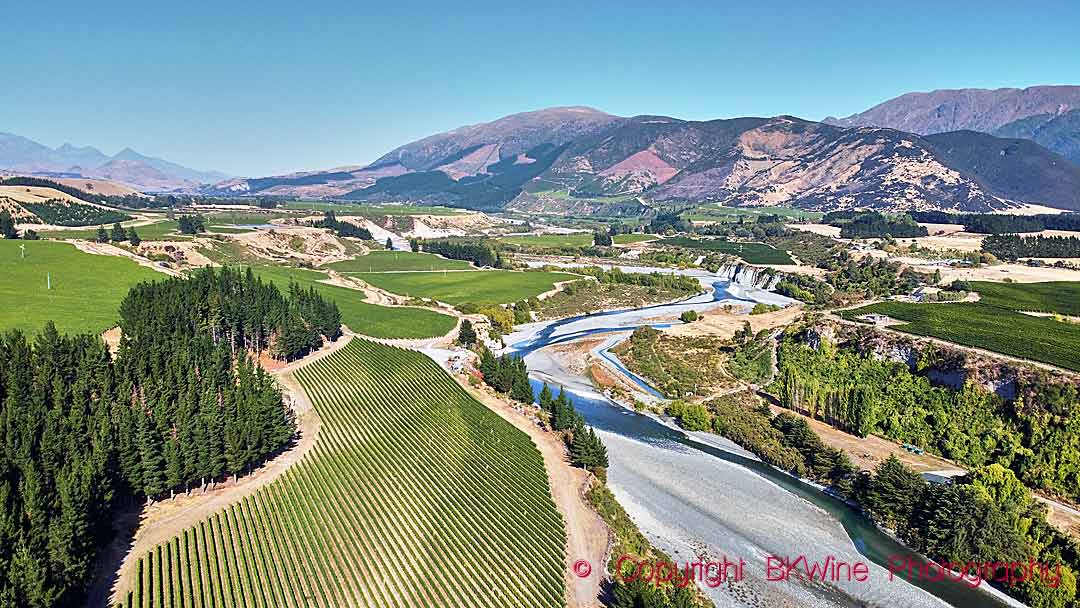
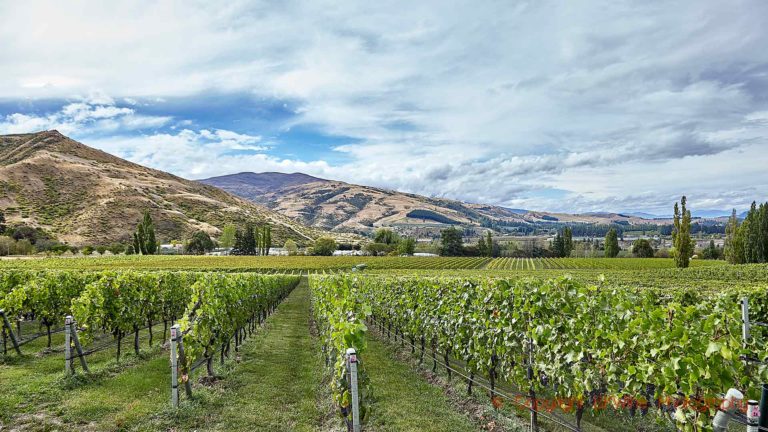
Sauvignon blanc landscape at Tupari Wines in the Awatere Valley, Marlborough, New Zealand
Sauvignon blanc landscape at Tupari Wines in the Awatere Valley, Marlborough, New Zealand, copyright BKWine Photography

Access to water is undoubtedly one of the big problems of the future. But the solution is hardly to say that “water is a human right”. That does not solve any issue. Instead, we need to see water as an important natural resource that must be managed wisely and fairly, and that has economic value for people and for society.

Water also needs to be used wisely. Different irrigation methods can be better or worse. When I recently posted a video about drip irrigation, a hose hanging from the vines where the water dripped, I received a comment from Christophe Bosquet, a wine producer in Languedoc, who said: “That is wasteful irrigation”. You could instead have buried hoses, which reduce evaporation, he said. With good reason.

Forest fires

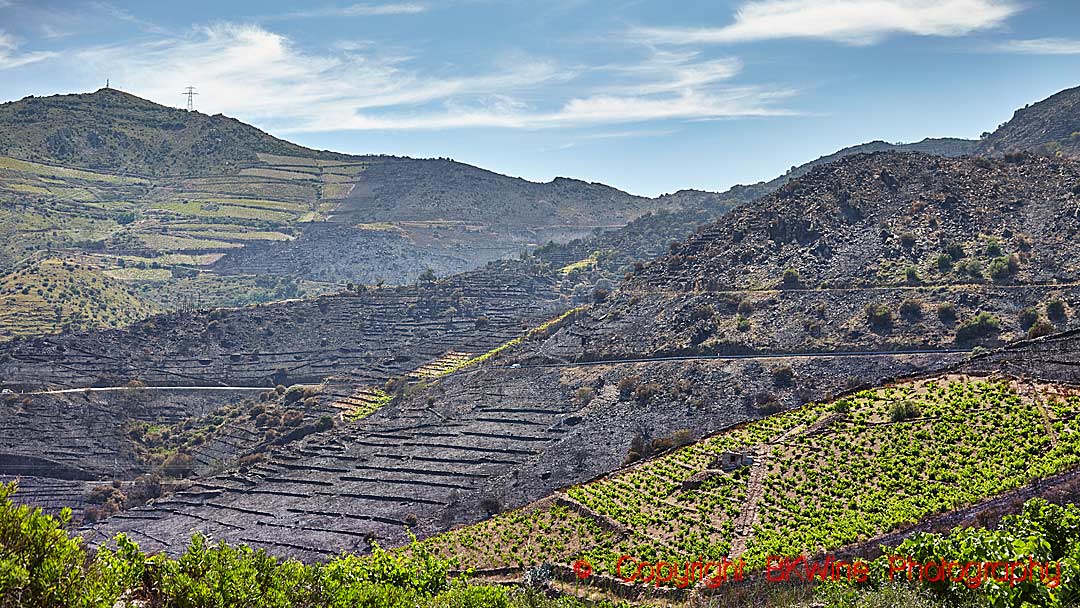
The risk of forest fires is, of course, extremely high. Vineyards are not particularly fire-prone; they can even be used as firebreaks (to put it bluntly). But of course, vineyards can also burn.

Even if the vineyard itself is not affected, the grapes can become smoke-tainted. It is a hotly (!) debated topic, smoke taint. In much the same way that the unique “garrigue” of Languedoc gives herbal aromas to the wine, smoke aromas can stick to the grape skins, it is believed, and give an off-flavour. Is that a real problem? Maybe, maybe not. California, southern France, Greece and Chile are just a few of the countries that have suffered from this.

The economic impact of forest fires can be huge.

Vineyards and other land damaged by wildfires in Roussillon, France
Vineyards and other land damaged by wildfires in Roussillon, France, copyright BKWine Photography

Working in the vineyard

Although you might think that the vines take care of themselves during the summer, it is not really that simple. There is a lot that needs to be done in the vineyard, both manually and with a tractor. Spraying, weeding, root clearance, trimming, repairs to the trellis, etc. This is not a problem for the vine, of course, but for the staff.

The harvest problem

If it is also (extra) hot during the harvest, it can lead to further problems. It is not very pleasant to work all day in forty-degree heat and sunshine doing the harvest.

It is also not good to bring in grapes with a temperature of 40–50 °C to the winery. This can lead to storming fermentations and instability. You can let the grapes rest in cold rooms before crushing. You can use dry ice in the tanks. And so on.

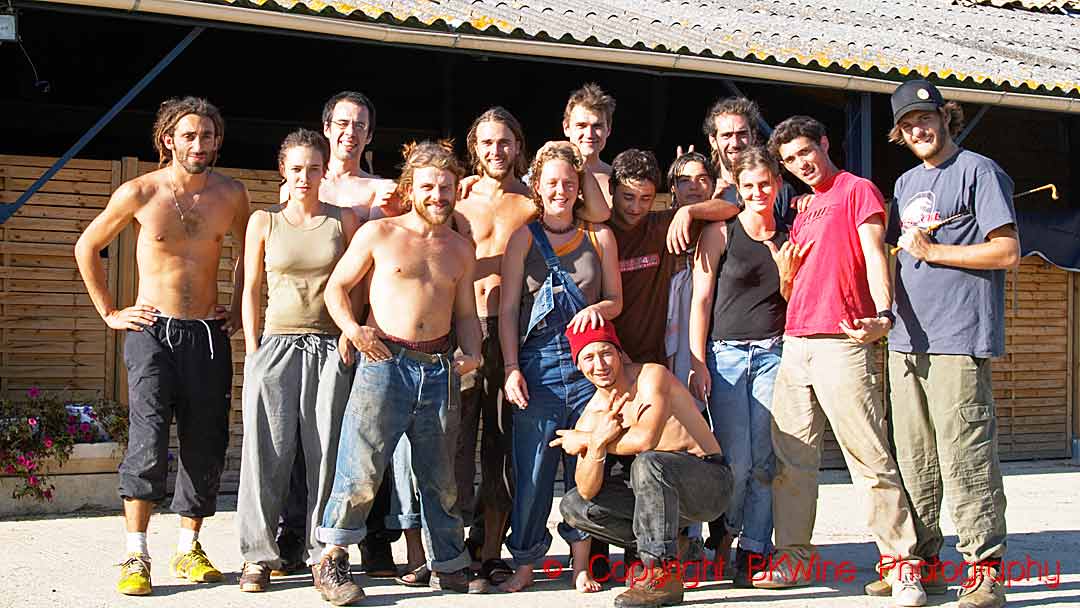
The harvest team at a Bordeaux with harvest finished (harvest supervisor far right...)
The harvest team at a Bordeaux with harvest finished (harvest supervisor far right...), copyright BKWine Photography

But this also has a cost, both in money and in climate impact. It takes a lot of energy to cool the grapes or produce the dry ice, as well as to keep the tanks at the appropriate temperature, which can lead to additional greenhouse gas emissions.

But perhaps more importantly, you can harvest early or at night. If you harvest manually, you can start as early as possible, maybe four o’clock, and then continue until lunchtime and not harvest in the afternoon.

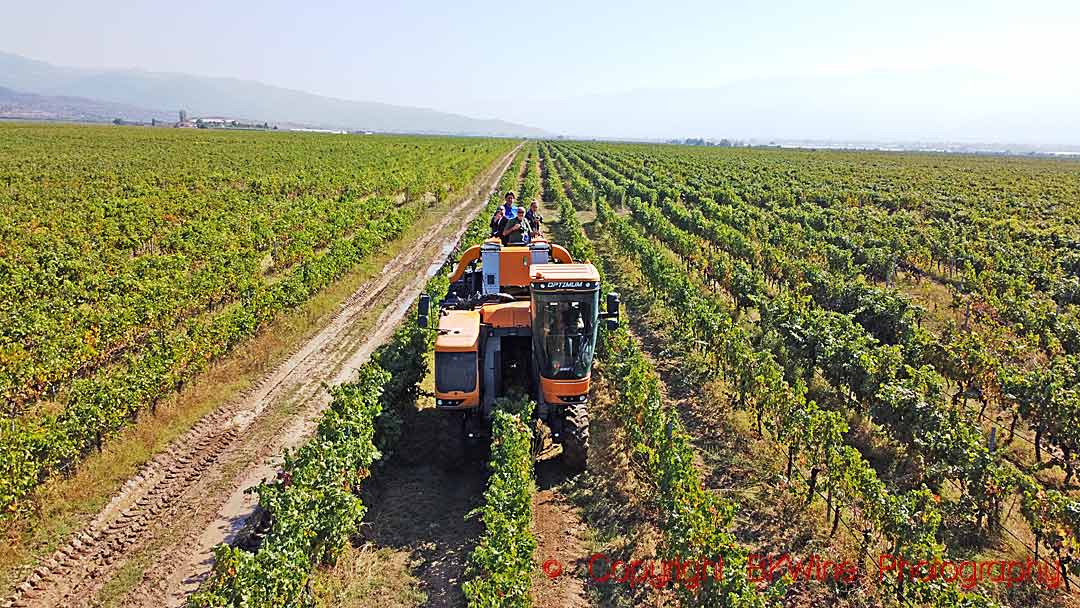
A big advantage of machine harvesting is that it is easy to do in the middle of the night. It is not as easy to get a harvest team out in the middle of the night. Then you get cool grapes that end up in your tanks.

Machine harvesting in North Macedonia
Machine harvesting in a vineyard in North Macedonia, copyright BKWine Photography

It is not just the heat: rain, drought, hail, frost…

The warm temperature, or rather, the heat, is just one of the weather problems that wine producers are struggling with. It seems that climate change is causing increasingly dramatic weather fluctuations.

At the end of such a heat wave as we now have, there are often violent storms, for example, which can lead to floods that sweep away entire vineyards. Or hail.

Hail, frost, heavy rain, heat, drought and so on… It seems to happen more often than before.

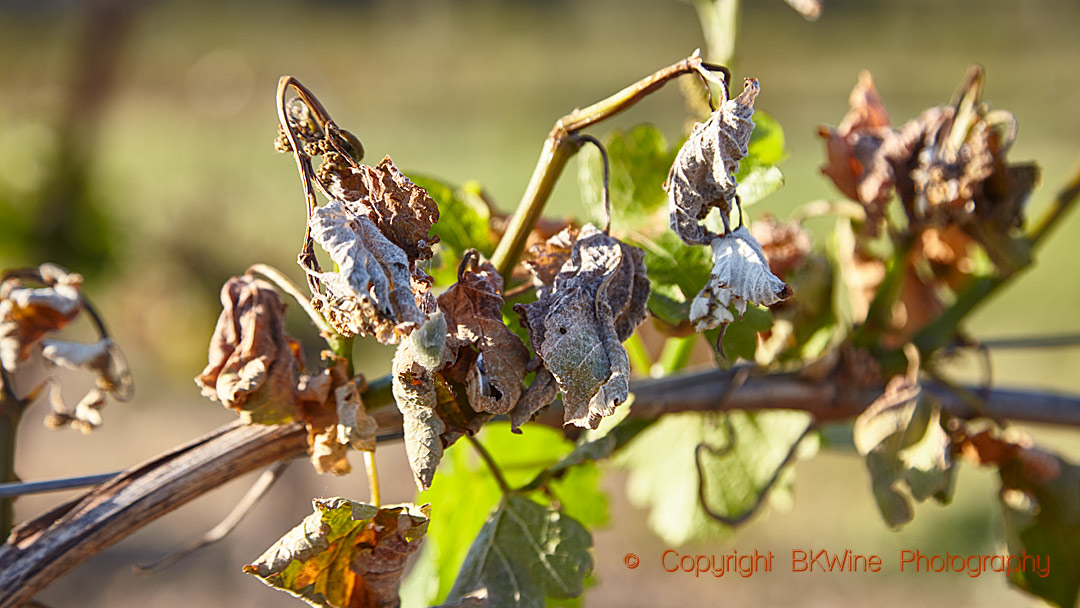
Frost damaged vines in springtime
Frost-damaged vines in springtime, copyright BKWine Photography

Different ways to fight

There are different ways to try to reduce the effects: some in the short term, others in the long term.

Careful work in the vineyard is, of course, important, as is monitoring the development and health of the vines. Perhaps use irrigation where necessary. Adjust pruning, for example, by building the canopy for better shade for the grapes.

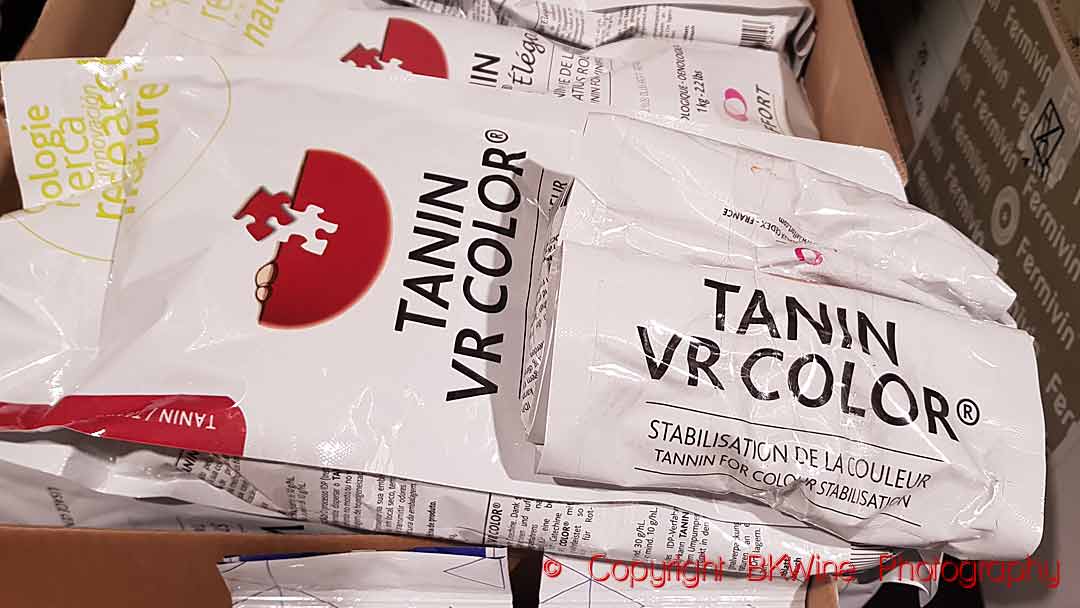
Various techniques in the winemaking during fermentation can be helpful. For example, if the must suffers from a lack of tannins or too little acidity, it can be compensated to some extent by adding oenological tannin or acidity. And so on.

In the longer term, it is a matter of planting in suitable locations with appropriate plant material. North instead of south-facing slopes. Higher altitudes. Allowing other grape varieties. In Bordeaux, for example, Touriga nacional, a Portuguese grape, has been allowed for experimental cultivation for a few years. Adjusting which rootstocks you use (some are more tolerant of drought). And so on.

Tanin VR color, oenological tannins for colour stabilisation
Tanin VR color, oenological tannins for colour stabilisation, copyright BKWine Photography

Is viticulture in England and Sweden the salvation?

Both England and Sweden have received considerable attention in recent years for the development and improvement of viticulture and wine production in these colder climates. Is this where we will find salvation for wine in the future?

Some of the wines I have tried, both from England and Sweden, have impressed with their quality, but despite that, the answer is “no”.

The first problem is scale. The world today has around 7,000,000 hectares of vineyards. Bordeaux has 100,000 ha. England has around 4,500 hectares, and Sweden has between 200 and 300 ha.

The second problem is perhaps more serious. A few years ago, I was interviewed by a BBC reporter about wine growing in Sweden. She told me that she had also spoken to a climate scientist, who said that if the climate changes so much that it becomes possible to have large-scale wine growing in Sweden – a change of perhaps about 2 C – then the world has far more serious problems to deal with globally than producing wine.

On the other hand, Sweden (and to some extent England) is a very interesting wine-growing country if you see it as a “laboratory”, a place where you experiment with alternative grape varieties, hybrids (piwi), for example, and cultivation methods that may be useful elsewhere.

Read more on these issues on BKWine Magazine:

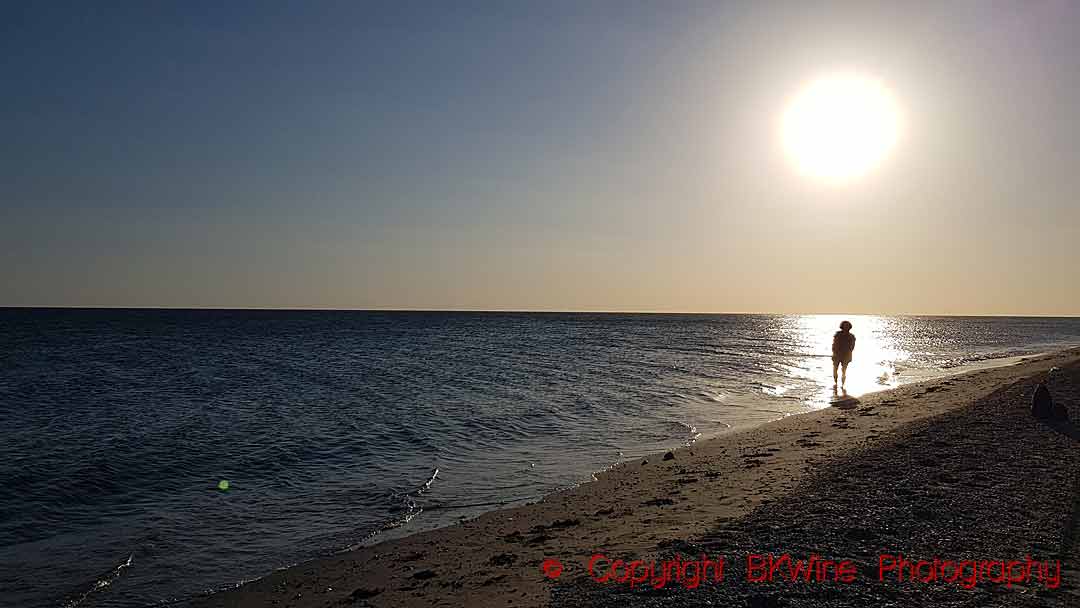
A lone person standing in the sun reflections along the sea on the beach
A lone person standing in the sun reflections along the sea on the beach, copyright BKWine Photography

Chose your language. Read the article in:

Author:

Author:

Share this post:

Leave a Reply

Your email address will not be published. Required fields are marked *

  Subscribe to comments:

Notify me of followup comments via e-mail. You can also subscribe without commenting.

SUBSCRIBE TO OUR NEWSLETTER!

25,000 subscribers get wine news every month. You too?