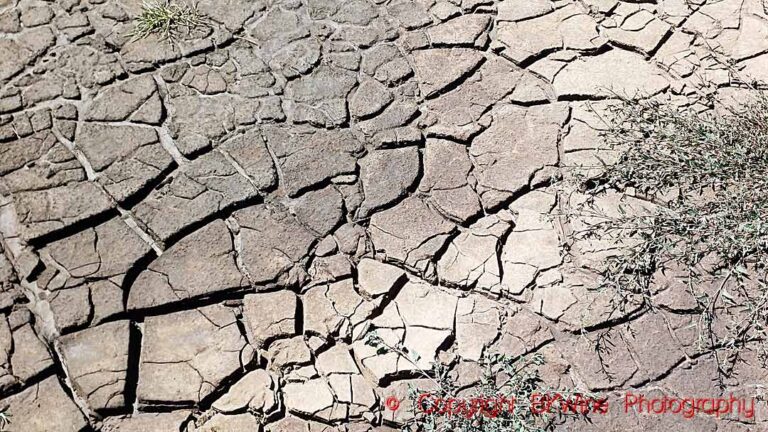
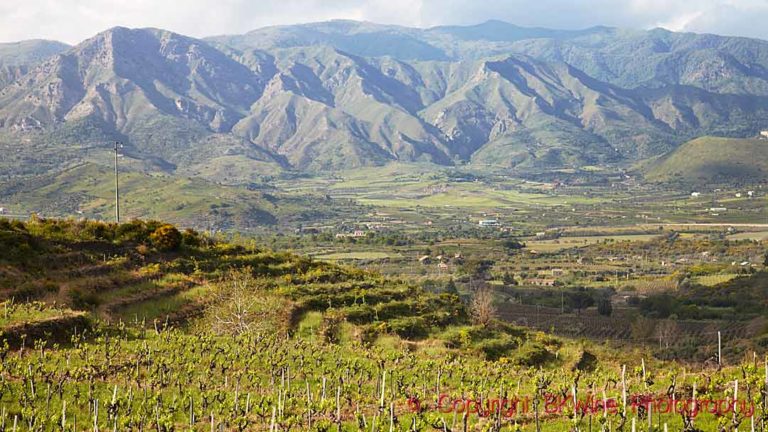
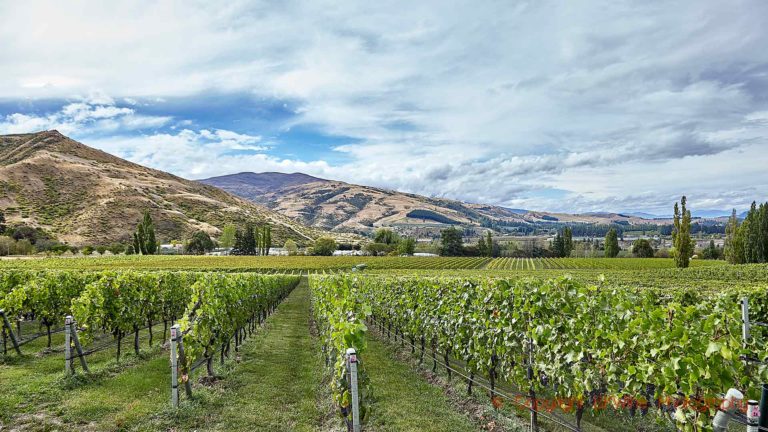
Several years ago, I spoke with a wine producer who was complaining about wine journalists. We were discussing a particular vintage that some journalists had written off as worthless before the grape must had even made it into the tank. It had been a difficult growing season, certainly, and perhaps yields would be somewhat lower. But in the end, it turned out to be a genuinely excellent vintage. But difficult to sell, the producer told me. Because of the journalists’ condemnation of the vintage, without having even tasted the wine.
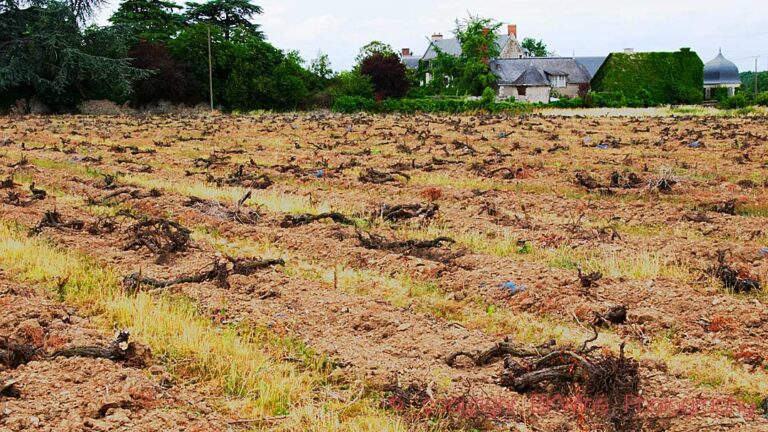
I thought about that the other day while listening to a radio program. The topic was this year’s harvest, climate change, the hot summer, and how vineyards are supposedly “moving north.”
–
Calling all wine lovers:
Do you know someone who might be interested in a wine tour?
Please tell them about BKWine Wine Tours! We do wine tours like no other. A leading wine tour operator since more than 20 years.
Have you already been on one of our tours? Tell your friends! Word-of-mouth is perhaps the most important way to spread the word of good wine, great food and exciting travel.
Thank you in advance for your help and support!
(If you have Swedish friends, please know that we have a separate, more extensive travel program in Swedish: BKWine Vinresor.)
–
Perhaps I am being picky, but I found myself getting hung up on some of the language used in the programme. In the introduction of the episode, the host stated clearly and confidently that Europe’s wine harvest is “the worst in a long time.” Almost exactly the same wording appeared in an article published by a newsletter on current events with the headline: “Worst Wine Harvest in 70 Years.”
Having recently visited several wine regions, spoken with producers here and there, and generally feeling well informed, I was somewhat puzzled. I had heard growers talk about the summer heatwaves and the challenges of the season, certainly, but also about the magnificent quality of both the grapes and the wines, which by now had, in most cases, already finished fermentation. (Harvest has been unusually early everywhere, so much of the wine is already made.)
What they also told me, however, was that harvest volumes were often lower than normal. Not always, though. Some producers had perfectly good yields.
I realised that when the journalists referred to “the worst in a long time,” they were probably talking about “the lowest volume in a long time.” I cannot be entirely sure, of course. More people than one might think automatically associate a difficult growing season with lower quality. If you are only half listening to the programme, or if you switch it off after the introduction, what are you likely to remember? Simply that 2026 is a bad vintage. And that is completely wrong.
The next speaker in the program was a climate reporter and now it gets even worse. Admittedly, she mentions that production volumes in France are down by 6%, but then undermines that clarification by describing 2026, like the host before her, as “one of the worst harvests in 30 years,” before adding that 2025 was also “a really bad year” in France.
I realise that I may be splitting hairs. I genuinely believe that both of them are talking about low yields rather than poor quality.
But do the listeners know that?
Words matter. What we say has consequences. We must also think about how words are received, about what the audience actually hears or reads. That ought to be one of the fundamental rules of journalism.
“Bad” and “worst” are loaded terms. In every context, they carry negative connotations. If you hear a vintage described as the worst in 30 years, your immediate assumption is that the quality was poor. That is unfair to 2025. It was a year of small harvests, but in the overwhelming majority of cases one of outstanding quality. We know that now that many of the wines are already available for tasting, albeit still young.
And 2026? To describe the year in those terms is to mislead listeners and readers. It is also unfair to the producers who spent the entire summer battling difficult conditions and still manage to produce something far better than anyone had expected, only to hear the result dismissed on the radio and in newspaper articles.
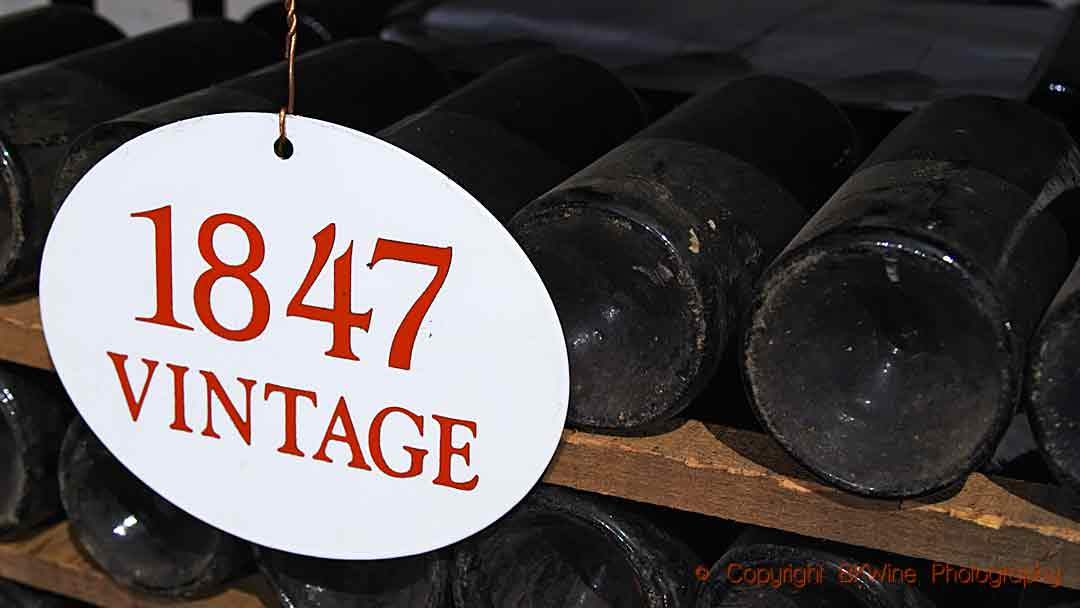
In reality, we have largely stopped talking about “bad vintages.” Or at least we should have. Styles vary from year to year. Some vintages are lighter, others fuller-bodied. Some produce wines with lower alcohol levels; others, higher. Some years bring large crops, others smaller ones. That is the very charm of wine. Bordeaux would not be Bordeaux without vintage variation. How interesting would vertical tastings be if every year tasted exactly the same? My most recent trip to Bordeaux would certainly have been far less exciting. Over the course of the tour, we tasted every vintage from 2000 to 2025 except seven of them. All different. All delicious.
In any case, we have not really had truly bad vintages for fifty years. Perhaps not even then. 1972 was a legendarily difficult year, but when we opened our last bottle a decade or so ago, from a modest “petit château”, it was excellent. Old, yes. But thoroughly enjoyable.
Wine tours
Focus this month:
New Zealand
The extraordinary adventure in one of the youngest wine countries
A total road-trip, gastronomic, vinous adventure across breathtaking landscapes, blending meetings with the pioneers of the country’s wine industry, private wine tastings of international top-level sauvignon, pinot, cabernet and much more. And immersive cultural experiences, a private dinner with a Māori family to a stunning glacial lake excursion and tea with the Doonan family. All together with Britt and Per of BKWine.
More info and book here:
And also in winter (only a few places remaining):
- Chile-Argentina, in January 2027
Fully booked now, sorry:
- South Africa, in February 2027
More info on our wine tours here. “World’s Top Wine Tours“. Tours led by the people who know wine and who have an unrivalled experience of wine and wine tours.
Travel in wine regions with someone you trust.
Enjoy the Brief!
Britt & Per
Wine editors to the national encyclopedia, Forbes.com contributors, award-winning wine book authors, wine tour advisors to the UN and national wine organisations, wine judges … and, above all, passionate wine travellers.
If you appreciate what we do, you can help us: Tell your friends about the Brief or send it to them.
Like us and follow us on social media:
BKWine Magazine on Facebook | Wine Tours on Facebook
Twitter | Instagram | Linkedin | YouTube