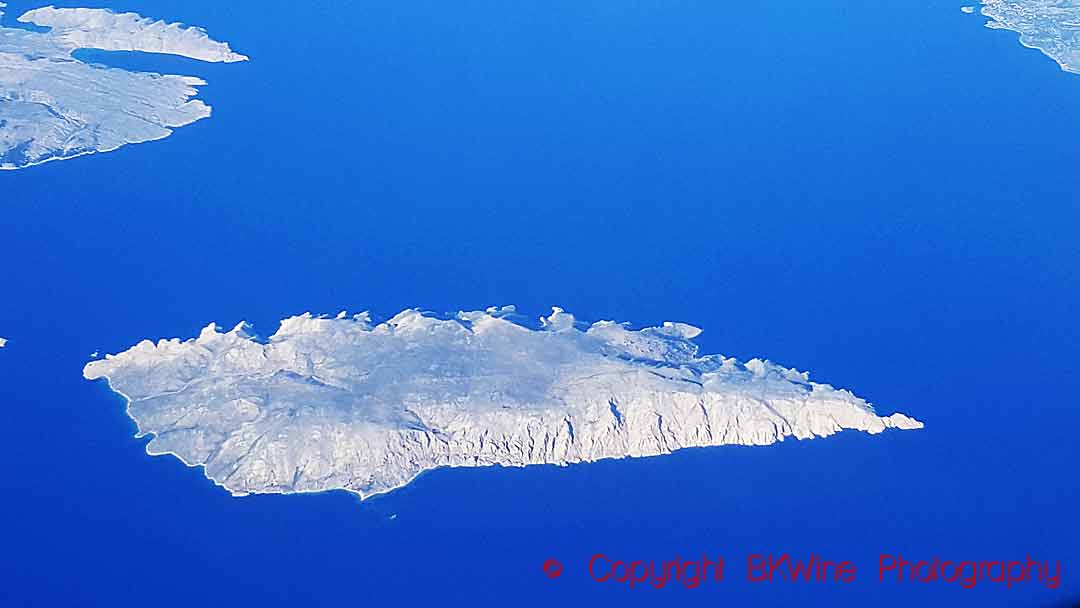
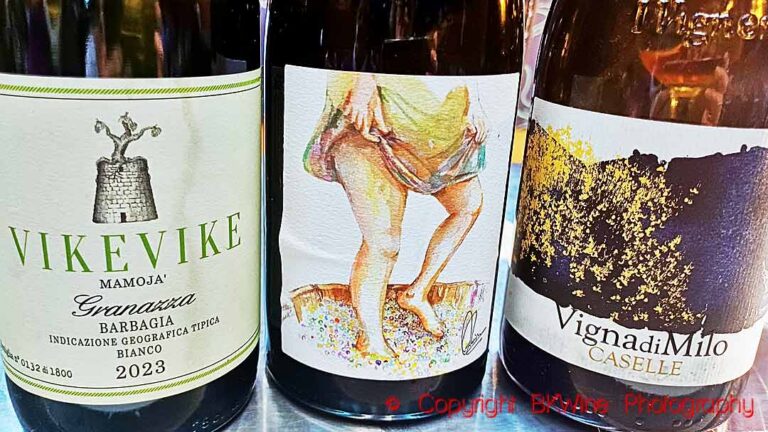
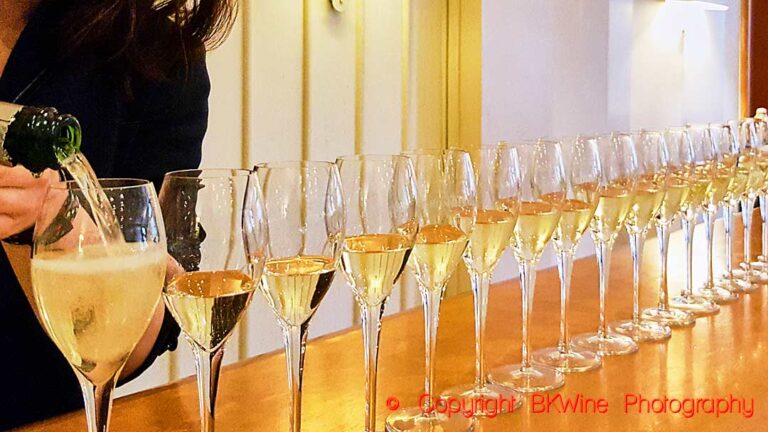
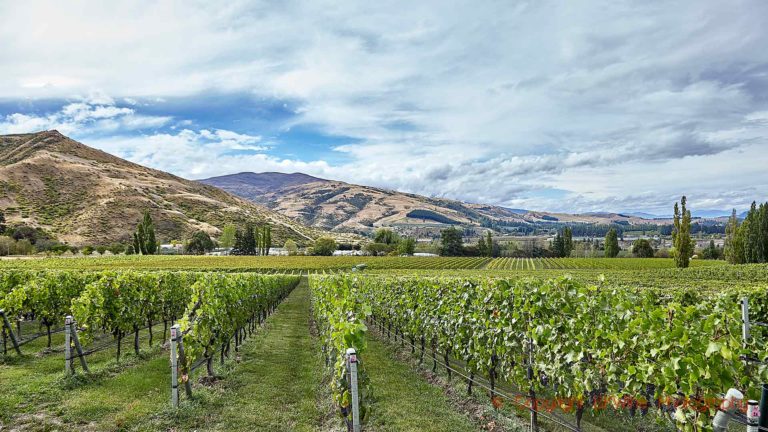
In June, I attended the Island Wines Summit Tenerife 2026, a conference designed to shine a spotlight on wines made on islands. The event attracted many exciting winegrowers from islands, mainly in the Mediterranean and the Atlantic. But what do wines from islands actually have in common, if anything? I asked myself that question before I left. And I got answers, some expected, others more surprising.
Trying to identify common denominators for wines from different geographical places is popular these days. It’s a way of marketing wines together as a group, with similar character or some other shared trait. The concept of volcanic wines has been very successful. Could island wines achieve the same? I think so. And they may even have more in common than wines from volcanic soils, which is a rather scattered category.
Originally published on Forbes.com, this article is republished here in an expanded form with additional context, content, updates, and editorial insights relevant to BKWine Magazine readers and other wine-lovers.
So, I was excited to take part in the Island Wines Summit 2026 on Tenerife earlier this summer. But do wines from islands really share anything? Apart from the obvious fact that they are surrounded by water. This may seem self‑evident, but it is no less important for that.
““An island faces very different realities, not least because of the isolation”, said Pascaline Lepeltier, influential sommelier and wine buyer in New York (now at the well‑known restaurant Chambers) and one of the speakers at the conference.
How did it all begin?
For Pascaline, island wines are already a concept. “Yes,” she says, “from my perspective as a wine buyer in New York, it’s already a very successful one. People understand it. It’s easy to sell wines under this category.”
But the category has only existed for 25 years, she adds. So how did it suddenly appear?
In 1816, André Jullien, a pioneering French wine writer, published a book about the world’s vineyards. Even then he wrote about Sicily, various Greek islands, Cape Verde, the Azores and Madeira. But he did not describe them as an “island category.”
We have to jump forward to the early 2000s for the birth of the specific island‑wine concept, says Pascaline, driven by traditional media, social media and wine tourism. The Mediterranean lifestyle and Mediterranean diet gained traction. Nothing looked as beautiful on Instagram as the Greek island of Santorini, and in the process, people discovered the magnificent assyrtiko grape. Wine writers began writing about “The New Spain,” including the wines from the Canary Islands.
Then, 10–15 years ago, the concept of volcanic wines took shape. Suddenly everyone was talking about Sicily and especially Etna. Frank Cornelissen, one of Etna’s icons, visited the USA. “He did a long tour across the country; it was a huge success. He was a catalyst,” says Pascaline.
At the same time, a growing interest among wine enthusiasts and sommeliers in niche wines (and many of these island wines are very much niche wines) and in unknown, indigenous grape varieties helped launch the island‑wine category. Among the new generation of island winemakers, a high proportion work organically, and some make natural wine. This helped too. Island wines ticked all the boxes.

Isolation brings advantages
Pascaline spoke about isolation, and in the wine world it can actually have several significant effects: phylloxera may never have reached the area, for example. Several wine islands today are free from phylloxera. They also have a high proportion of old vines, some of them, like in northern Tenerife, more than 100 years old and some probably much older. Naturally, Tenerife would lose a great deal if phylloxera suddenly appeared. It actually did last year, in an abandoned vineyard. But fortunately, it did not spread further.
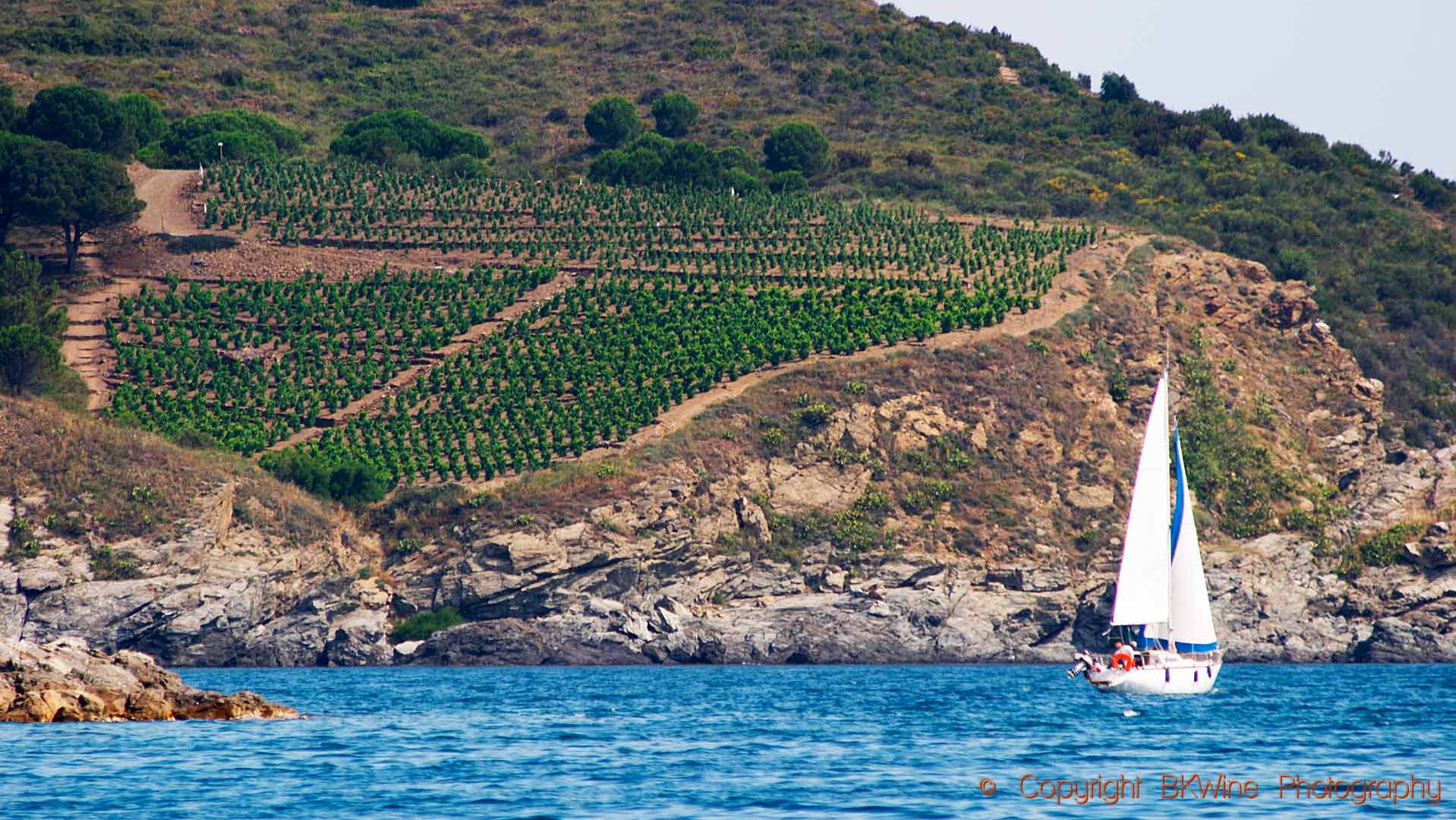
Being an island, regardless of the general climate, often means strong winds. This can be an advantage because it dries up rain and moisture, reducing the need for spraying against disease. However, you may need to adapt your pruning system to protect the vines from harsh winds and sometimes the burning sun. One example is the “basket pruning” on Santorini. If it is very hot and windy, the grapes shrivel, which can mean a loss in quantity but a gain in concentration.
The appeal of indigenous grape varieties
Isolation can also make it easier to preserve local grape varieties. The wines we tasted during the conference showed an incredible diversity of grape varieties; I’m sure most of us had never heard of even half of them. Grapes with a long history in a place often adapt well to that place, so it is ideal to continue growing them. But many of these varieties have fallen victim to fashion or to the fact that they give too low yields, too low alcohol, not enough colour, etc. Some have almost disappeared.
But for today’s island winemakers, using indigenous grapes is a conscious choice, something they are proud of and believe in. They seek them out and revive them if they are on the verge of extinction. I found this enthusiasm among winemakers from all the islands represented at the conference. These varieties are also often a more sustainable choice than “imported” ones, though of course that is not a given. Yiannis Kyriakidis of Vouni Panayia on Cyprus says he wants to promote the island’s old varieties. “We must preserve the knowledge of these old varieties.”
How do the wines taste?
What about the character of the wines, are there similarities? I found freshness and extraordinary acidity in almost all the wines I tasted. The white wines, which tended to dominate, were fresh, dry and what I would call structure‑ or texture‑driven wines, with high acidity and a lovely mouthfeel. The red wines had a certain lightness and always freshness and juicy fruit. Both whites and reds were mostly low in alcohol, 11–12.5%. So yes, the island‑wine concept Pascaline talked about works. When you taste a wine like this from an island, you want to explore more islands.
If you want to know more about the winegrowers and the wines, don’t miss Part 2, with wines and producers from the islands of the Mediterranean and the Atlantic.
– – – – – – –
More on Island wines on BKWine Magazine:
Cyprus
- Commandaria, a legendary wine of Cyprus, interpreted by Karseras Family Winery | Per on Forbes
- Sophocles Vlassides, the Kandinsky of Winemaking, at the Vlassides Winery, Cyprus
- The legendary crusaders’ wine from Cyprus | Britt on Forbes
Tenerife, Canary Island
Madeira
Sicily
- Characterful wines from the Etna volcano in Sicily
- Tenuta delle Terre Nere from Sicily leaves a lasting impression of beauty and power
- Donnafugata wines from Mount Etna, a very particular place in Sicily | Britt on Forbes
Sardinia
- Exciting Sardinian wines from carignano and other grapes with Spanish roots | Britt on Forbes
- Tenute Ólbios, wines from Sardinia with plenty of character | Britt on Forbes
- Wine from Sardinia
Mallorca