Finally, the spotlight is on Côte des Bar, the southern Champagne region, with an amazing array of grower champagnes | Britt on Forbes

Share / Like:

The Côte des Bar, the southernmost part of Champagne, is a gold mine for those looking for exciting grower champagnes. The district is a bit isolated from the rest of Champagne. The city of Troyes is nearby, as is the border with Burgundy.  It was previously not talked about much. But 24% of the total champagne vineyard area is here, so it is not a negligible part of the appellation. As interest in grower champagnes has increased, the Côte des Bar has come into the spotlight. These interesting growers are well worth the attention.

Originally published on Forbes.com, this article is republished here in an expanded form with additional context, content, updates, and editorial insights relevant to BKWine Magazine readers and other wine-lovers.

Côte de Bars is 150 kilometres south of Epernay in a pretty landscape. Two rivers, the Aube and the Seine, flow through it. The two largest towns are Bar-sur-Seine and Bar-sur-Aube. Aube is also the name of the département and an alternative name for Côte des Bar. Sometimes I have the impression that it is more used than Côte des Bar.

A village in the Cote des Bar, Aube, region in Champagne
A village in the Cote des Bar, Aube, region in Champagne, copyright BKWine Photography

Champagne quick facts:

The Champagne wine region encompasses some 33,000 hectares. There is only one single appellation for the region (as opposed to most other wine regions in France that have sub-regional appellations).There are, however, four main sub-regions, although they are not separate appellations: Montagne de Reims (~10,000 ha), Vallée de la Marne (8,000 ha), Côte des Blancs (~3,300 ha) and in the south Côte des Bar (~8000 ha).

There are three main grape varieties, each accounting for roughly around a third of the plantings: chardonnay, pinot noir and pinot meunier (which actually is a clone of pinot noir). Read our chardonnay grape profile here, and the pinot noir grape profile here. In addition there are six other varieties permitted but planted very little, so in total nine champagne grape varieties.

There are three different types of producers: the “houses”, the co-operatives, and the independent growers. The “houses” are the world-famous brands that often make many millions of bottles. The co-operatives are also very large and sometimes make wine under their own name and sometimes white-label. The independent growers is the most interesting bunch with more personality and often better value.

We have written an internationally award-winning book about the Champagne region and grower champagnes.

You can read more on Champagne in this article: Basic facts and figures on Champagne.

The Burgundian influence is evident in the village buildings, not least in picturesque Essoyes, where Pierre-Auguste Renoir, the painter, spent many summers. Another pretty village is Les Riceys, with three churches, all of which are classified as historical monuments. However, its claim to fame is not the churches but the fact that they make here a famous rosé wine, Rosé de Riceys. This is a still wine with its own appellation (but made in Champagne). Within the village of Les Riceys there are actually three different appellations: Champagne, Coteaux Champenois and Rosé des Riceys.

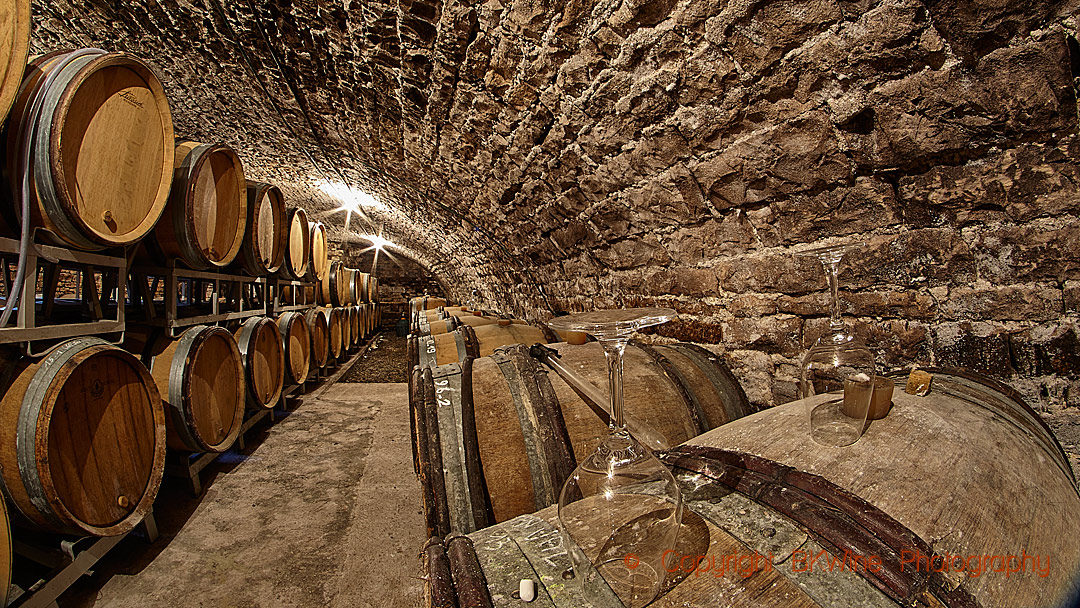
Old oak barrels for ageing wine in a cellar Champagne
Old oak barrels for ageing wine in a cellar in Cote des Bar, Champagne, copyright BKWine Photography

Burgundy influence is also rife among the winemakers. Many use long barrel ageing for the still wine before bottling, they like full-bodied champagnes, they like champagnes to be considered as a wine and to be drunk in real wine glasses, not the narrow flute glass, which shows the bubbles but not the aromas. And they definitely like their champagnes to be enjoyed with food.  Vincent Couche, who makes his superb champagnes in the village of Buxeuil, suggests pouring them into a carafe and serving them around 12-14 °C, much like a white Burgundy. 

I recently met Thomas Cheurlin, a winemaker based in the village of Celles-sur-Ource. He comes from a family of champagne growers, and in 2025, he launched his new brand, Champagne Vaucelle. Thomas points out the differences between Côte des Bar and the more northern part of Champagne (Montagne de Reims, Côte des Blancs…). “The climate here is a little more continental. It is warmer in the summer, and our grapes ripen better. And thanks to ripe grapes, we can use a lower dosage. Also, the soil is different, with more clay.”

Thomas Cheurlin of Champagne Vaucelle, Cote des Bar
Thomas Cheurlin of Champagne Vaucelle, Cote des Bar, copyright BKWine Photography

The limestone-mixed clay that dominates the soils in Côte des Bar is actually the same Kimmeridge clay found in Chablis, in northern Burgundy. “It is different to the chalk soil further north, but in no way less excellent”, says Jérôme Coessens, another one of the talented growers down here.

Because of differences in soil and climate, and because none of the big, famous houses is based here (they are almost all in Reims or Epernay), Côte des Bars has had to struggle to gain attention. The distance from the Reims/Epernay area means that most wine tourists don’t bother to come down here. Not to mention that in 1911, a time of unrest, it was decided that the region would be completely excluded from Champagne. The producers in Reims and Epernay didn’t mind as they considered the region to be almost in Burgundy anyway.

The Côte des Bar growers themselves minded, though. After multiple protests, a compromise was made.  Aube became a “Champagne 2ème zone”, a kind of second-class champagne—maybe not the most attractive attribute. However, as the First World War approached, attention shifted to more pressing matters. When the borders were finally drawn up in 1927, Côte des Bar was included as a full-fledged Champagne member. Which I think everyone is happy about today.

Côte des Bars has over 8,000 hectares of vines, one quarter of the Champagne total, and most of it is pinot noir grown on well-exposed slopes. Half of all pinot noir in Champagne is actually grown in the Côte des Bar, and the big Champagne houses have always taken many of their grapes from here. The problems of the past are probably forgotten today in Champagne, even though Jérôme Coessens told me a few years ago that “despite having 24 % of the surface in Champagne, we are still a bit considered as the poor relatives”.

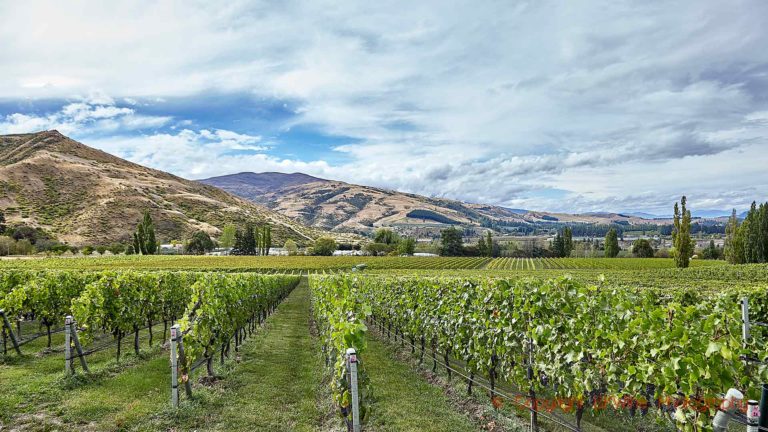
Vineyard landscape in Cote des Bar, Champagne
Vineyard landscape in Cote des Bar, Champagne, copyright BKWine Photography

That may well be, and given the prestige that grand cru and premier cru villages still have in Champagne – and of which Côte des Bar of course has none, as they were second-class champagne at the time when these were introduced in 1919 – I don’t think it’s impossible that some people still hold that opinion. Another reason not to pay too much attention to these designations.

Anyway, the success of the producers down here speaks for itself.  

Champagne Vaucelle, Thomas Cheurlin’s project, is still new but very promising, with cuvées such as Terre Nacrée Blanc de blancs and Terre Natale Blanc de Noirs. One of Thomas’ champagnes that especially caught my attention was Terre de Nuances, made from 100% pinot blanc, a grape variety sometimes called Blanc Vrai down here. But, depending on the year, says Thomas, the grape variety could change. He is betting on innovation for this project and wants to propose something new every year.

Pinot blanc is one of four historically important grape varieties in Champagne that now remains only in tiny quantities, having been ousted by pinot noir, chardonnay and pinot meunier. The other three are arbanne, petit meslier and pinot gris, which Thomas calls by its old name, fromenteau. “It is a cousin of pinot gris”, he says. He wants to plant all of these three varieties as part of his plan to propose new and unusual champagnes. 

A village with a bakery, river and bridge in Cote des Bar, Champagne
A village with a bakery, river and bridge in Cote des Bar, Champagne, copyright BKWine Photography

Actually, the surface area of these rare grapes in Champagne is growing as producers want to diversify, offer something different, or maybe consider them better adapted to new climate conditions.  Many Côte des Bar producers use them in blends or as single grape cuvées.

More favourites from Côte des Bar

Champagne Fleury, Courtheron. Fleury was one of the pioneers who put Côte des Bar on the map as early as the 1970s. Fleury is also a pioneer in organic viticulture in Champagne. Since 2009, Fleury has been making the excellent Notes Blanches Brut Nature, a 100 % pinot blanc.

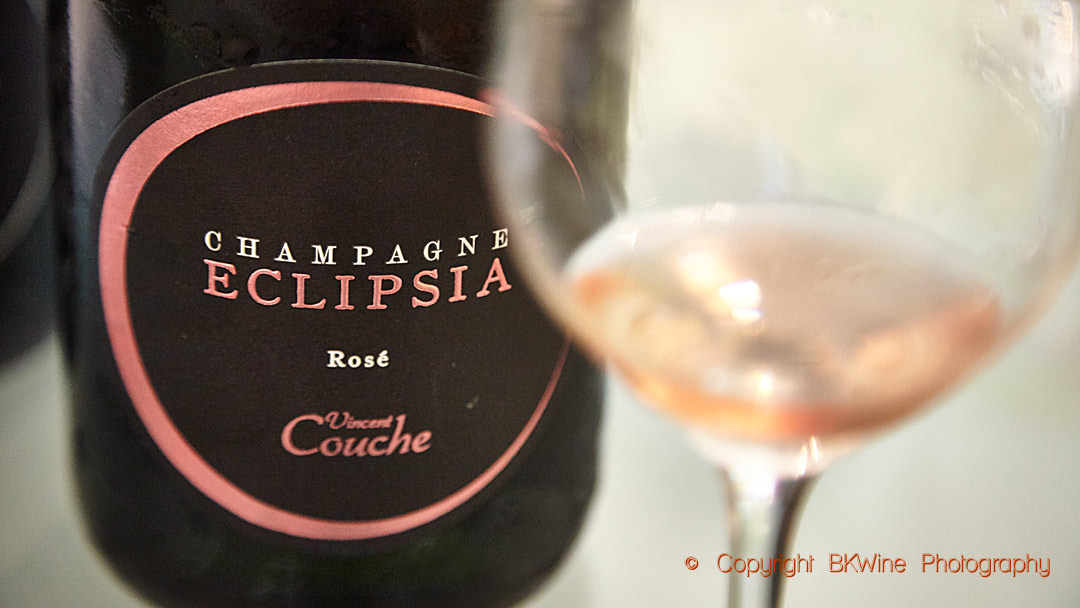
Champagne Vincent Couche, Buxeuil. Vincent went to Burgundy for his winemaking training, and he draws much of his inspiration from there as well. He likes the softness and roundness he gets from ripe grapes. Powerful champagnes with long ageing on the lees. Low dosage, biodynamic certified.

Vincent Couche Eclipsia Champagne
Vincent Couche Eclipsia Champagne, copyright BKWine Photography

Champagne Vouette & Sorbée, Buxière-sur-Arce. Champagnes with character from one of the stars in the natural wine movement. The five-hectare property has been certified organic and biodynamic since 1998. The still wine stays 10 months in oak barrels before bottling. Low levels of sulphur. The winemaker Bertrand Gautherot’s champagnes are always from a single year (although not necessarily vintage champagnes).

Champagne Jérôme Coessens, Ville-sur-Arce. Jérôme has a superbly situated vineyard called Largillier, just over 3 hectares in size, planted with pinot noir. From this vineyard, he makes five different champagnes. In 2021, he took over a vineyard in Les Riceys, which has expanded his production.

Champagne Coessens, lieu dit Largillier, Cote des Bar
Champagne Coessens, lieu dit Largillier, Cote des Bar, copyright BKWine Photography

Champagne Olivier Horiot, Les Riceys. Expressive champagnes from an organic estate, often without any added dosage (sugar). Champagnes with great freshness combined with richness and mouthfeel. Olivier also produces an interesting and original range of vintage champagnes, vinified and aged in oak barrels for one year before bottling.

Champagne Rémy Massin & Fils, Ville-sur-Arce. Classic style with a toasty and crispy character. Member of the prestigious growers’ association Le Club Trésors de Champagne. Their Special Club cuvée is made with 100 % pinot blanc. 

Champagne Pierre Gerbais, Celles-sur-Ource. This top-quality family estate of 18 hectares is now run with ambition and passion by Aurélien Gerbais.

Champagne Drappier, Urville. Côte des Bar does have a major house, and it is this excellent family-owned estate. Drappier produces close to 2 million bottles and is one of the well-known names in the Côte des Bar. One memorable cuvée is Quattuor Blanc de Quatre Blancs, a blend of 25% arbanne, 25% petit meslier, 25% pinot blanc and 25% chardonnay.

Harvested grapes, pinot noir, in the Cote des Bar, Aube, Champagne
Harvested grapes, pinot noir, in the Cote des Bar, Aube, Champagne, copyright BKWine Photography

Chassenay-d’Arce, Ville-sur-Arce. A small and ambitious cooperative with 30 families in 12 villages for a total of 315 hectares of vineyards. Pinot blanc is one of the house’s signature grapes.

The picture above is from the harvest at Chassenay d’Arce.

Côte des Bar at a glimpse

Côte des Bar is 2-2.5 hours south west of Paris by car, or 2 hours south of Reims in Champagne. You can take a train to Troyes, the only big town (62,000 inhabitants), but you will need a car to reach the wine producers. If you want to continue south to Burgundy it’s another hour to reach Chablis.

The main towns are Bar-sur-Seine, Bar-sur-Aube, Les Riceys, and Essoyes.

Côte des Bar is a beautiful rural landscape with charming small villages. It has a few significant tourist attractions: the three churches in Les Riceys, Renoir’s family home, a Regional Natural Park and of course all the champagne producers.

Travel

The best way to discover the true soul of champagne and how it pairs with gastronomy is in Champagne. Explore Champagne on a wine tour to Champagne combined with Burgundy with BKWine.

Travel to the world’s wine regions with the wine experts and the wine travel specialist.

Wine tours that give you insight. BKWine wine tours.

Chose your language. Read the article in:

Author:

Author:

Share this post:

Leave a Reply

Your email address will not be published. Required fields are marked *

  Subscribe to comments:

Notify me of followup comments via e-mail. You can also subscribe without commenting.

SUBSCRIBE TO OUR NEWSLETTER!

25,000 subscribers get wine news every month. You too?