Voltis, Champagne’s ninth grape, finally makes wine

Share / Like:

Share / Like:

In 2022, Voltis became the first fungus-resistant grape in France to be integrated (with restrictions) into the regulations for an appellation wine. The appellation was Champagne. 

Now, in 2025, three years later, the first real harvest has taken place.

In 2032, a decision will be made on whether the grape will be officially allowed within the regulatory framework. Until then, those who wish to cultivate it may do so on up to 5% of their vineyard area and use it in blends up to 10%. Voltis is currently planted on a very small area, just under 10 hectares.

Voltis is a hybrid, developed to be resistant to fungal diseases, especially downy mildew and powdery mildew. Naturally, there is a lot of scepticism among growers, and it will take time before anyone voluntarily gives up traditional Champagne grapes to plant voltis. But growing voltis means less spraying, which is important if you are thinking sustainably. The grape can be interesting to plant near residential areas where spraying is legally restricted and will become even more so (this will probably be the main use of voltis) or in places that are particularly affected by these diseases.

We have talked to a number of champagne producers and asked them about voltis. None has been enthusiastic. Perhaps that is because they don’t have vineyards close to where people live. One producer we talked to – happened to run into walking in the vineyards – were pulling up vines in order to replant voltis. However, this was just around the lighthouse Verzenay, a place that has restrictions on spraying. He explained to me that he was not doing this because he was enthusiastic about voltis but because it was the only way for him to continue growing wine in that location, a ZNT, a zone with restricted spraying. 

Champagne’s ninth grape?

Yes, there are currently eight grape varieties fully permitted in Champagne, plus a ninth:

  1. chardonnay,
  2. pinot noir,
  3. pinot meunier, actually a mutation of pinot noir but usually recognised as a separate variety due to its different characteristics
  4. petit meslier,
  5. arbanne,
  6. pinot blanc,
  7. pinot gris, and the newest addition,
  8. chardonnay rose, a mutation of chardonnay with pink-coloured grapes, recognized as a distinct variety precisely because of the colour difference.
  9. Plus voltis, currently only as an experiment.

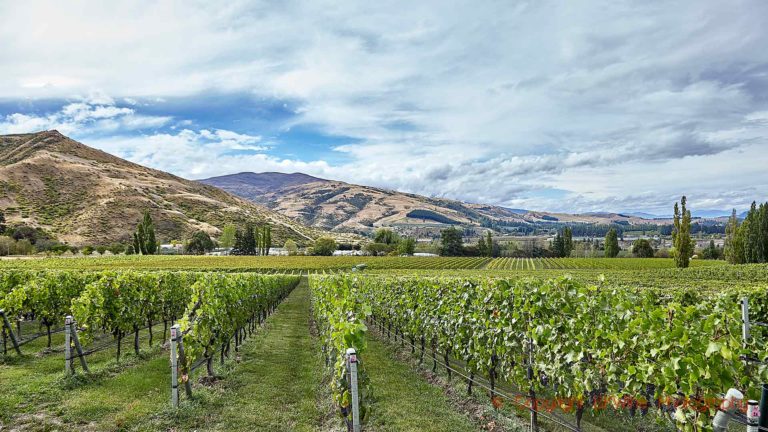
(Picture below: a location where voltis is planted.)

Travel: Come on a wine tour to Champagne with BKWine. (PS: We’ve written a prize-winning book on Champagne.)

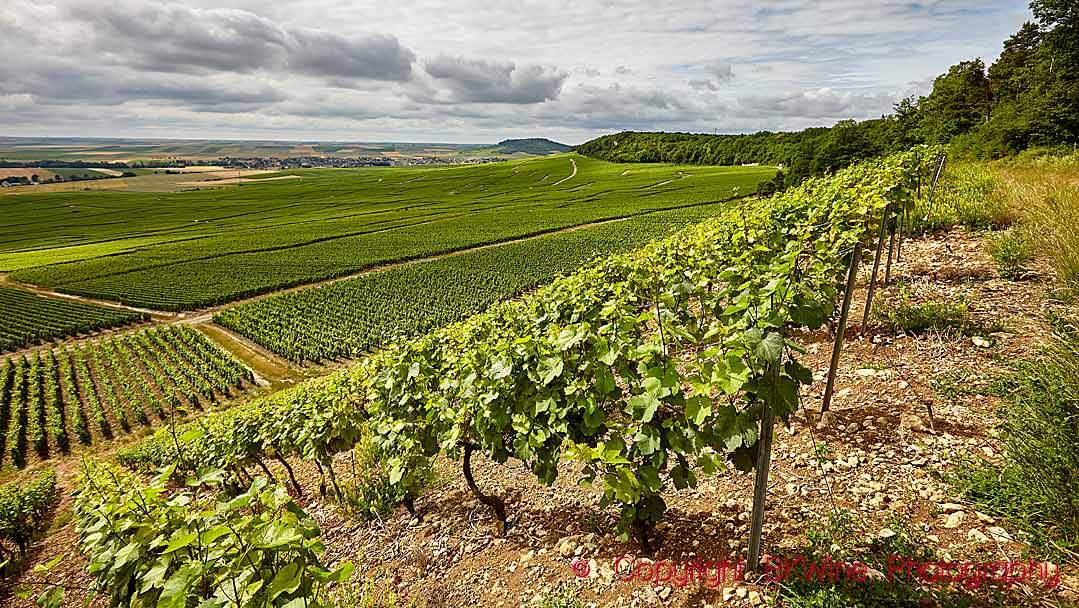
Steep chardonnay vineyards in Vertus, historically labelled "premier cru", in the Côte des Blancs, Champagne
Steep chardonnay vineyards in Vertus, historically labelled "premier cru", in the Côte des Blancs, Champagne, copyright BKWine Photography
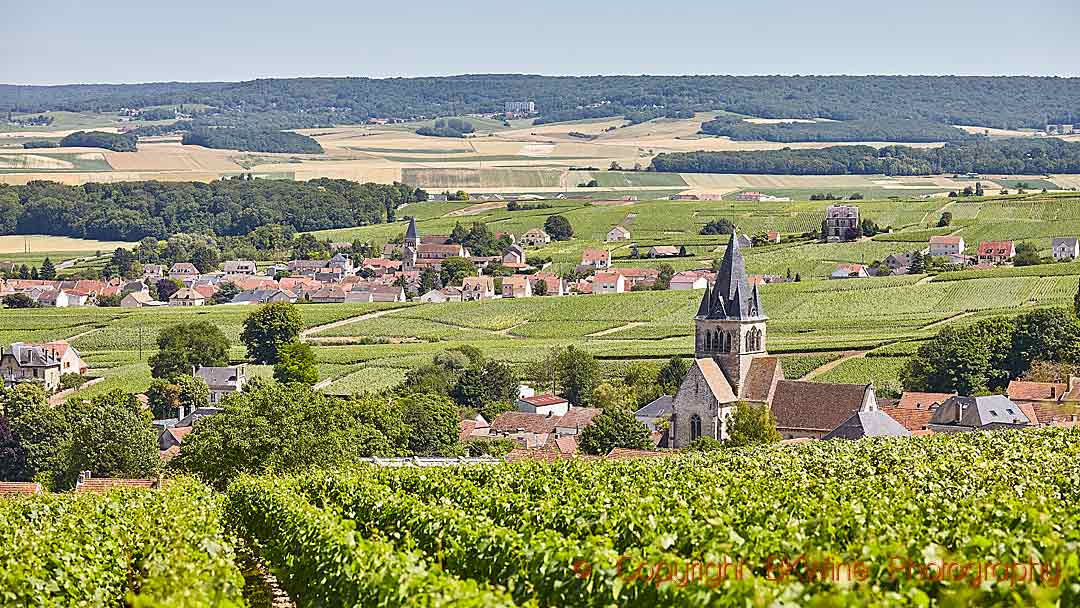
Vineyards and a village in the Champagne region in France
Vineyards and a village in the Champagne region in France, copyright BKWine Photography
Chateau de Boursault in Vallée de la Marne, Champagne
Chateau de Boursault in Vallée de la Marne, Champagne, copyright BKWine Photography
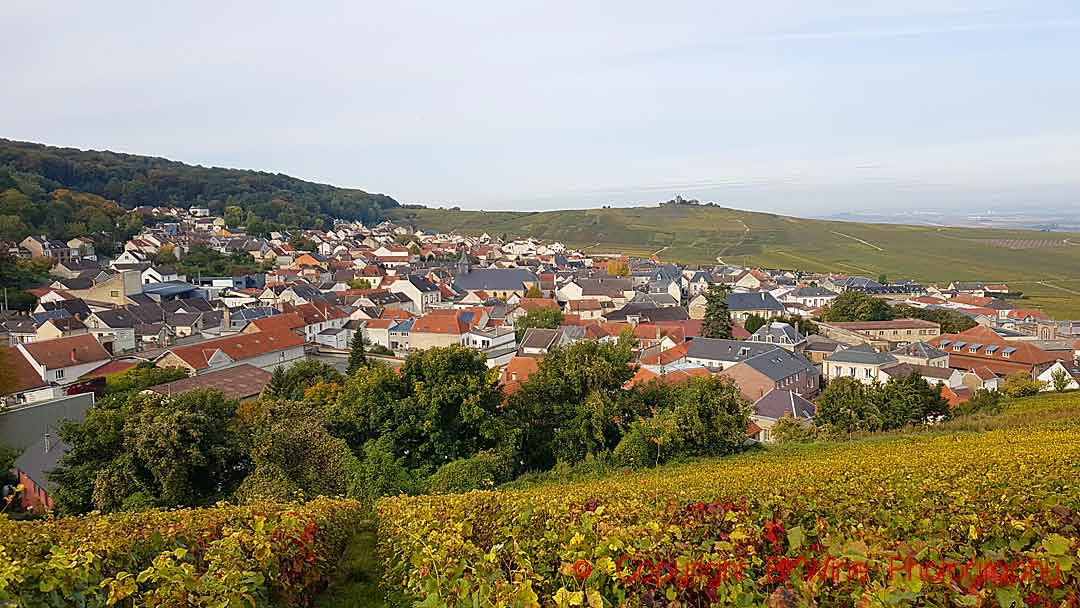
Vineyards close to the lighthouse and houses in Verzenay, some now being replanted with voltis
Vineyards close to the lighthouse and houses in Verzenay, some now being replanted with voltis, copyright BKWine Photography

Chose your language. Read the article in:

Author:

Author:

Share this post:

Leave a Reply

Your email address will not be published. Required fields are marked *

  Subscribe to comments:

Notify me of followup comments via e-mail. You can also subscribe without commenting.

SUBSCRIBE TO OUR NEWSLETTER!

25,000 subscribers get wine news every month. You too?