Utile-Requena is perched on a high-altitude plateau, a short hour west of Valencia. The wines from there today achieve a striking balance of elegance, concentration, and a sense of their origin. The main grape is the autochthonous bobal. This overlooked Spanish wine region has a harsh continental climate that preserves a striking grape acidity. Bobal is a thick-skinned native red, long dismissed as a bulk-blending workhorse, but is now being reimagined through skilful winemaking into structured, fresh, and deeply expressive wines. You can also find rare but characterful indigenous white wine varieties such as merseguera and the ubiquitous macabeo. Utile-Requena is undergoing a quiet revolution. BKWine Magazine guest contributor Michael Pope goes exploring.
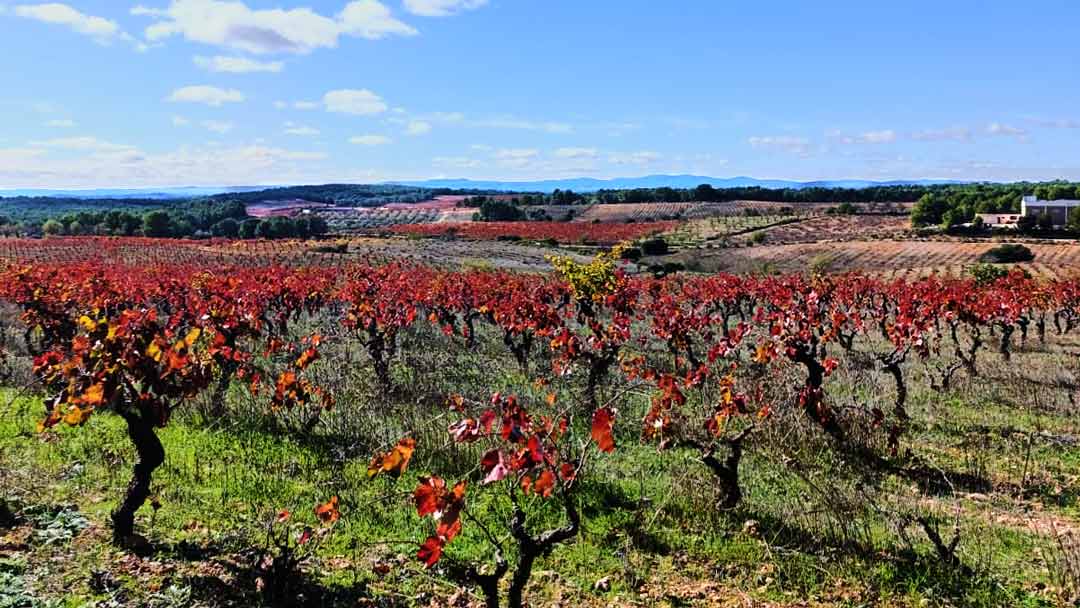
If you asked a group of people, ‘What does Valencia taste like?’, most of them would reply with something similar: Hot sun, ripe fruit, and Mediterranean swagger. Yet drive forty minutes west of the coast we all think of, and climb onto the vast plateau between the two towns of Utiel and Requena, and the landscape rewrites the script entirely. A place where you’ll find vines sitting at altitudes between 700 and 900 metres, surrounded by pine forests and ochre soils, with evenings that turn cool enough even in August that demand a light jacket. Winters are harsh, springs are unpredictable, and the growing season is far shorter than most of us might assume.
This is Utiel-Requena. A region hiding in plain sight. Often overlooked and commonly misunderstood, whilst quietly producing some of the most honest and characterful wines in eastern Spain.
A Continental heart in a Mediterranean province
The continental influence hits immediately on the plateau. The air feels thinner, the light sharper, and the shift from day to night can be astonishing. Hot afternoons push the grapes toward ripeness, but once the sun sets, temperatures fall dramatically. Grapes retain their acidity almost effortlessly, and in some years frost still arrives as late as May.
Rainfall is modest but well-timed, occurring in spring and autumn. Drought tolerance is essential, and fortunately, the local varieties have adapted perfectly to the plateau’s conditions. This partly explains why organic farming is so common here. The climate naturally discourages fungal pressure, and many growers never adopted industrial techniques widely used elsewhere in Spain during the 20th century.
Everything about this region resists easy assumptions.
Bobal, a grape that refuses to be simplified
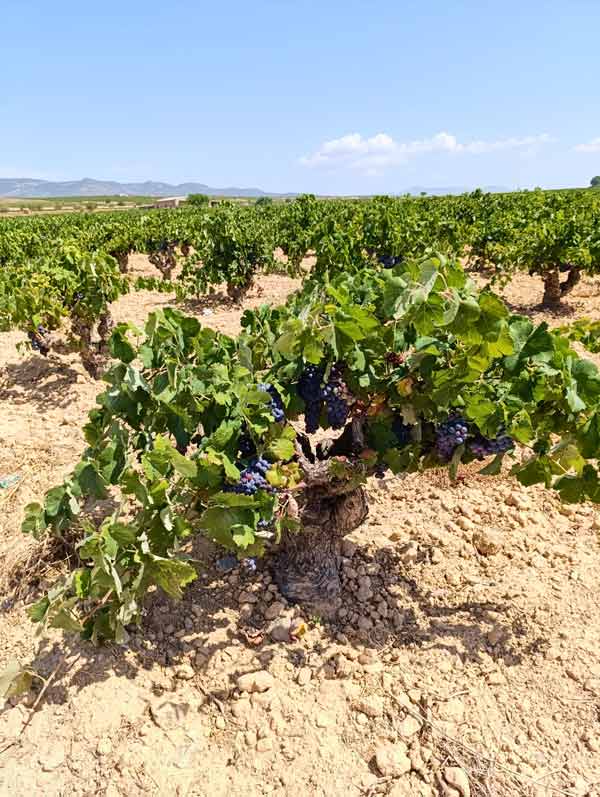
If any grape tells the story of Utiel-Requena, it is bobal. For decades, it was dismissed as a bulk-wine workhorse, valued mainly for colour and acidity in blends sent elsewhere. Walk through the old vineyards, some more than 60 years old and others approaching a century, and the picture becomes clear. Bobal belongs here, but it does not yield easily.
Bobal retains a high acidity, even in hot years. In theory, this is a winemaker’s dream: balance, freshness, and ageability. In practice, its acid structure is almost stubborn. Harvest too early and the wine tastes sharp, grassy, and angular. Harvest too late and it develops dense tannins and a weighty structure. The window for ideal ripeness is narrow, and working with bobal demands careful timing and attention in both the vineyard and the cellar.
Thick skins and big personality
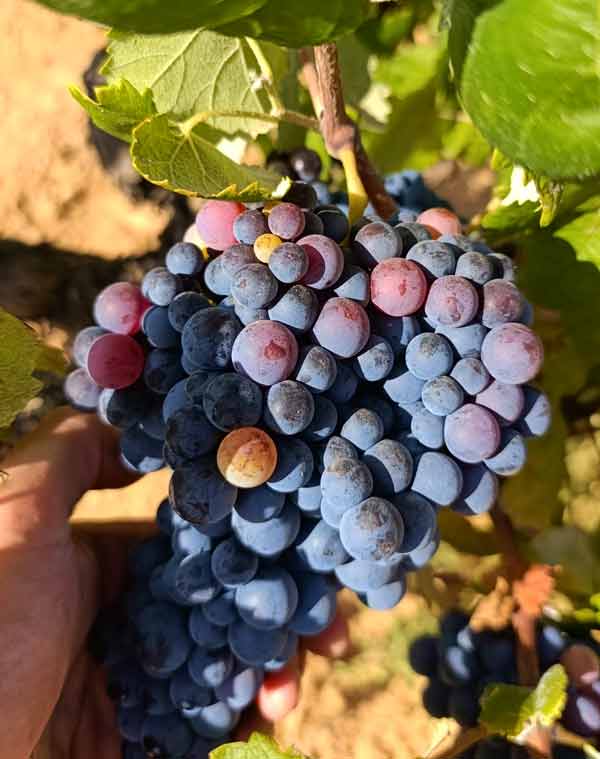
Bobal has exceptionally thick skin. The grapes provide deep colour and structure, but also deliver tannins that can easily dominate. Long macerations once created rustic, heavy-handed wines. Today, producers are more measured. Gentle extractions, cooler fermentations, shorter skin contact, and careful use of amphora or neutral vessels allow bobal to reveal its mountain-grown character: black cherry, plum skins, Mediterranean herbs, violet, and a wild savouriness rooted firmly in the plateau.
Resilience in the vineyard and patience in the cellar
Bobal thrives because it is built for the conditions. It buds late, resists drought, and withstands sun and wind. Old vines with deep roots in clay-limestone soils produce smaller berries and a more refined tannic structure. Across the plateau, these bush vines create some of the DO’s (Denominacion de Origen) most compelling wines. They are structured, energetic, and markedly different from bobal grown elsewhere. In the cellar, the variety requires patience. Treat it carefully, and it becomes something quietly profound.
Beyond bobal: the whites of the plateau
Utiel-Requena is not only about red wines. The same altitude that gives Bobal lift also benefits local white varieties. Several grapes are stepping into the spotlight these days, but we’ll look at two of my favourites:
Merseguera
A Valencia native, merseguera thrives in the highest, coolest plots. It offers pear, almond, fennel, and subtle mountain herbs. Aromatically delicate yet texturally confident, it benefits from modern reductive techniques that preserve its freshness. Merseguera is quiet, but quietly serious.
Macabeo
Macabeo, while common elsewhere, has historical importance here thanks to Requena’s sparkling wine tradition. At altitude, it provides bright citrus and white flowers with natural acidity. It works for both traditional-method sparkling wines and textured still wines. Many producers are experimenting with lees ageing, adding richness without losing freshness.
A landscape of vines and the joy of being there
Part of Utiel-Requena’s charm is how immersive it feels. Much of the DO is so densely planted that, once you leave the motorway, the landscape becomes an uninterrupted sea of vines, broken only by almond trees, small stone “casetas”, and the occasional hilltop. Small hotels tucked among the vineyards offer mornings with birdsong and sun catching the clay soils. Drive ten minutes in any direction, and you are still surrounded by vines. It is peaceful, unhurried, and remarkably unchanged, a rare luxury in modern wine regions.
Spending time among these vineyards makes the wines make sense. The intense light, the constant breeze, and the cool nights explain why Bobal retains its acidity and why organic practices flourish. The geography teaches the wines from the ground up.

A region ready for reappraisal
Utiel-Requena is not the Valencia most wine drinkers imagine. It is a high-altitude landscape of freshness, resilience, and character. The future lies not in reinvention but in clarity: winemakers coaxing nuance from bobal, native whites finding their moment, and old vines preserved to maintain the DO’s singular voice. This is a region quietly producing wines with identity, honesty, and finesse. Expect to see more of them in your tasting lineup.
Quick facts about Utiel-Requena
Utiel-Requena is a region in the province of Valencia on the east coast of Spain. While the city of Valencia itself is on the coast, Utiel-Requena is about an hour’s drive inland. It is named after two cities: Utiel (11,000 inhabitants) and Requena (21,000 inhabitants). A good distance from the coast, at an altitude of around 700 m.
The vineyards cover about 34,000 hectares, roughly the same as Champagne or half the size of Rioja.
They make mainly red wine, around two-thirds of the total. By far, the most planted grape is bobal. In addition, eleven other red grapes are allowed: tempranillo, garnacha, cabernet sauvignon, syrah and others.
For the rarer whites, the most planted grape variety is macabeo, followed by thirteen others: merseguera, tardana (an autochthonous grape), chardonnay and others.