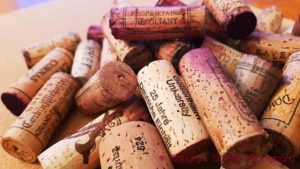
Cork is thriving, 75% market share in France
Did anyone think that natural cork would disappear? Yes, there was an Australian a few years ago who predicted that natural cork would completely die out as a closure for wine bottles. How wrong he

Did anyone think that natural cork would disappear? Yes, there was an Australian a few years ago who predicted that natural cork would completely die out as a closure for wine bottles. How wrong he
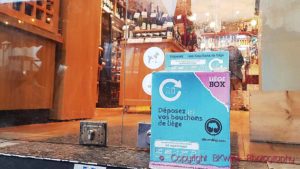
Swedes are phenomenally good at recycling. Except when it comes to cork stoppers. But now this is about to change, starting in the town of Karlstad. This town will be the first in Sweden, in
There are signs that the use of cork stoppers as a closure on wine bottles is increasing and that its new popularity is partly due to its strong sustainability credentials. In the UK, bulk wine
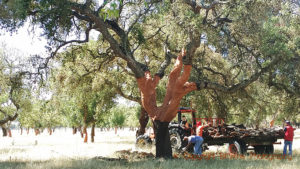
The fact that France has extensive oak forests is widely known, oak used for all the barrels. But France also has cork oaks. Once upon a time, there was a thriving industry around products from
The cork oak is a unique tree. It gives us not only wine corks – still the world’s most popular closure – but also a forest habitat with tremendous biological diversity. A diversity we should
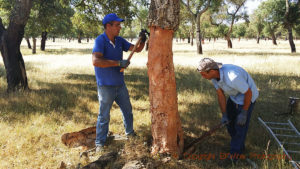
Amorim in Portugal is the world’s largest producer of wine cork stoppers. They sell 5.4 billion cork stoppers a year, both “natural” corks, which are extracted from a single cork strip, and “technical” corks, which
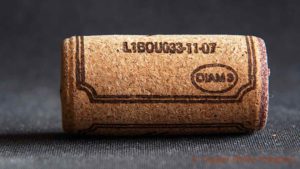
Every year, over 2 billion Diam corks are sold, so chances are you will now and then pull one out of your wine bottle. Diam Bouchage is a French company that 12 years ago introduced
China has become Australia’s largest export market. And the things you do to satisfy your customers! You even put natural cork in the bottles, despite the fact that you are Australian. Amorim, Portugal’s (and the
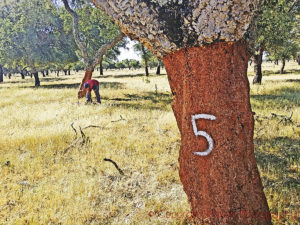
Portugal’s (and the world’s) largest producer of cork products, Amorim, is slowly changing the cork industry. Since 2013, a project has been in progress concerning the possibility to start harvesting the cork from the cork
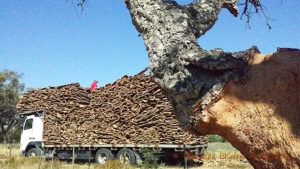
Just a few years ago, or perhaps mainly in the mid 90s and early 00s, corked wines were a big discussion subject. Some people reported 4-5% cork defects in wine, sometimes even 10%. We started
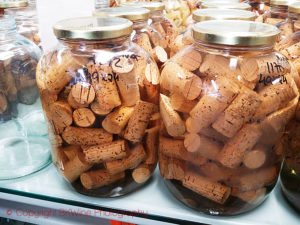
An article about how natural cork has made a comeback in recent years made me look for some interesting cork statistics from Apcor, the association of Portugal’s cork industry. 34% of the world’s cork forests
The Company Cork Supply Group, a major supplier of natural corks, introduced earlier this year a new cork called VINC. This is a cork that is guaranteed to be free of TCA contamination. In other
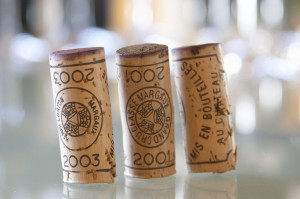
Portuguese company Amorim is the world’s largest producer of natural cork for sealing wine bottles. The company works since many years with advanced technology to minimize the risk of cork taint. Cork taint, which makes
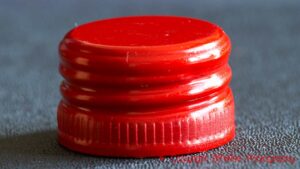
What is the best, screw tops or natural cork? Yes, this is a debate that I am sure will continue for some time yet. One of the major proponents of the screw cap, Australian Penfolds,
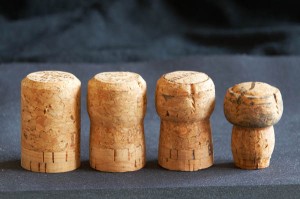
Nomacorc, manufacturer of synthetic wine corks, has launched a synthetic cork for sparkling wines. The cork will start selling in Italy beginning of 2016. The visual aspect of the cork has been important for Nomacorc
Portugal is the world’s largest cork producer but now competition is coming from Provence. Well, France will never have the volumes they have in Portugal. Portugal is still by far the world’s biggest cork producer.
Those who believe that natural cork is about to die out should probably think again. Not only do the major wine countries such as France and Italy, in most cases, prefer natural cork, now more
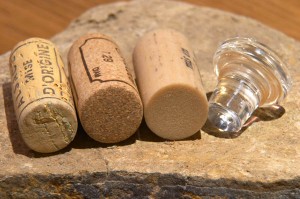
When you talk about faulty wines, the cork is often the scapegoat. However, there are other types of defects. A tasting in the region of Touraine in the Loire Valley shows that the cork defect
A new must-have (?) wine gadget I just discovered a brand new “device” to keep an opened bottle of wine fresh for a long time: Coravin. A clever little thing that with which you don’t
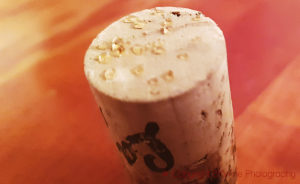
Coravin lets you drink the wine without pulling the cork. At a price. There are various devices that you can use to keep your wine longer after you have opened the bottles and a new
At Vinexpo, recently held in Bordeaux, Amorim launched a new way to seal a wine bottle called Helix Concept. Helix Concept is in fact both a bottle and a cork. The cork is a slightly
The plastic cork is one of several alternatives to natural cork. Some like it and some do not. Some producers refuse to put plastic in their bottles. While others think it is an excellent alternative
We heard about the Diam closure for the first time about five years ago. We attended a tasting with some Champagne producers who all had tried a natural cork called Mytik, which is Diams counterpart
Will this new invention be accepted by the Champagne producers? It is not easy to introduce new closures in the Champagne region (we recall Champagne Duval-Leroy’s attempt a couple years ago, that failed due to

One of the things that contribute to the ageing of wine is oxygen. Aging is, partially, a slow oxidation of the wine. It leads to changes in the flavour and aromas and it also changes
17 billion wine bottles were sealed in 2009. 11.3 billion (66%) used “natural” cork, 3.1 bn used screw cap, and 2.9 bn used synthetic corks. The by far biggest producer of ‘natural’ cork is Portugal.
The “natural” cork industry has made great strides this year to regain credibility with consumers. Consumer attitudes to natural cork and screw caps vary vastly from one country to another. For example, in Scandinavia (and
The English drinks magazine Off License News conducts a survey of consumer preferences for closures since a few years back. the question they ask is “What kind of closure do you prefer?” Last year screw
It might perhaps be a bit difficult to do yourself (but worth a try?), but a Portuguese designer has created a line of sexy (hmm, well) underwear made from cork. The sexy frills are created
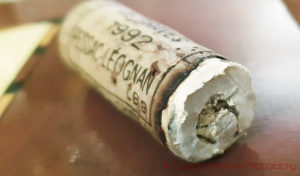
Corked wines is still a problem. It is often the fault of the foul smelling chemical TCA. Even if the situation seems to have improved over recent years (fewer corked wines) it’s still a problem.
Did anyone think that natural cork would disappear? Yes, there was an Australian a few years ago who predicted that natural cork would completely die
Swedes are phenomenally good at recycling. Except when it comes to cork stoppers. But now this is about to change, starting in the town of
There are signs that the use of cork stoppers as a closure on wine bottles is increasing and that its new popularity is partly due
The fact that France has extensive oak forests is widely known, oak used for all the barrels. But France also has cork oaks. Once upon
The cork oak is a unique tree. It gives us not only wine corks – still the world’s most popular closure – but also a
Amorim in Portugal is the world’s largest producer of wine cork stoppers. They sell 5.4 billion cork stoppers a year, both “natural” corks, which are
Every year, over 2 billion Diam corks are sold, so chances are you will now and then pull one out of your wine bottle. Diam
China has become Australia’s largest export market. And the things you do to satisfy your customers! You even put natural cork in the bottles, despite
Portugal’s (and the world’s) largest producer of cork products, Amorim, is slowly changing the cork industry. Since 2013, a project has been in progress concerning
Just a few years ago, or perhaps mainly in the mid 90s and early 00s, corked wines were a big discussion subject. Some people reported
An article about how natural cork has made a comeback in recent years made me look for some interesting cork statistics from Apcor, the association
The Company Cork Supply Group, a major supplier of natural corks, introduced earlier this year a new cork called VINC. This is a cork that
Portuguese company Amorim is the world’s largest producer of natural cork for sealing wine bottles. The company works since many years with advanced technology to
What is the best, screw tops or natural cork? Yes, this is a debate that I am sure will continue for some time yet. One
Nomacorc, manufacturer of synthetic wine corks, has launched a synthetic cork for sparkling wines. The cork will start selling in Italy beginning of 2016. The
Portugal is the world’s largest cork producer but now competition is coming from Provence. Well, France will never have the volumes they have in Portugal.
Those who believe that natural cork is about to die out should probably think again. Not only do the major wine countries such as France
When you talk about faulty wines, the cork is often the scapegoat. However, there are other types of defects. A tasting in the region of
A new must-have (?) wine gadget I just discovered a brand new “device” to keep an opened bottle of wine fresh for a long time:
Coravin lets you drink the wine without pulling the cork. At a price. There are various devices that you can use to keep your wine
At Vinexpo, recently held in Bordeaux, Amorim launched a new way to seal a wine bottle called Helix Concept. Helix Concept is in fact both
The plastic cork is one of several alternatives to natural cork. Some like it and some do not. Some producers refuse to put plastic in
We heard about the Diam closure for the first time about five years ago. We attended a tasting with some Champagne producers who all had
Will this new invention be accepted by the Champagne producers? It is not easy to introduce new closures in the Champagne region (we recall Champagne
One of the things that contribute to the ageing of wine is oxygen. Aging is, partially, a slow oxidation of the wine. It leads to
17 billion wine bottles were sealed in 2009. 11.3 billion (66%) used “natural” cork, 3.1 bn used screw cap, and 2.9 bn used synthetic corks.
The “natural” cork industry has made great strides this year to regain credibility with consumers. Consumer attitudes to natural cork and screw caps vary vastly
The English drinks magazine Off License News conducts a survey of consumer preferences for closures since a few years back. the question they ask is
It might perhaps be a bit difficult to do yourself (but worth a try?), but a Portuguese designer has created a line of sexy (hmm,
Corked wines is still a problem. It is often the fault of the foul smelling chemical TCA. Even if the situation seems to have improved


