



Argentinians drink only a fraction as much wine as they did a few decades back. The wine bottle is not a given on the family dining table. Is it terminal decline? A week in Buenos Aires paints a very different picture, much more positive. Wine bar after wine bar prominently displayed and served wine on crowded sidewalk seatings. Young people were chatting and drinking. But not the same wines, nor in the same way as their parents and grandparents. BKWine Magazine contributor Guido Spina spent a week immersed in the Buenos Aires scene and discovered the future might look brighter than we think for wine.
Ed.: With this article, we introduce Guido Spina as a new contributor to BKWine Magazine. Guido is Argentinean and lives in Patagonia.
Ed.: This ties into the article that we published recently on BKWine Magazine on “the wine crisis” in an interesting way.
On my second evening in Buenos Aires, I found myself standing at the bar of Vereda Adentro, waiting for two seats to become available. Around me, conversations bounced from producers in Patagonia to a tasting someone had attended the previous weekend. The sommeliers knew many of the guests by name. A couple debated whether to order a criolla (a group of historic varieties developed in the Americas through natural crossbreeding among grapevines brought over by the Spanish – “Criolla, Argentina’s unique grapes”) or a chardonnay.
None of it felt like the picture you’d expect from a country where wine consumption has been steadily declining for decades. Yet that is precisely the paradox.
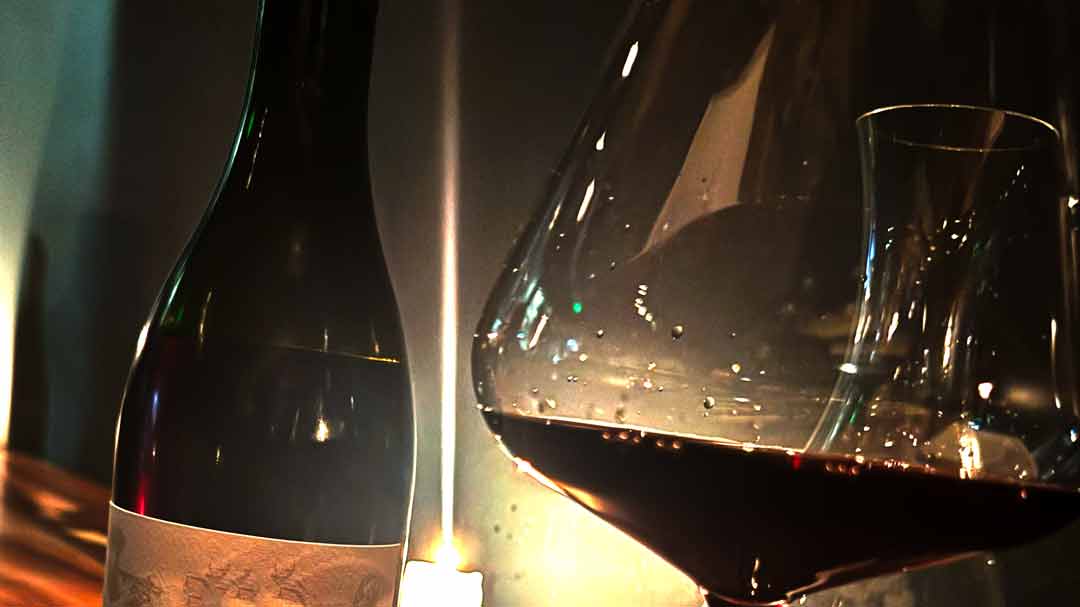
Argentina drinks considerably less wine today than it did fifty years ago. Per capita consumption, which exceeded 80 litres annually in the 1970s, has fallen to around 16 litres today. By almost every statistical measure, wine has lost the place it once occupied at the family table.
Spend a week in Buenos Aires, however, and another story begins to emerge. Rather than disappearing from Argentine life, wine seems to have changed its role.
From everyday drink to cultural experience
For much of the twentieth century, wine was simply part of daily life. It accompanied lunch. It accompanied dinner. Few people questioned why a bottle was on the table because it was simply expected to be there.
Economic crises, changing lifestyles and shifting consumer habits gradually transformed that culture. Today’s younger Argentines have grown up with countless alternatives, and wine no longer enjoys the automatic place it once held.
Looking only at consumption figures, the conclusion appears obvious. Wine is declining, but walking through Buenos Aires suggests something far more interesting.
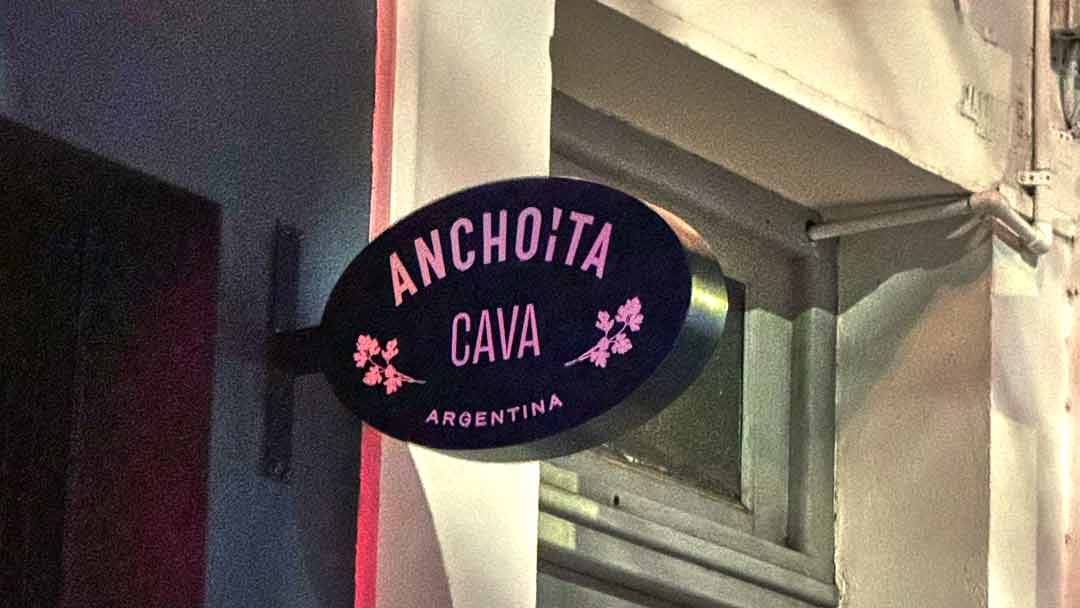
Across the city, wine bars keep opening. Places like Vereda Adentro or Anchoita Cava have become gathering points for a new generation of drinkers. Independent wine shops host weekly tastings. Restaurants are paying more attention to thoughtful wine lists rather than simply offering familiar labels. Producer dinners, educational events and informal tasting clubs have become regular features of the city’s cultural calendar.
These are not signs of a consumption boom. They signal a cultural shift. Wine is no longer merely accompanying everyday life. Increasingly, it is becoming the reason people come together.
Curiosity replaces routine
One afternoon, I visited La Cumbre Vinoteca and asked about the kinds of customers now walking through the door. The waiter told me that younger customers increasingly arrive looking for a producer they’ve heard about from a friend or social media rather than asking for a famous label or even a recommendation from me.
That observation echoed something I had heard repeatedly throughout the week. People are arriving with questions, not habits. Instead of asking for the biggest winery or the highest-rated bottle, many want to discover someone they’ve heard about from a friend, read about online or encountered at a tasting.
Alfredo “Fredy” Mestre, founder of Les Astronautes, described the shift from another angle.
“People today want to drink the producer.”
It’s a deceptively simple observation. Increasingly, the bottle matters because of the person behind it. Consumers follow small producers across vintages, attend harvest dinners, visit vineyards and become as interested in the stories surrounding the wine as much as the wine itself. Curiosity has begun replacing routine.
Buenos Aires as Argentina’s wine capital
Buenos Aires produces virtually no wine of its own. Yet it may have become Argentina’s most important city for wine culture.
During a one-week visit, I met winemakers presenting new vintages from Mendoza, Patagonia and the Northwest (Noroeste – Salta, Cafayate,…). Sommeliers moved between restaurant dining rooms and neighbourhood wine bars. Journalists, importers, retailers and consumers repeatedly crossed paths at tastings, dinners and informal gatherings. Ideas circulate quickly here.
A producer from a remote region can suddenly become known because a sommelier starts pouring their wines by the glass. A conversation at one tasting leads to another visit the following evening. Discovery spreads through people rather than advertising.
That dynamic helps explain why Buenos Aires often feels like the place where Argentine wine is interpreted, even if it is produced hundreds or even thousands of kilometres away.

More than natural wine
It would be easy to explain this transformation simply through the rise of natural or low-intervention wine. That would miss the larger story.
Joanna Foster, founder of Stella Crinita (a winery in Uco Valley in Mendoza), told me that her journey into low-intervention winemaking began not with wine itself, but with biodynamic farming and a search for healthier agriculture. Over time, she came to see natural winemaking as the natural extension of caring for the vineyard rather than as a stylistic choice.
She also pointed out something that is often overlooked outside Argentina. Mendoza’s dry climate, altitude, the Zonda wind and centuries-old irrigation systems inherited from Indigenous communities make low-intervention farming unusually viable. Europe taught her many things, she explained, but Argentina offered conditions that allowed those ideas to evolve in their own direction.
That perspective reflects a broader cultural confidence. Argentina is no longer trying to imitate Europe’s wine culture. It is becoming increasingly interested in understanding its own.
A Different Way of Measuring Wine Culture
None of this suggests that Argentina is returning to the wine culture of the mid-twentieth century. Wine is unlikely to reclaim its place at every family meal, and perhaps it doesn’t need to. The context in which people encounter wine has changed, and with it, the role wine plays in everyday life has changed.
Today, wine increasingly lives in neighbourhood wine bars, independent wine shops, producer dinners, tasting clubs and restaurants where the conversation often lasts longer than the bottle itself. Rather than arriving at the table by habit, wine has become something people actively seek out, whether to discover a new producer, learn about a region or simply spend an evening with friends.
Measuring Argentine wine culture solely through litres consumed therefore tells only part of the story. Consumption has undeniably fallen, but participation in wine culture appears to be taking new forms. The growing popularity of tastings, producer events and independent wine bars suggests that, for many consumers, wine has shifted from being an everyday beverage to becoming a cultural experience.
Argentina may be drinking less wine than it once did. But after spending time in Buenos Aires, it is difficult to conclude that wine has become less important. If anything, it has become something people choose more consciously. The bottle no longer arrives at the table out of routine; it arrives because people have decided that this is a moment worth sharing.
Travel
Explore the Buenos Aires wine bars yourself and the go visit the wineries of Argentina and Chile on a wine tour to Argentina and Chile with BKWine.
Travel to the world’s wine regions with the wine experts and the wine travel specialist.
Wine tours that give you insight. BKWine wine tours.




One Response
Beautiful Note, I totally adhere to the idea. Lowering consumption and raising interest is very valuable in a world organized by consumption without content. And a Latin reading of current consumption is essential to understand it.