Grenache, a great grape: what wine does it make and which to drink?

Share / Like:

Share / Like:

Grenache is one of the world’s most planted grape varieties, but it is often used in blends, e.g. “GSM” (grenache, syrah, mourvèdre). It deserves more attention on its own since it can make outstanding wines of all colours and types, red, white, rosé, dry, sweet, even sparkling. I have, on several occasions, participated as a taster and wine judge on the jury in the world grenache competition, Grenaches du Monde, so I have tasted quite a few! Here is an introduction to grenache and a selection of favourite wines from the Grenaches du Monde competition.

Originally published on Forbes.com, this article is republished here in an expanded form with additional context, content, updates, and editorial insights relevant to BKWine Magazine readers and other wine-lovers.

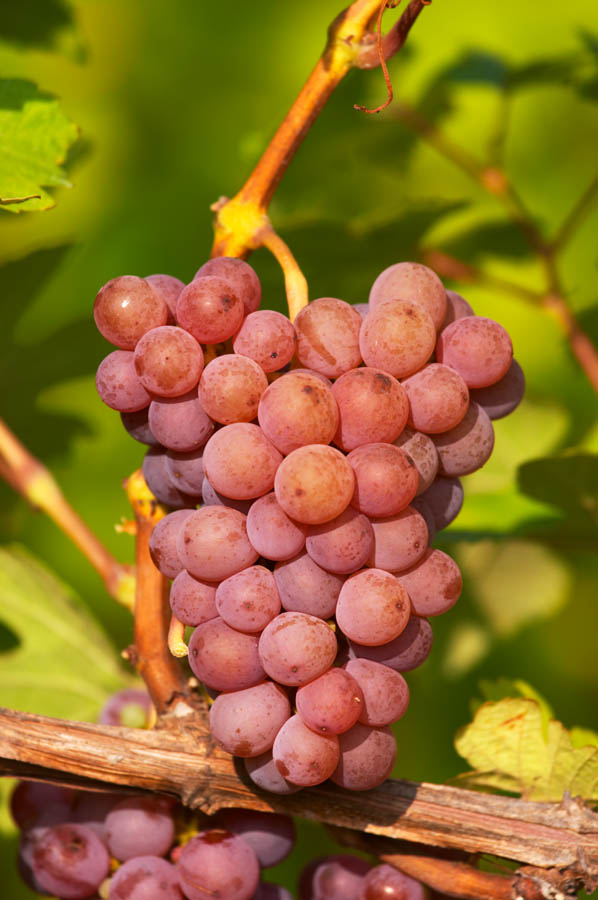
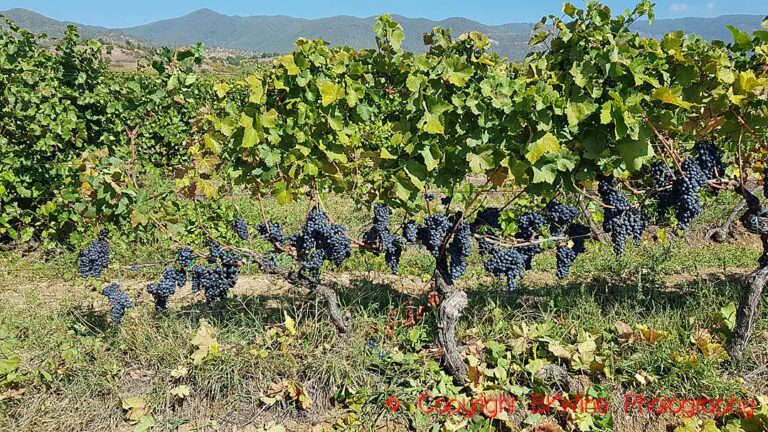
Grenache grapes in a vineyard in Umbria, Italy
Grenache grapes in a vineyard in Umbria, Italy, copyright BKWine Photography

Grenache is the seventh most planted wine grape variety in the world. It is ahead of both pinot noir and sauvignon blanc. And yet, it is not very well known. That is probably due to its history. It used to be a grape that produced large volumes of quaffable wine, but today, thanks to changing market demand and improved talent by those who grow it and make wine from it, it is one of the world’s leading grape varieties also when it comes to quality.

The world’s most planted wine grape varieties (OIV, 2017, list excludes non-wine varieties):

  • Cabernet sauvignon, 341,000 ha
  • Merlot, 266,000 ha
  • Tempranillo, 231,000 ha
  • Airen, 218,000 ha
  • Chardonnay, 210,000 ha
  • Syrah, 190,000 ha
  • Grenache noir, 163,000 ha
  • Sauvignon blanc, 123,000 ha
  • Pinot noir, 112,000 ha
  • Trebbiano toscano, ugni blanc, 111,000 ha
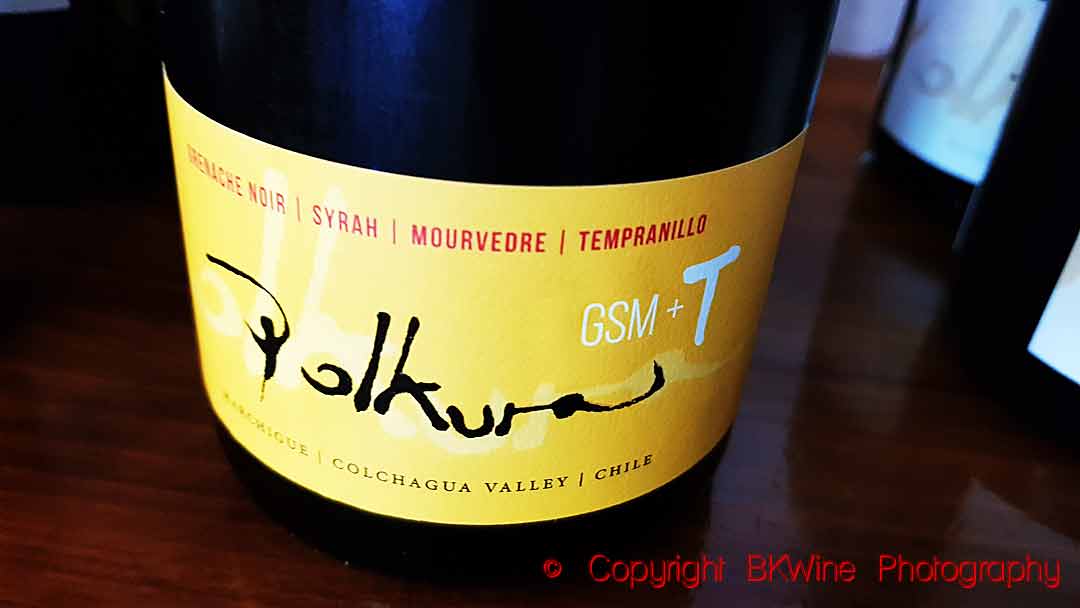
Polkura GSM+T, grenache, syrah, mourvedre, tempranillo, Colchagua, Chile
Polkura GSM+T, grenache, syrah, mourvedre, tempranillo, Colchagua, Chile, copyright BKWine Photography

The grenache wine

When we talk about grenache, we tend to just think about the red wine made from the red grenache noir, or with the Spanish name, garnacha tinta. This is how we describe the characteristics of the wine in our grenache grape profile:

Grenache wines have an intense aromatic profile, with warm and ripe fruit, sometimes hints of dried fruit, and herbal and peppery notes. It has a smooth mouthfeel, usually with a good but modest amount of tannins. The grapes can accumulate a lot of sugar, and the alcohol can sometimes be high. Sometimes it can be a good idea to attenuate the high alcohol by blending it with other varieties. It is sensitive to oxidation, which means one has to handle it carefully, but that also contributes to its character.

Typical characteristics: light colour, soft, ripe fruit, modest tannins, some spices and herbs. But, as we will see later in this article, the style variations are significant.

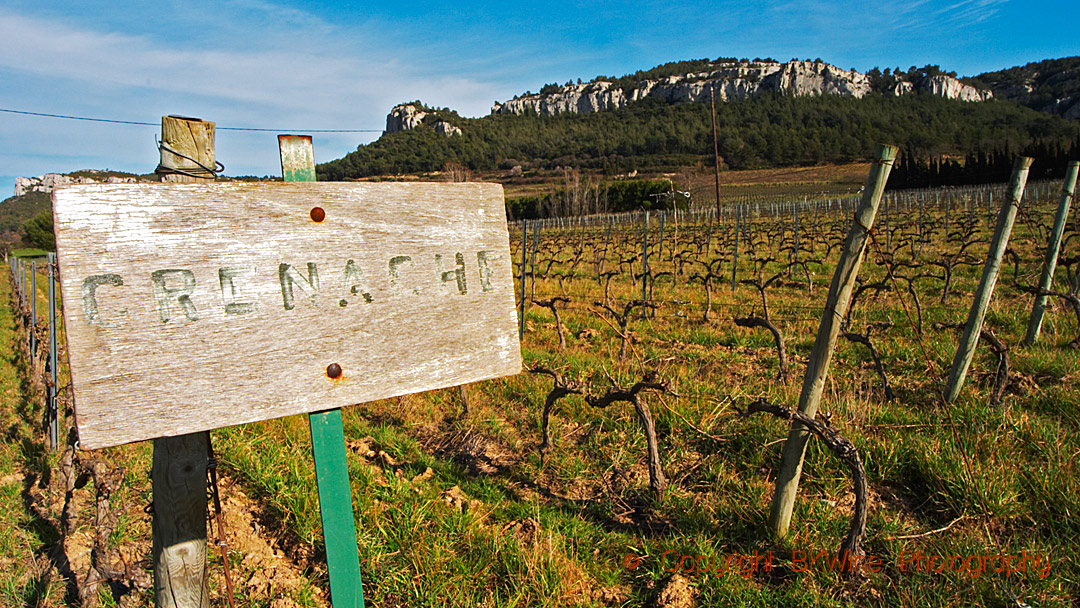
Grenache vines in a vineyards in Provence
Grenache vines in a vineyards in Provence, copyright BKWine Photography

Grenache in all colours

Grenache noir (the one that is commonly called just “grenache”) is just one of the versions of grenache. It is a genetically relatively unstable grape (or perhaps it’s just been around for a long time so many mutations have happened in nature) so there are many different versions, genetic mutations.

Another red grenache is the grenache poilu (garnacha peluda, lledoner pelut, furry grenache). It is also a red grape. It is called poilu (furry) since the leaves are slightly “hairy”. Sometimes producers treat this as the same as grenache noir and just put it in the same vat, but it seems to be becoming more frequent for it to be vinified separately. The organoleptic difference is not big, but it could be described as a slightly denser, darker-fruited wine with more tannins. But to be honest, it probably makes a bigger difference how the winemaker works it.

Grenaches du Monde competition organised by Roussillon and Spain
Grenaches du Monde competition organised by Roussillon and Spain, copyright BKWine Photography

And then we have the white grenaches. These are little-known and deserve much more attention than they get.

Grenache blanc is a white grape, genetically the same as grenache noire. In fact, all these versions of grenache are genetically the same grape variety, but the result of naturally occurring mutations (one could say GMO in nature).

Grenache gris (“grey” grenache) is also a white variety but with a darker skin, almost pink, similar to, for example, the white gewurztraminer that also has a pink skin.

The white grenaches are what we (BKWine) often call “structure wines”. It is not wines with an immediate aromatic character, like sauvignon blanc, riesling or muscat. Instead, it is wines whose charm and quality are more due to their “structure”, the mouthfeel. Aromatic wines are often light-bodied; structured wines are the opposite. You really feel them in the mouth and feel them linger, generous and rich wines.

Gewurztraminer grapes in the vineyard
Gewurztraminer grapes in the vineyard, copyright BKWine Photography

The white grenache wines tend to have aromas of yellow fruit, white or yellow flowers or yellow apples, sometimes a bit of soft herbs and even some honey or beeswax. They are typically low in acidity, but that does not mean they lack acidity. The “gris” version can have a bit firmer structure, perhaps a hint more tannin (some say saltiness).

We find the two white grenache versions very exciting and are happy when we get a chance to taste them.

The “other” grenaches, estimated worldwide acreage:

  • Grenache blanc, 10,000 ha
  • Grenache gris, <3,000 ha
  • Grenache poilu, 2,000 ha

There is even a very rare version called grenache rose that I am not sure I have ever encountered a wine from.

Grenache has a number of offspring, crossings made from it, for example, alicante bouschet, a grape with red juice, and marselan, which has become a grape widely planted in China.

Grenache Blanc 2018, Piekenierskloof, Citrusdal, South Africa
Grenache Blanc 2018, Piekenierskloof, Citrusdal, South Africa, copyright BKWine Photography

Where is grenache planted?

If we count all grenache versions (clones, mutations), we come close to around 200,000 hectares worldwide. But let’s focus primarily on the grenache noir. (A word of caution: grape planting statistics are often a bit approximate.)

The biggest grenache country is Spain, with some 95,000 ha. It is planted across much of the country, but the centre is in Aragón, in north-east Spain. Here we have the three appellations Campo de Borja, Catalayud and Cariñena. Ironically, one of them bears the name of another grape variety, carignan/carigñena, which is why carignan is often called mazuelo or samsó in Spain.

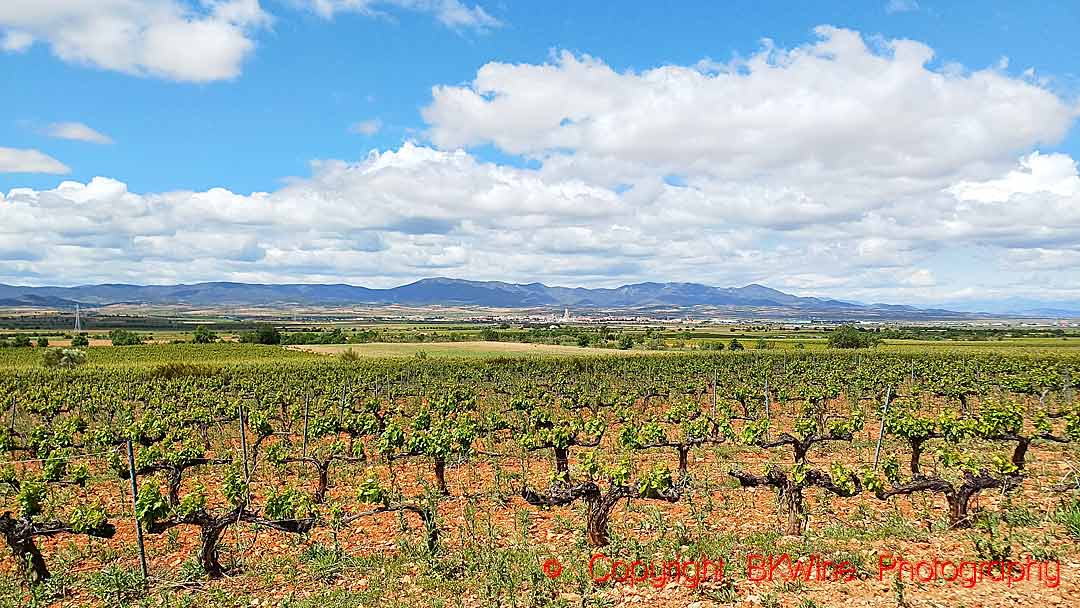
Grenache vineyards in DO Carinena in Spain
Grenache vineyards in DO Carinena in Spain, copyright BKWine Photography

The second biggest grenache country is France, with some 81,000 ha of grenache. The three grenache powerhouses in France are the Languedoc, the Rhône Valley and Roussillon. Languedoc has the biggest acreage but Roussillon is much more fond of it; it is the most important grape variety in the Roussillon. In the Rhône Valley it is planted in the south where it is usually blended with a variety of other grapes: mourvèdre, syrah, cinsault, and others.

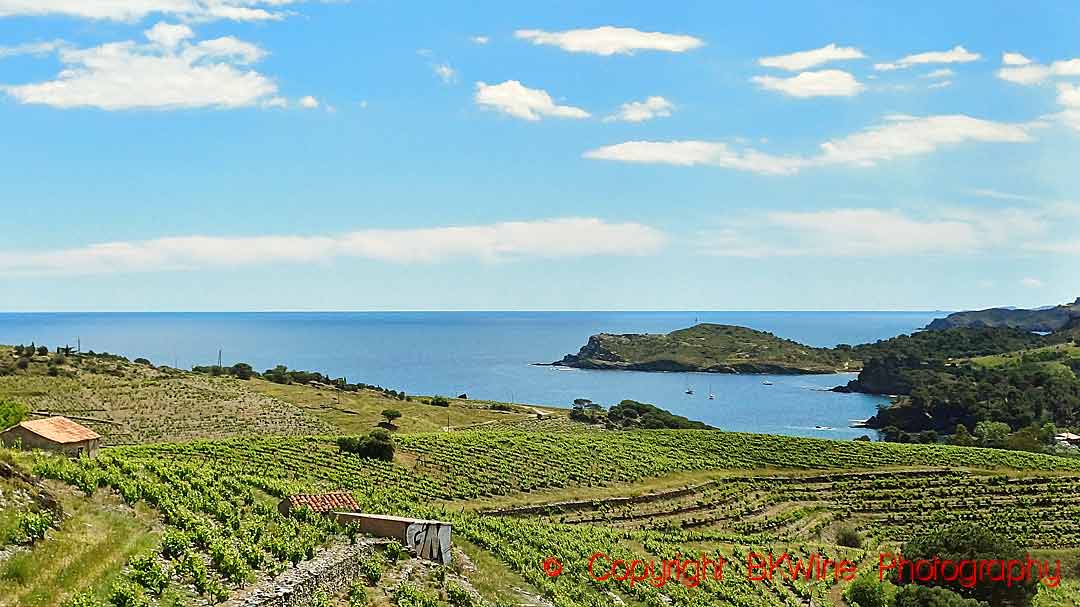
Grenache vineyards facing the sea in Roussillon, France
Grenache vineyards facing the sea in Roussillon, France, copyright BKWine Photography

The third country to have significant plantings of grenache is Italy, with some 8,000 ha almost all of it on Sardinia where it is called cannonau.

These are the three big producers of grenache but we have tasted excellent versions from other countries too. They grow it successfully in, for example, Swartland in South Africa and we’ve had tried several excellent grenache on our wine tours to South Africa. We’ve had delicious versions occasionally on the wine tours in Chile and Argentina.

Other countries that grow it include Australia, the USA, Portugal and more.

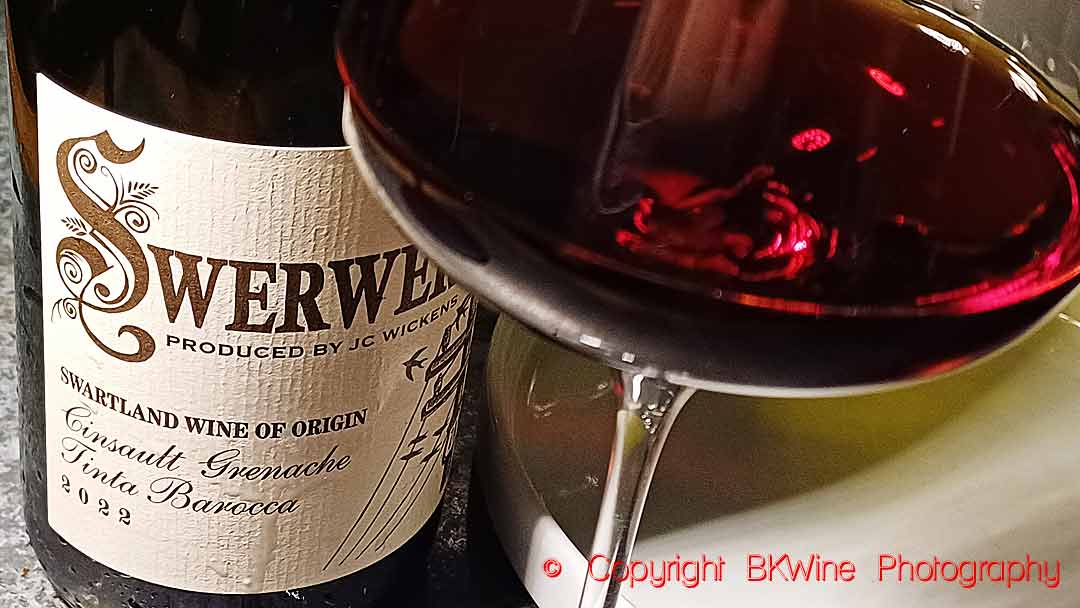
Swerwer Wine, Cinsault, Grenache, Tinta Barroca, by JC Wickens, Swartland, South Africa
Swerwer Wine, Cinsault, Grenache, Tinta Barroca, by JC Wickens, Swartland, South Africa, copyright BKWine Photography

The Grenache Quality Revolution

Grenache used to be the world’s most planted red variety, surpassed at the time only by the white airén. Both have dropped dramatically in the rankings.

The main change for grenache is in Languedoc. The region used to have 400,000 hectares many decades ago, not only grenache, but much of it was. Today, there is no more than 200,000 ha (counting all varieties). Much of what has disappeared (not all, though) is grenache.

This illustrates a fundamental shift in the world of wine. Going back maybe half a century, or even more, making large volumes of cheap wine was important. It was almost all drunk on the local market. Grenache, if you let it, can make very large volumes of modest quality.

Today, the situation is very different. Today, you need to make quality wine that meets international market standards. Grenache can do that too, with great quality and character, if you take care of it properly.

That’s why today you have much less grenache plantings than before, but on the other hand, it can be of phenomenal quality.

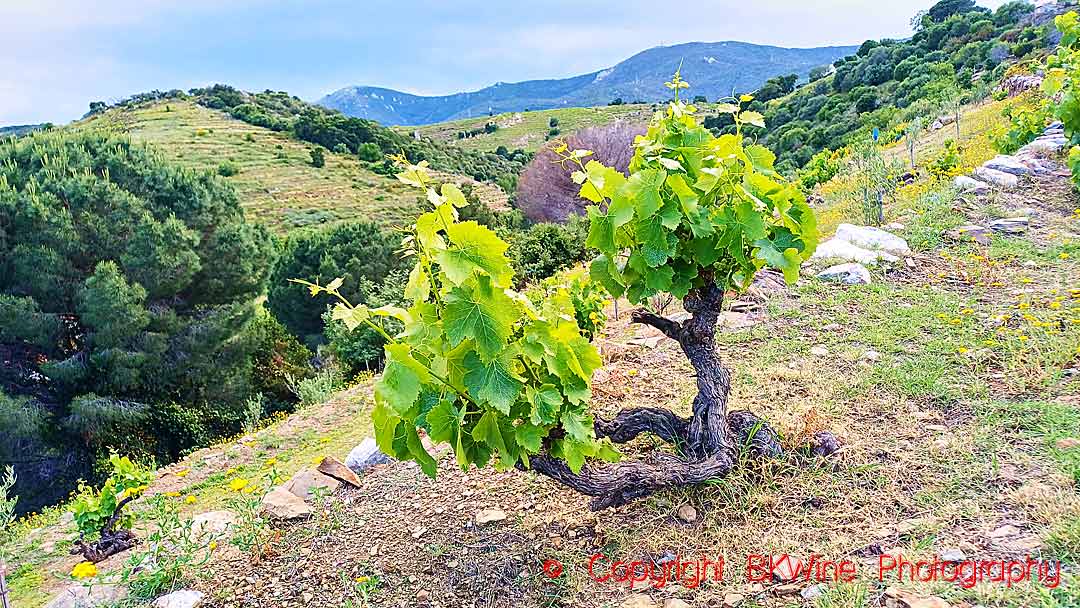
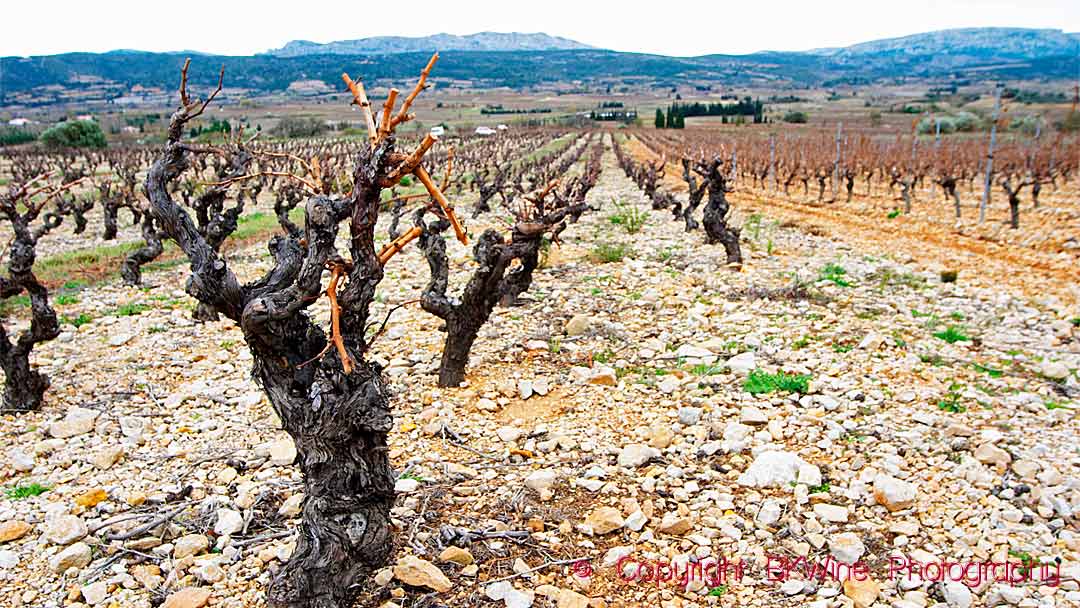
An old grenache vine in goblet (bush vine) in Roussillon, France
An old grenache vine in goblet (bush vine) in Roussillon, France, copyright BKWine Photography

Talented grenache growers today understand the issues with over-cropping and excess ripeness; they know how to manage the vines to achieve proper ripeness, and they know how to work in the cellar to retain both fruit and freshness. And, of course, character. Producers take more care in bringing out the best character from their own local conditions, soil, climate, water, style, etc. “Do as they did in the old days” is not always the answer.

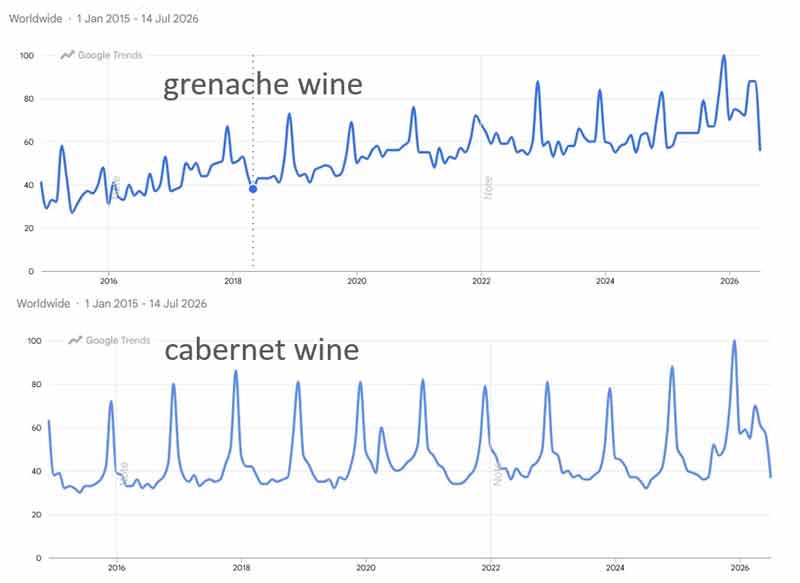
This quality revolution is reflected by the interest from the market and consumers. Google Trends, for instance, shows steadily increasing search traffic for “grenache wine” since 2015, with searches almost doubling. As a comparison, searches for “cabernet wine” or “chardonnay wine” have been fairly flat over the same period. Grenache is gaining ground. (The total number of searches for “cabernet wine” is, of course, much higher than for grenache, according to Google Trends. This is an illustration of the trend, not absolute numbers.)

This is the grenache quality revolution.

Grenache, a climate change champion

Another reason the future looks bright for grenache is that it thrives in hot, dry weather, which is common in Spain and southern France. But today more and more wine regions suffer from excessive heat and limited water supply. Many grape varieties and vineyards suffer greatly from heat and drought (read this article we pushed recently). Grenache manage this kind of weather better.

The unknown gemstone of grenache

I’ve explained that grenache comes in all colours, red, white, and, of course, rosé. But there is one more version I need to mention, and I have not chosen “gemstone” by chance. It is a wine that often has the visual beauty of a gemstone. It simply looks beautiful, and taste exceptional too.

An old vine, probably grenache, in dry soil in Fitou in Languedoc
An old vine, probably grenache, in dry soil in Fitou in Languedoc, copyright BKWine Photography

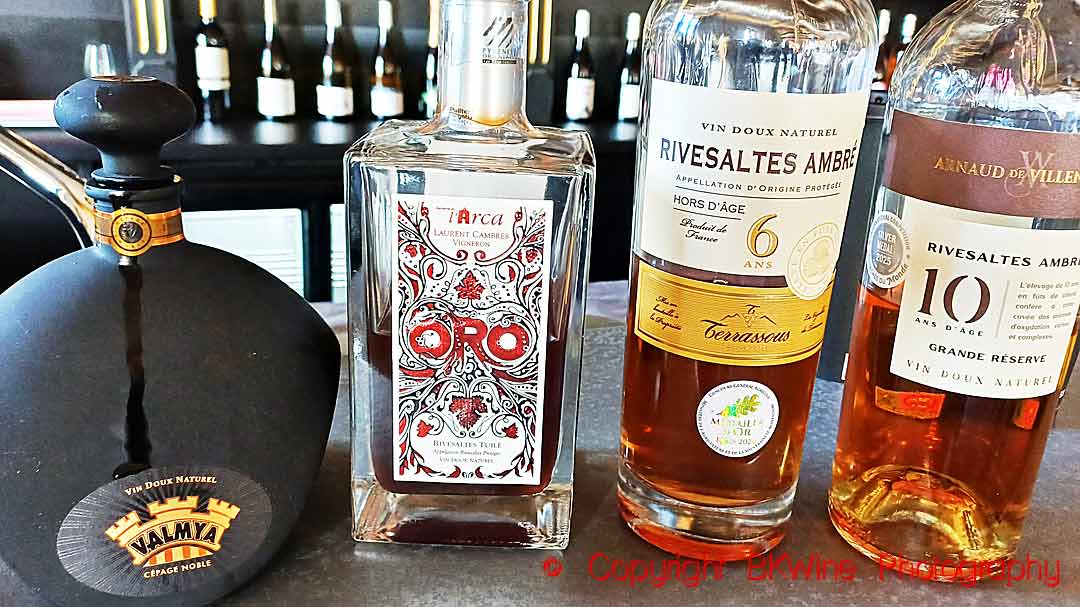
This is the sweet, fortified VDN wines, Vin Doux Naturels. They are made in ways similar to making port wine: The wine is fermented in tanks, but before it finishes the fermentation, grape alcohol is added. This stops fermentation and maintains a typically high sugar level in the wine. Similar to port wine.

They can be white or red (often amber, actually). They can be fresh and fruity or oxidised. They can be young or old, sometimes very old. It is not unusual to find several decades old wines for sale. They are often absolutely amazing wines. Roussillon is the main producer of these wines, under the names Banyuls, Rivesaltes, and Maury. But it is also made in small quantities in Spain, Italy (Sardinia), Australia, South Africa…

It is a whole world to discover, with all the different styles, so it will go too far to continue that exploration here.

Try them!

Bottles of sweet fortified VDN wines from Roussillon, Rivesaltes, grenache, France
Bottles of sweet fortified VDN wines from Roussillon, Rivesaltes, grenache, France, copyright BKWine Photography

Global selection of grenache at Grenaches du Monde

Before giving you my favourite grenache wines from the Grenache du Monde competition that I mentioned earlier, let me explain how this kind of “competition” works. It is essentially a massive tasting aimed at identifying a selection of outstanding wines. It is not attempting to find “the world’s best grenache”, which would be a futile exercise. Instead, it is an opportunity for grenache producers to show their wines to a panel of highly qualified professional tasters and maybe get a special mention and recommendation.

Grenache du Monde is a nomadic competition and takes place in a different wine region every year, one that usually has grenache as a prominent grape. The latest edition of the Grenache du Monde, 2026, took place in Roussillon, where it started thirteen years ago. Since then, it has been in Campo de Borja (northern Spain), Sardinia, where grenache is widely planted under the name cannonau, Catalonia, Montpellier in Languedoc, Navarra, New York (the US being an important market), Paris (also an important market), and Cariñena, which, together with the neighbour Calatayud, is another centre for grenache in Spain.

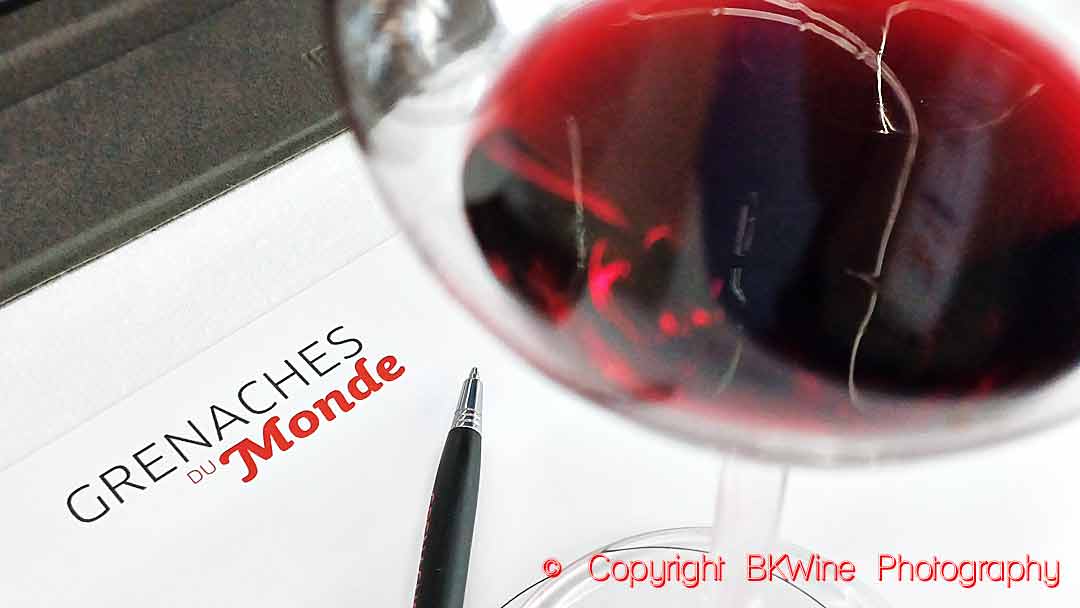
Tasting and evaluating grenache wines at the Grenache du Monde competition
Tasting and evaluating grenache wines at the Grenache du Monde competition, copyright BKWine Photography

This year’s edition included more than 700 wines mainly from France, Spain, and Italy. Sadly, few other countries have been able to participate. The United States, Australia, and Algeria have significant plantings, and we have often tasted excellent examples on our wine travels in both South Africa and Chile. It would be very interesting to benchmark those against the three giants of the grenache world.

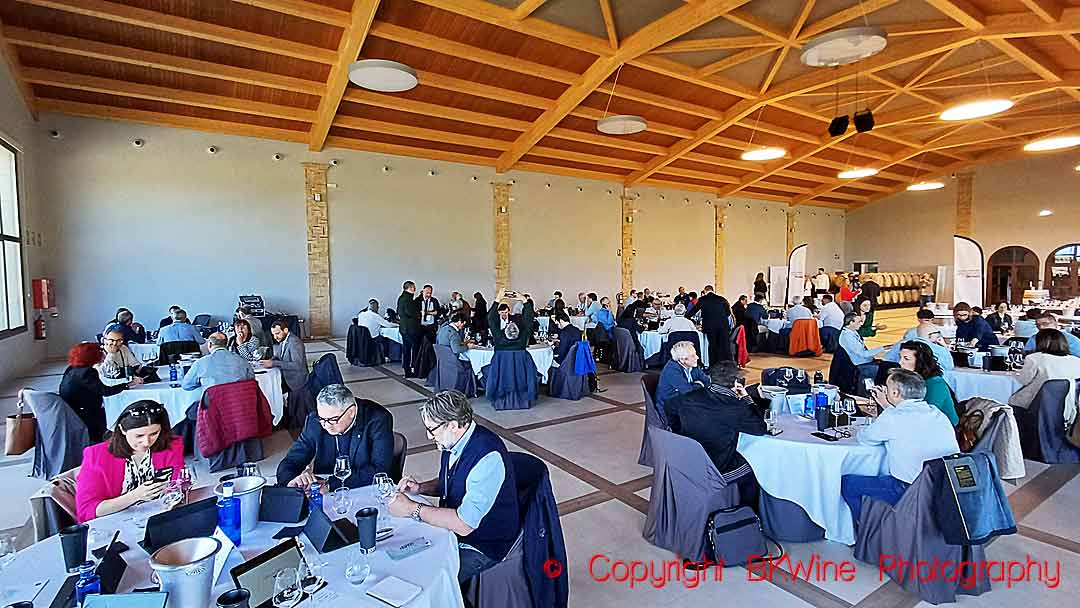
There were some 60-70 tasters from all over the world, from Japan to the USA, divided into eleven jury panels. I was the panel chair (or president, if you wish) of one of the panels with tasters from the UK, France, Italy and Sweden. Each panel tastes a selection of wines so that all wines are tasted by at least six people.

All wines in Grenache du Monde are tasted entirely blind, in other words, the tasters do not know the origin of the wines they taste. This is an important distinction from other competitions where the wines are tasted “semi-blind” where the tasters are told which region the wines come from (and somethimes other things too, like the price). A fully blind tasting focusses on the quality of the wines, whereas a semi-blind tasting tends to become more oriented towards “typicity” (i.e. “does this wine taste as I think it should taste”). Typicity is not at all the same thing as quality (and how a wine “should” taste is not any one person can decide). So, in my view, tasting fully blind is a fairer way to juge wine and give each sample an equal chance on a level playing field.

It is not necessarily easy to find a particular wine mentioned below on your specific market, so what I will give you here is a fairly large selection of the best wines according to three different criteria: my personal favourites of the wines I tasted, my tasting panel’s (of six people) favourites, and overall competition “winners” (when they were not on the previous two lists). It may also be difficult to find the specific cuvée (the brand of the blend), so instead I recommend that you simply look for wines from the producers I name. In the list below, the producer’s name comes first, followed by the cuvée, vintage, region, country, and colour.

Remark 1: Most wines are 100% grenache (and version); some wines are blends with other varieties but where grenache dominates.

Remark 2: Each panel only tastes around 60-80 wines, so, not all the wines in the competition. They are usually grouped in series of similar wines, so, for example, series of 10-12 wines from a specific region. My jury panel only had series of wines from Spain and Italy (with the exception of VDN). Therefore, French wines are sadly missing from my recommendations below. “Sadly” because there are many, many great French grenache wines.

The jury panels tasting at a Grenaches du Monde competition
The jury panels tasting at a Grenaches du Monde competition, copyright BKWine Photography

My favourites from the Grenaches du Monde

My best selection:

Vinos Pińol SL, Anima L’avi Arrufi 2023, Terra-alta, Spain, white

Some barrel character on the nose, good fruit and excellent balance. Full-bodied, almost chewy, with a lovely freshness and very good length.

A white wine coming from a little-known appellation in Catalonia, Terra Alta.

Bodegas Aragonesas SA, Aragonia Garnacha Joven 2025, Campo-de-borja, Spain, red

Very dense colour with ripe fruit, concentrated on the nose. On the palate it has excellent fruit and tannins. Quite concentrated, with dark fruits. Long finish.

My overall assessment of the Campo de Borja wines we tasted: Very dense, concentrated grenache, not quite what one expects from grenache which is often quite light coulour and tannin.

Bodega Sommos Araia 2022 Calatayud, Spain, Red

Some very nice dark fruit on the nose. The palate presents excellent fruit, very good balance, long finish and overall good structure.

Catalayud is one of the twin districts in northern Spain that is dominated by grenache.

My overall assessment of the Catalayud wines we tasted: Some excellent wines but some were rather rustic.

Grenache wines from Roussillon and Sardinia
Grenache wines from Roussillon and Sardinia, copyright BKWine Photography

Bodegas Aòadas S.A., Care Finca Bancales, 2022, Carinena, Spain, Red

Quite aromatic, almost flowery, charming rather than imposing on the nose. Smooth on the palate, good balance, quite a bit of oak but well controlled. Excellent finish. Delicious.

Carinena is the twin to Catalayud in Northern Spain mentioned above.

Grandes Vinos Anayón, Parcela 81, 2019, Carinena, Spain, Rouge

Quite intense on the nose, barrel-aged style, but still with good fruit, dark cherries. Quite intense also on the palate, but good freshness with fruit and balance. Overall an intense but well-structured wine.

My overall assessment of the Carinena wines we tasted: Concentrated wines with compact fruit — again, not what one tends to expect from grenache. Overall, quite impressive, but some had over-ripe fruit.

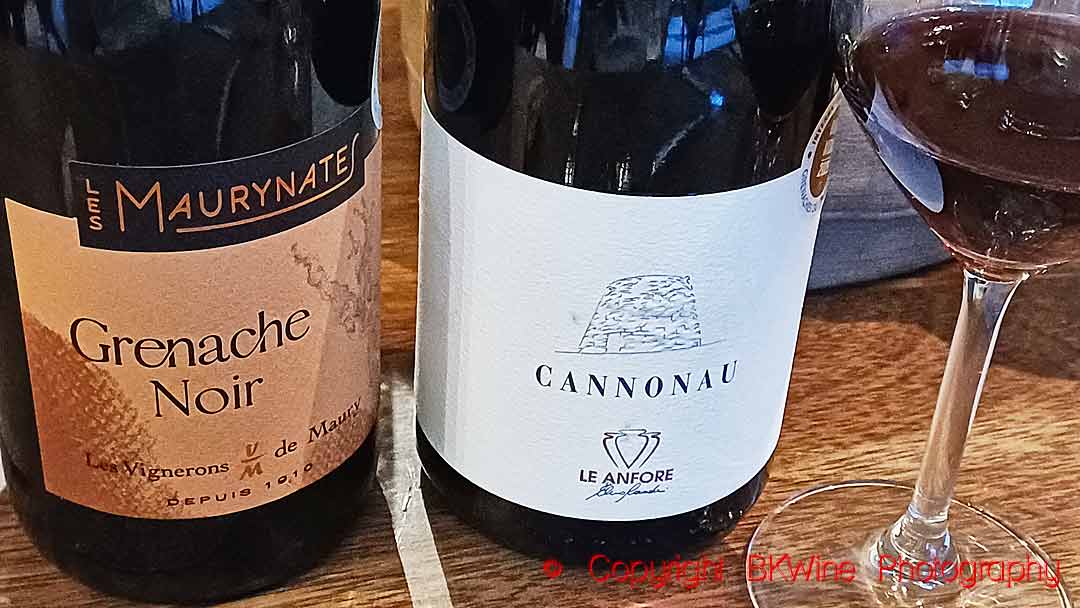
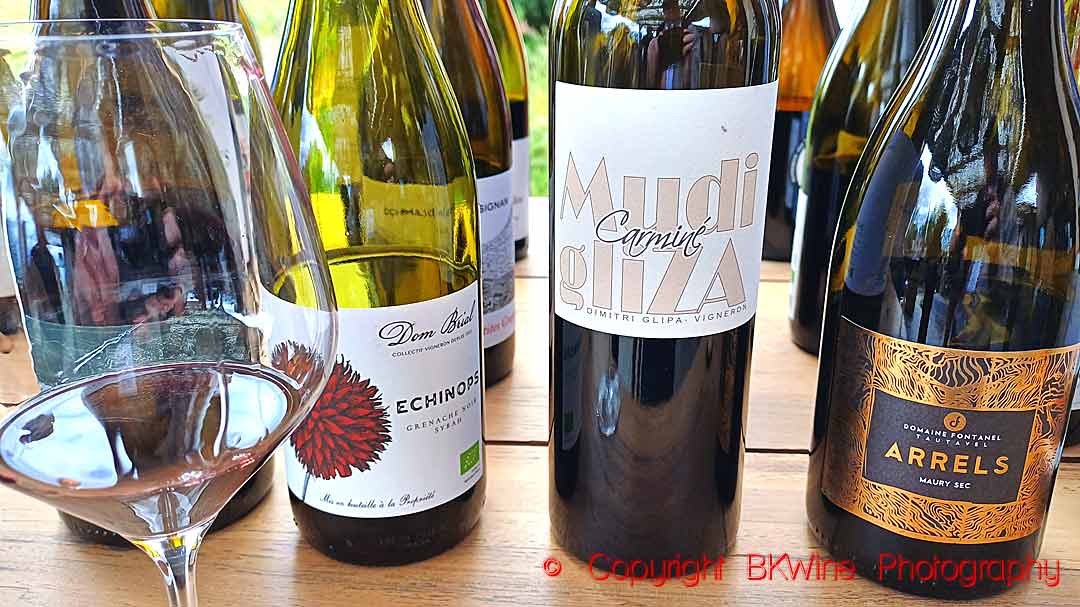
Wines from grenache made in Maury, Roussillon, France
Wines from grenache made in Maury, Roussillon, France, copyright BKWine Photography

Almost as good:

Ramon Andreu Mu—oz, Onze 2024, Terra Alta, Spain, Blanc

Some almond, good full nose, some barrel character and butter but just a hint. The palate is slightly oxidised in style, a character I like, yellow apples, intense.

Bodegas Borsao, Borsao Selecciûn Tinto, 2025, Campo-de-borja, Spain, Red

Dark colour. The nose is a bit shy with dark fruit. The palate is compact and concentrated with quite a lot of tannin. The finish is long with quite ripe fruit at the end.

Bodegas Morca, Flor De Morca, 2024, Campo-de-borja, Spain, Red

Dark colour. In an understated way this is an impressive wine. Although the nose is not very forward and the palate is quite dense it is a delicious wine.

Societ‡ Agricola Sequi Di Luigi Giuntelli, Oje’, 2024, Cannonau-di-sardegna-DOC, Italy, Red

Quite ripe soft cherry fruit on the nose, charming, slightly floral. The palate is mouth-filling with good fruit and a good tannins structure. Balance.

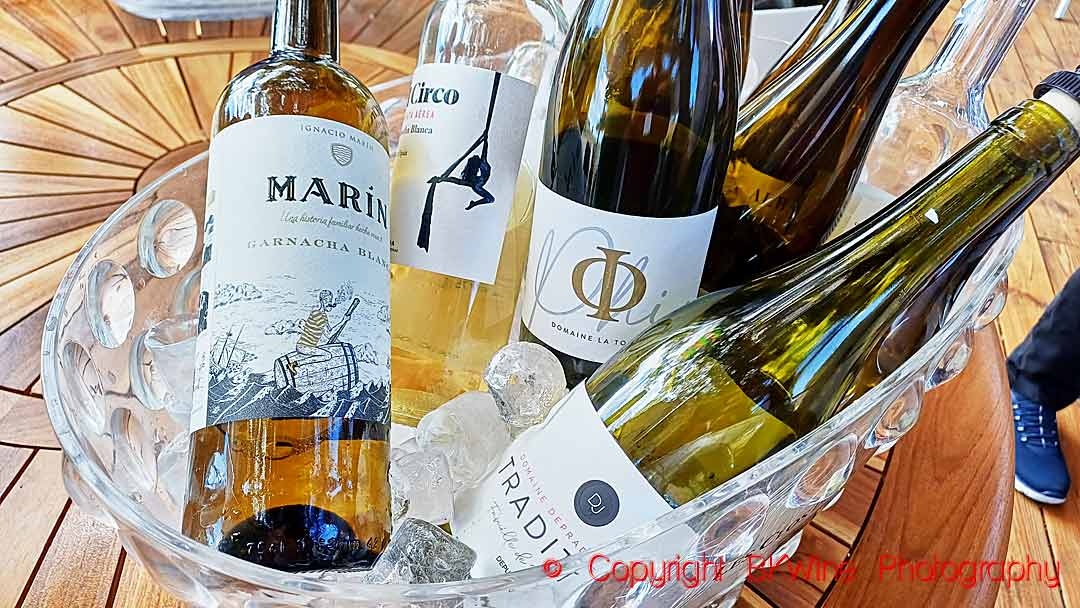
Bottles of white grenache wines
Bottles of white grenache wines, copyright BKWine Photography

S.S. Agricola Viticola 3 C, Cannonau Di Sardegna DOC, Biologico – Senza Solfiti Aggiunti, 2021, Cannonau-di-sardegna-DOC, Italy, Red

Quite elegant nose with ripe cherries. On the palate it is quite light, also with fresh cherry fruit plus some darker, denser fruit, some chocolate (barrels?).

Raices Ibericas S.L., Las Pizarras Vińa Atea, 2023, Calatayud, Spain, Red

Concentrated dark fruit, soft smooth on the nose. On the palate it has good ripe fruit. Very smooth.

Unió Origen SCCL, Perlat Garnatxa DO Montsant, 2024, Montsant, Spain, Red

The nose has good fresh fruit, crunchy cherries, some ripe sweet fruit. The palate is quite intense, lots of good acidity, good structure.

Cellers Sant Rafel, SLL Solpost Garnatxa 2018 Montsant, Spain, Red

On the nose it has some dried fruit, smooth, unusual and interesting. The palate has a good body, some ageing notes, some dried fruit, hot finish with some wood.

Bodegas San Valero S. Coop., Particular Garnacha Vińas Centenarias, 2023, Carinena, Spain, Red

The nose has lots of fruit, ripe cherries. The palate is intense , concentred with lots of fruit. Overall a good balande in spite of the very intense character. Compact.

Old grenache vines in a vineyard in Roussillon
Old grenache vines in a vineyard in Roussillon, copyright BKWine Photography

More wines I’d like to mention:

Agricola I S.C. Terra Alta, SCCL. Caterra Font Calenta Blanc 2025 Terra-alta, Spain, Blanc

Cellers Mariol, SL Casa Mariol Garnatxa Blanca 2025 Terra-alta, Spain, Blanc

Viticultors Bateans SCCL Manyol Blanc Jove 2025 Terra-alta, Spain, Blanc

La Vinicola De Gandesa SL Mas De Sotorres 2022 Terra-alta, Spain, Blanc

Crianzas Y Vińedos Santo Cristo S. Coop. Sierra Collado 2025 Campo-de-borja, Spain, Rouge

Azienda Vitivinicola Ferruccio Deiana & C.sas Sileno 2024 Cannonau-di-sardegna-DOC, Italy, Rouge

Bodegas Langa Hnos. SL Langa Classic 2023 Calatayud, Spain, Rouge

Xucrogas S.A. Ghm Garnacha+carinena 2023 Carinena, Spain, Rouge

Bodegas Paniza Paniza Ancestor’s Garnacha 2022 Carinena, Spain, Rouge

Xucrogas S.A. Finca La Matea 2022 Carinena, Spain, Rouge

Bodegas Carlos Valero Heredad X Tinto 2021 Carinena, Spain, Rouge

Domaine Du Mas Amiel Vintage 2023 Maury-AOP, France, Rouge

Wines that my full jury panel particularly liked

This is in addition to any mentioned above.

Cantina Giogantinu, Bobore 2024, Cannonau-di-sardegna-DOC, Italy, Rouge

Bodegas Augusta Bilbilis Sl, Segeda Garnacha 2022 Calatayud, Spain, Rouge

Celler Masroig I Secció Crčdit, SCCL Pinyeres 2023, Montsant, Spain, Rouge

Mas Mudigliza, Maury 2023, Maury-AOP, France, Rouge, sweet VDN wine

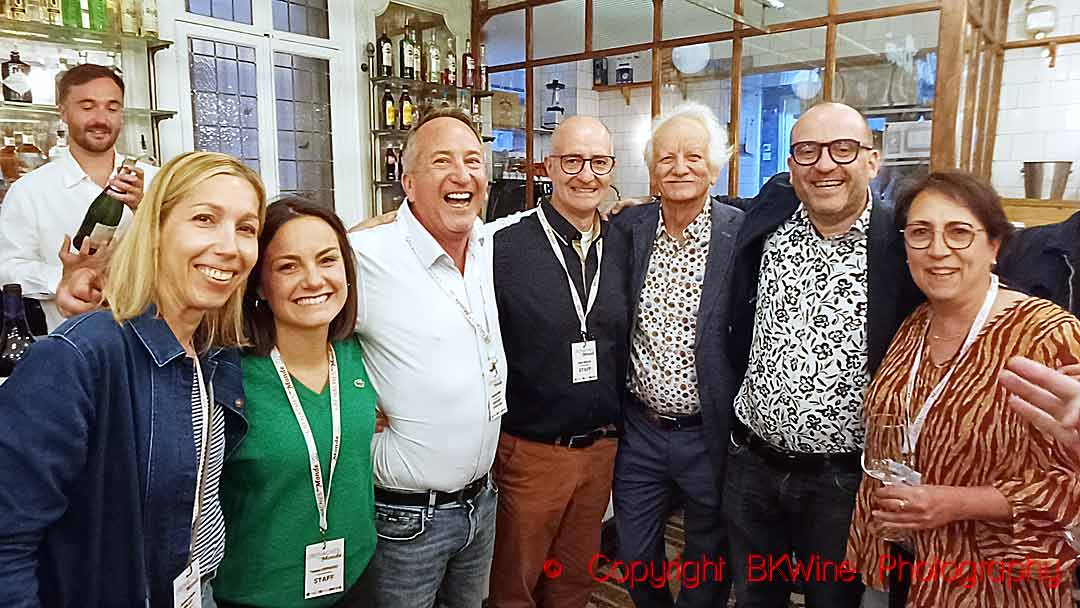
The organisers of the Grenaches du monde after the competition is finished
The organisers of the Grenaches du monde after the competition is finished, copyright BKWine Photography

Best wines from the Grenache du Monde competition

The Grenache du Monde competition is a gold mine for those seeking wines with a distinctly southern feel. It can be reds with warm but not over-ripe fruit and subtle spices, perfect for a summer barbecue or a hearty meal in winter. Or it can be unusual whites that put the emphasis on structure and mouthfeel rather than simple aromatics. You can find the full results from the Grenaches du Monde here.

The wines are ranked by Double Gold Medal, Gold, and Silver. There were twenty Double Golds so it is too long a list to give you all here. Instead, I will simply give you the names of the producers that won double gold, and suggest that you try any wine you can find from any of them.

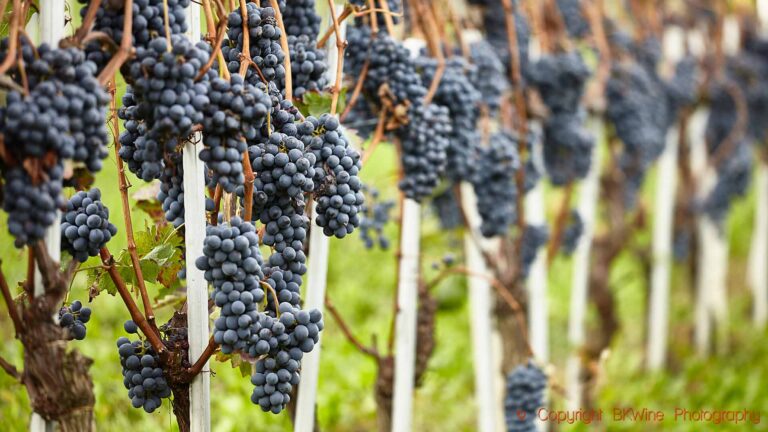
Grenache grapes in a vineyard in the Rhone Valley in France
Grenache grapes in a vineyard in the Rhone Valley in France, copyright BKWine Photography

French Double Gold producers:

  • Chateau Cap de Fouste,
  • Terres de Templiers,
  • Les Vignerons de Maury,
  • Les Vignobles du Terrassous,
  • Cuvons Lajoie,
  • Les Vignerons d’Argeles sur Mer,
  • Maison Albera,
  • Res Fortes,
  • Cave l’Etoile,
  • Vignobles Dom Brial.

Spanish Double Gold producers:

  • Bodegas Mas Alta,
  • Bodegas Morca,
  • Vinos Pinól,
  • Codorníu,
  • Perinet

Italian Double Gold producers:

  • Cantina Santadi,
  • Argiolas,
  • Azienda Agricola Costalunga

There are many more excellent wines to find if you go and take a look at the full results (link above).

Read more on grenache on BKWine Magazine:

Chose your language. Read the article in:

Author:

Author:

Share this post:

Leave a Reply

Your email address will not be published. Required fields are marked *

  Subscribe to comments:

Notify me of followup comments via e-mail. You can also subscribe without commenting.

SUBSCRIBE TO OUR NEWSLETTER!

25,000 subscribers get wine news every month. You too?