Phylloxera – still a threat in the vineyard

Share / Like:

Share / Like:

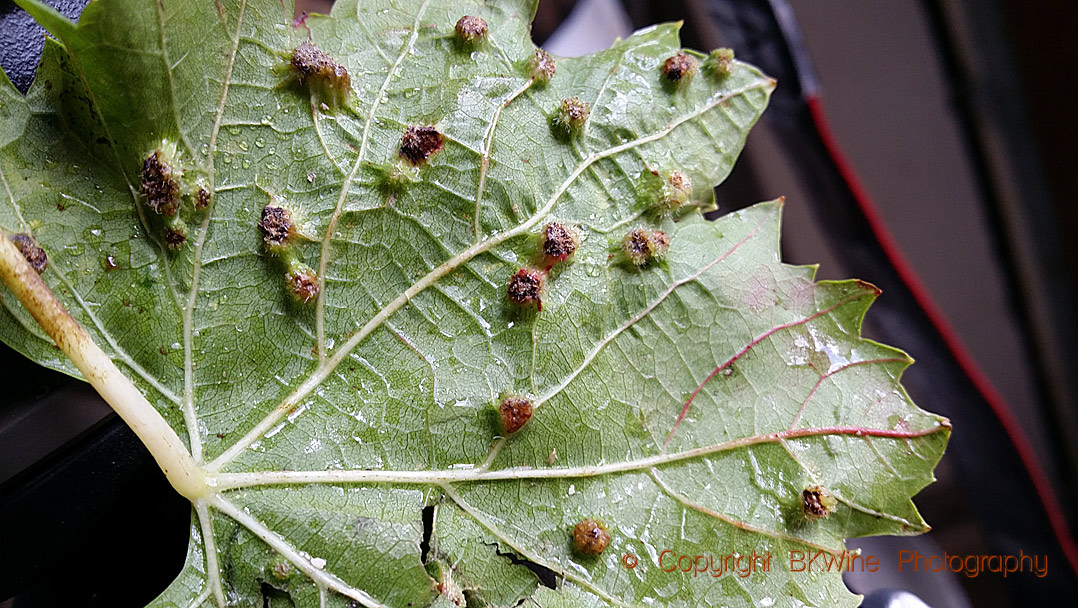
Phylloxera is still a threat, mainly to those vineyards that have chosen not to plant grafted vines but instead graft own-rooted vines. But it turns out that even grafted vines can be at risk.

The small aphid-like insect ravaged vineyards across Europe, starting in France in the 1860s. It came from America, and the solution eventually became grafting European grape varieties onto American vine roots that are immune to phylloxera.

Today, most vineyards around the world are planted with grafted vines to protect against Phylloxera vastatrix, which is by no means eradicated. (The grafted plants survive the louse but it remains in the ground.)

In those parts of the world that are currently spared, people are aware of the risks. Chile is still one of the few major wine-producing countries where no cases of the insect have been officially reported in recent years, and where most vineyards are ungrafted. But the routes of infection are many, not least the movement of people, plants and machinery across borders.

In Australia, strict quarantine measures have limited phylloxera infestations, and some areas are phylloxera-free. However, new areas are regularly affected. In 2019, phylloxera was discovered in the Walla Walla region of Washington. Many local vineyards there had relied on their sandy soil for protection (phylloxera does not thrive in sand) and did not use grafted vines. In 2025, phylloxera first appeared on Tenerife, an island that had previously been spared, maybe thanks to its isolation.

Austrian researcher Astrid Forneck believes that climate change may be changing the behaviour of the phylloxera. Warmer temperatures could lead to earlier spread and higher survival rates of the insect. The trend towards reduced pesticide use may also contribute to higher phylloxera survival rates.

Read more: vinetur

Travel: Come on a wine tour to Chile and Argentina with BKWine.

See: See pictures and videos from Chile and Argentina in the latest wine tour’s Facebook group.

Lujan de Cuyo, Mendoza (Argentina) wine made from pre-phylloxera ungrafted vines planted in 1924
Lujan de Cuyo, Mendoza (Argentina) wine made from pre-phylloxera ungrafted vines planted in 1924, copyright BKWine Photography
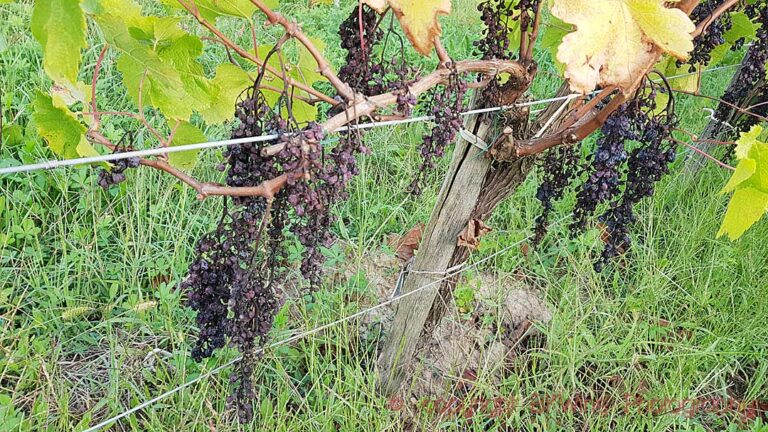
A vine suffering from Phylloxera vastatrix
A vine suffering from Phylloxera vastatrix, copyright BKWine Photography

Chose your language. Read the article in:

Author:

Author:

Share this post:

Leave a Reply

Your email address will not be published. Required fields are marked *

  Subscribe to comments:

Notify me of followup comments via e-mail. You can also subscribe without commenting.

SUBSCRIBE TO OUR NEWSLETTER!

25,000 subscribers get wine news every month. You too?