Nigel Greening of Felton Road on the winery, the climate, and the environment

Share / Like:

Share / Like:

Few wine regions are so welcoming to visitors as New Zealand. That may be because it is far away (from everything). So when you come there, people are very happy that you have made the effort to travel all this way. We have been to Felton Road several times and have met both Blair Walter, the winemaker and co-owner, and Nigel Greening, who bought the winery in 2000. Recently, we had the chance to have a long talk with Nigel, who explained some of the history of the winery and some of the more curious points about the region and the winery. Read on.

The first vines at Felton Road were planted in 1996, yes, not long ago. Even if that isn’t the very beginning of wine production in Central Otago, it was very early in its history.

Wine production does go back much further. Already in the 1860s, at the time of the big gold rush in Otago (yes, gold rush!), there were some vines here — planted by a Frenchman — but it was on a very small scale.

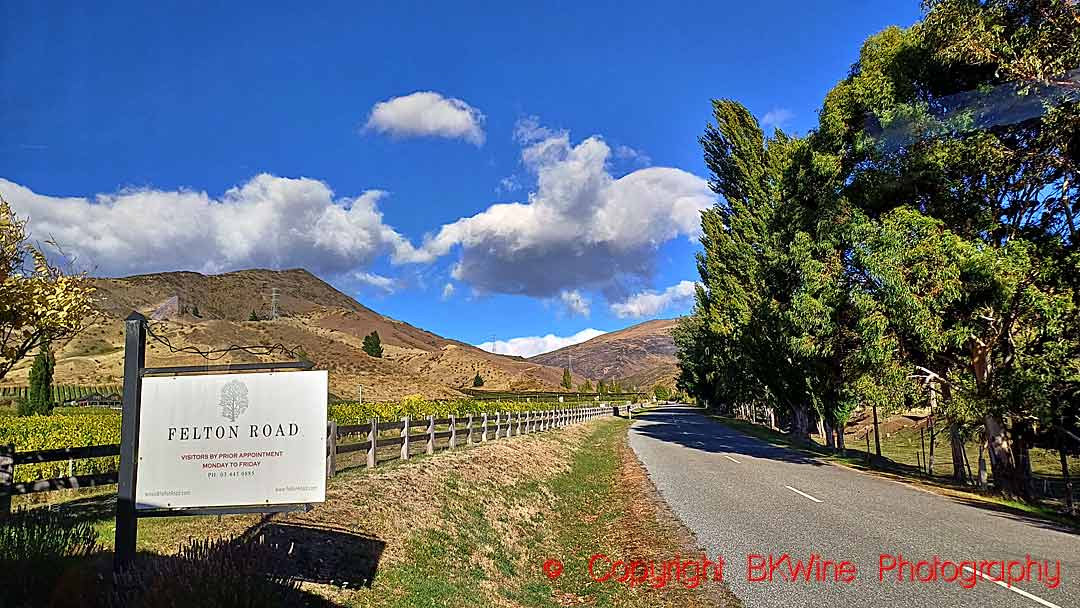
Arriving at Felton Road, Cromwell Valley, Central Otago, New Zealand
Arriving at Felton Road, Cromwell Valley, Central Otago, New Zealand, copyright BKWine Photography

The modern era of wine production in Central Otago started slowly in the 1970s and early 1980s. The first commercially produced wines came out in the second half of the 80s, from Gibbston Valley Winery, Taramea and Rippon. But still only a few thousand bottles.

At Felton Road, the founder, Stewart Elms, planted the first vines shortly after, in 1991. He soon recruited Blair Walter as winemaker, and he produced the first commercial vintage in 1997. In 2000, Nigel Greening, a British entrepreneur, bought the property. Since then, Greening and Walter have developed Felton Road to become one of the most respected wineries in Central Otago, and New Zealand.

At one of our recent wine tour visits to Felton Road, Nigel himself told the story. Join us on the next wine tour to New Zealand, and you can also meet many of the winemaking pioneers in this exciting wine country. You can listen to Nigel in this video:

Central Otago is perhaps the world’s most southerly wine region (of any significant size). Go west from there, and you come to Milford Sound, where it sometimes rains 8 metres (!) in a year. “Milford Sound is the third wettest place on Earth,” Nigel points out. That’s about 120 km away in a straight line or 300 km if you follow a road. It’s about the same distance to the east coast. But here, in the middle of the South Island, the climate is almost like a desert. It is one of New Zealand’s sunniest places (but not the hottest), and it rains very little, only 300-400 mm per year, thus making it one of the country’s driest places.

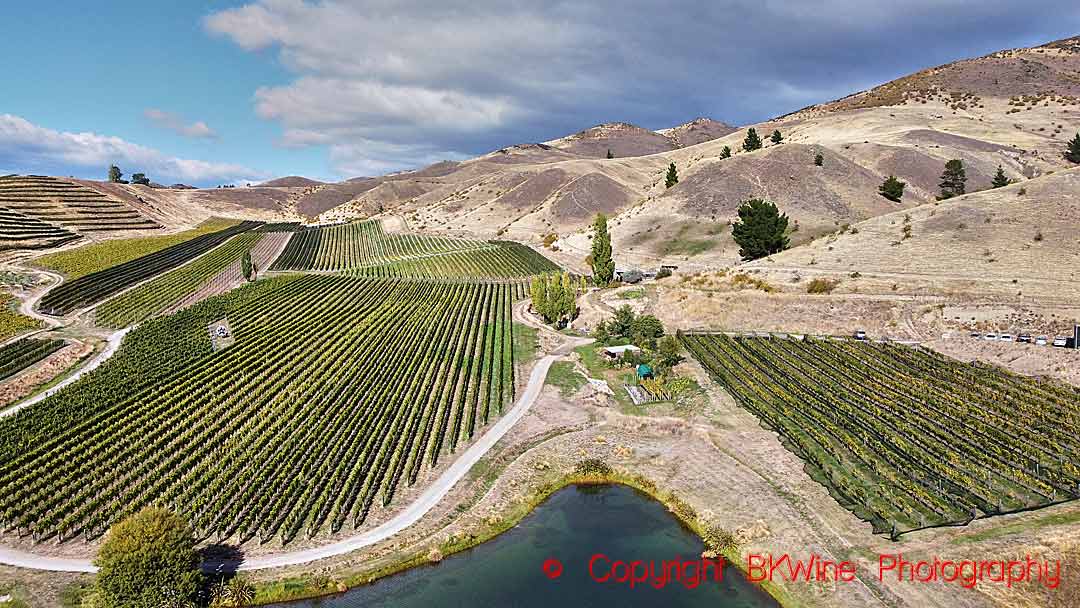
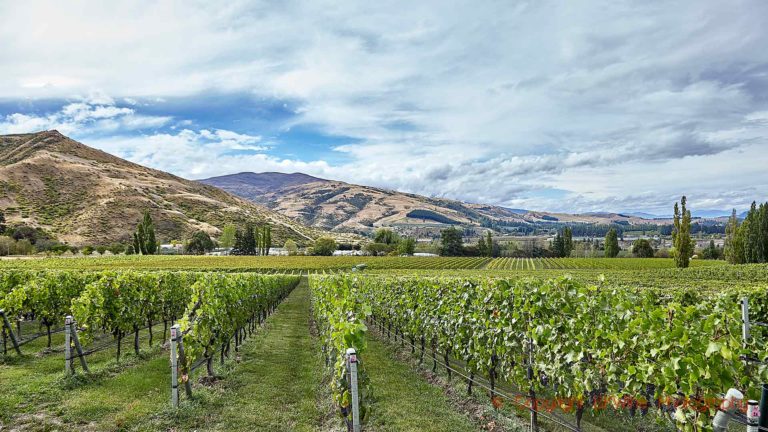
Felton Road is in Bannockburn, in the Cromwell Valley on Lake Dunstan. It faces north, so towards the sun.

When Stewart Elms started planting vines here, the land was almost empty. He did extensive soil studies to determine exactly where to plant and which plots of land were best suited to vines. He was looking for something that could give the same results as Burgundy and concluded that the loess soils in the Cromwell Valley were what he wanted.

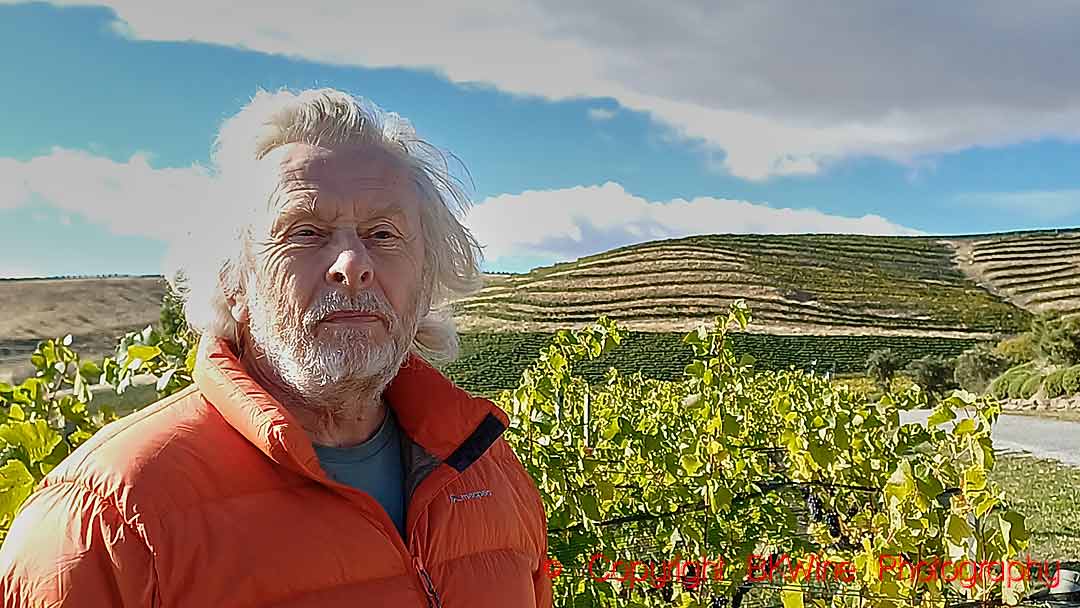
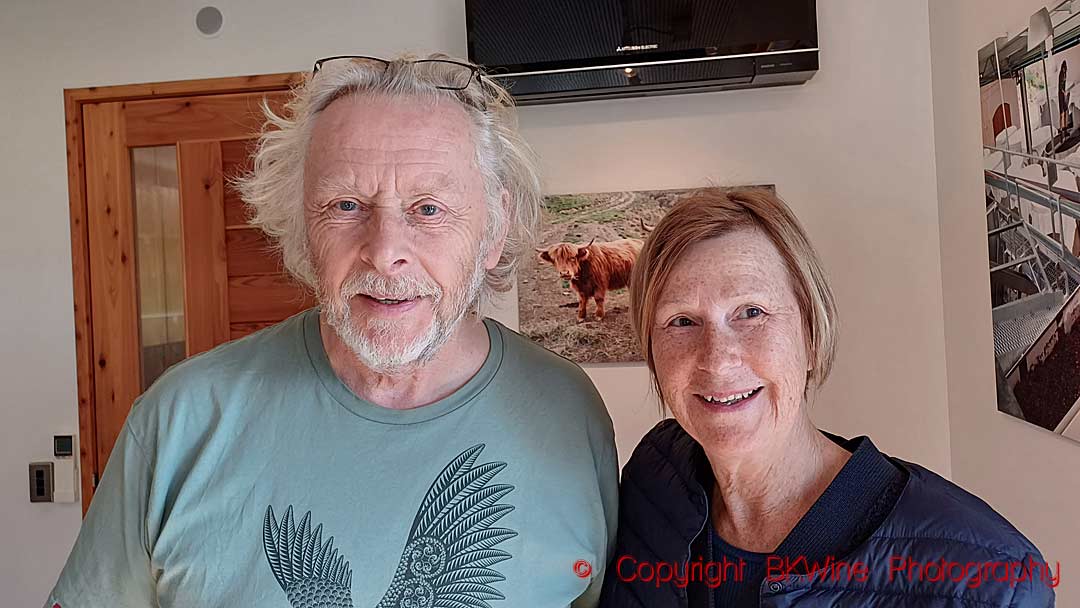
Nigel Greening at Felton Road, Cromwell Valley, Central Otago, New Zealand
Nigel Greening at Felton Road, Cromwell Valley, Central Otago, New Zealand, copyright BKWine Photography

The original plantings in Central Otago included several grape varieties, notably gewurztraminer, which has not quite disappeared but has been overtaken by pinot noir. “There were only ten hectares of pinot noir in Otago when Stewart planted his,” explains Nigel.

Nigel’s first step into the wine world, before buying Felton Road, was a small planting in an area called Cornish Point. That was just a few years later, and by that time there were 70 hectares of pinot noir. Today, Central Otago has over 2000 hectares.

“Today, the estate is closer to 34 ha with 70% pinot noir, 20% chardonnay, and 10% riesling. The vines are about half our land. The other half is hill country. We run the entire estate as a biodynamic farm with goats, chickens, cattle – highland cattle, the long-haired beasts, living up in the hills,” says Nigel.

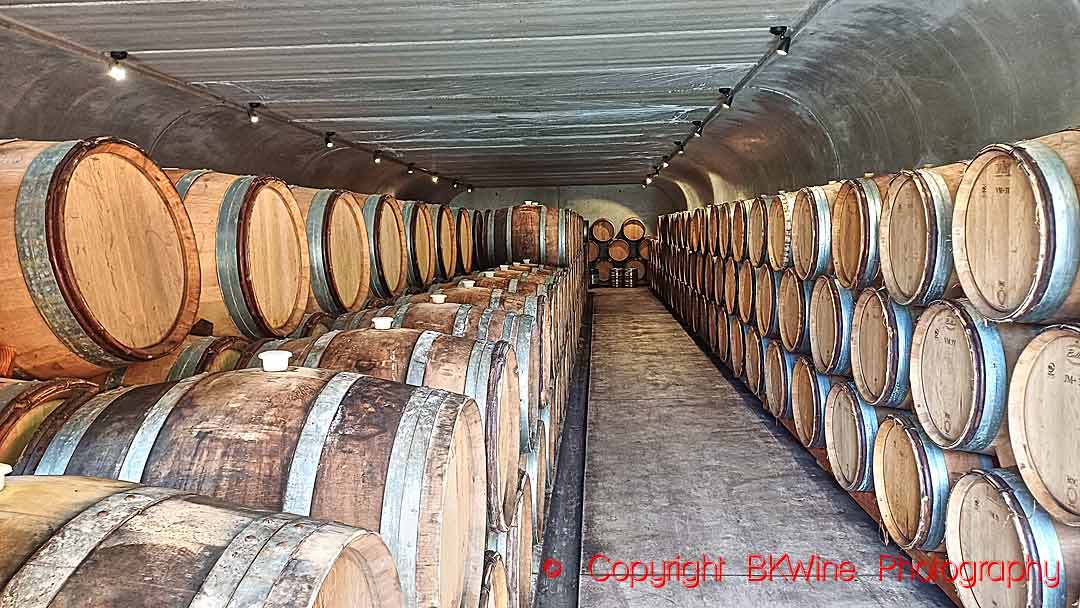
The barrel cellar at Felton Road, Cromwell Valley, Central Otago, New Zealand
The barrel cellar at Felton Road, Cromwell Valley, Central Otago, New Zealand, copyright BKWine Photography

Organics and biodynamics

The farm, not under vine, serves as a complementary ecosystem, generates enough compost for the vines, and produces enough food for everyone who works there. (Read more about composting in this article from Marlborough in New Zealand: Wines Made With Cow Shit, Not Bullshit: Inside Te Whare Ra’s Compost in Marlborough NZ.)

They have worked organically since 2001 and biodynamically since 2003. Nigel explains about the biodynamics, “Both Blair and I were fairly suspicious of a lot of the things in the Rudolf Steiner lectures. Neither of us were great believers in secret cosmic forces and things like this. But Steiner had two or three ideas that for his time were unique and were way ahead of most people’s thinking. He was the first person to suggest that as a farmer you have to consider all your land as ‘an integrated life force’ – an ecosystem. Everything on your land is connected into ‘a single body’ and you can’t consider anything in isolation. He also was the first person to suggest that what goes on under the surface may be more important than what we see above.”

Steiner’s third point that Nigel picked up was that he was concerned about the development of chemical fertilisers and machine tools that came after the First World War was a menace to nature, or as Nigel puts it, “the arrival of these powerful tools changes your mindset from being … someone who is trying to understand and work with the land to someone who says, ‘I am the dictator and ruler, I can tell you what to do, and you will obey me’.”

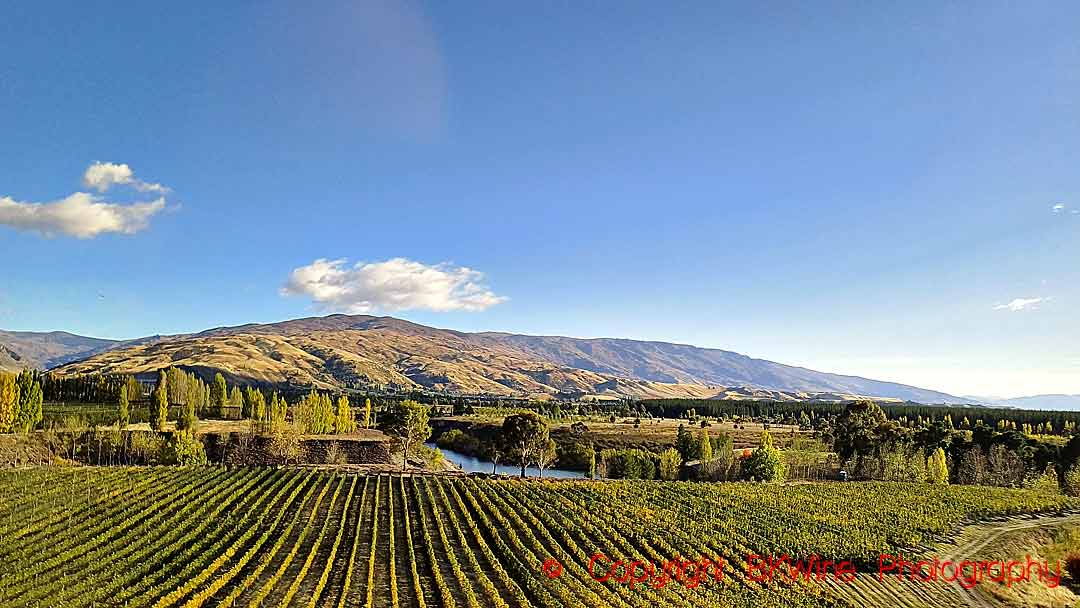
The landscape at Felton Road, Cromwell Valley, Central Otago, New Zealand
The landscape at Felton Road, Cromwell Valley, Central Otago, New Zealand, copyright BKWine Photography

Felton Road’s private Air Force

Nigel tells a story that illustrates how things in nature are linked, and everything has to do with everything. Some years back, Gareth, the vineyard manager, decided to plant peas between the rows. Peas are legumes; they bind nitrogen, which is then released to the soil and functions as a natural fertiliser. Pigeons like peas, so after four weeks there were plenty of pigeons in the vineyard feasting on all the peas. And four weeks later, they discovered that native falcons had arrived. Nigel had never seen wild falcons there before, but now they had returned. Falcons like pigeons… (And maybe once upon a time there might have been plenty of falcons here – one winery further along the river is called Peregrine, named after the falcon.)

One “pest” that often causes problems in New Zealand vineyards is birds. Birds that eat the grapes. Falcons are not too picky about what kind of birds they eat, pigeons or other, so the added benefit of the peas was that they had fewer problems with birds eating grapes.

As Nigel puts it: “At harvest, we always have a problem with birds eating fruit. You work out when to plant the peas, and then about four weeks before harvest, the pigeons arrive to eat the peas. And just as the birds are trying to eat the grapes, the falcons come to hunt the pigeons. And you have a private air force… keeping the birds off your grapes. It’s biodynamics. Okay, it’s not cosmic forces. It is learning your ecosystem and how you work with your ecosystem instead of fighting.”

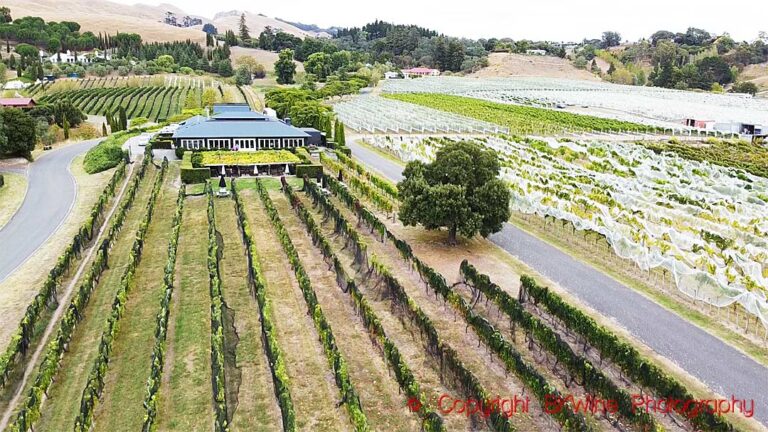
Felton Road vineyards and hills, Cromwell Valley, Central Otago, New Zealand
Felton Road vineyards and hills, Cromwell Valley, Central Otago, New Zealand, copyright BKWine Photography

The pinot noir at Felton Road – the abel clone?

A legendary story tells how the famous abel clone of pinot noir came to New Zealand – a convoluted smuggling affair that you’ll hear when you come to New Zealand. Many top estates are proud of their abel clone pinot, since it is said to come from the famous Romanée-Conti vineyard in Vosne-Romanée.

And so was Felton Road. Until one of the most famous Burgundy producers, Jean-Nicolas Méo of Domaine Méo Camuzet came to visit. Nigel showed him his famous abel pinot noirs, but Jean-Nicolas Méo’s reaction was, “No, this is not abel”. He continued, “I know exactly what this is, but it’s not a Romanée Conti… (…) I don’t think there’s any of it in Romanée Conti. It’s in La Tâche and it’s also in Richebourg.” Certainly nothing to be ashamed of… It also means that the Felton Road clone is different from most other pinot in New Zealand.

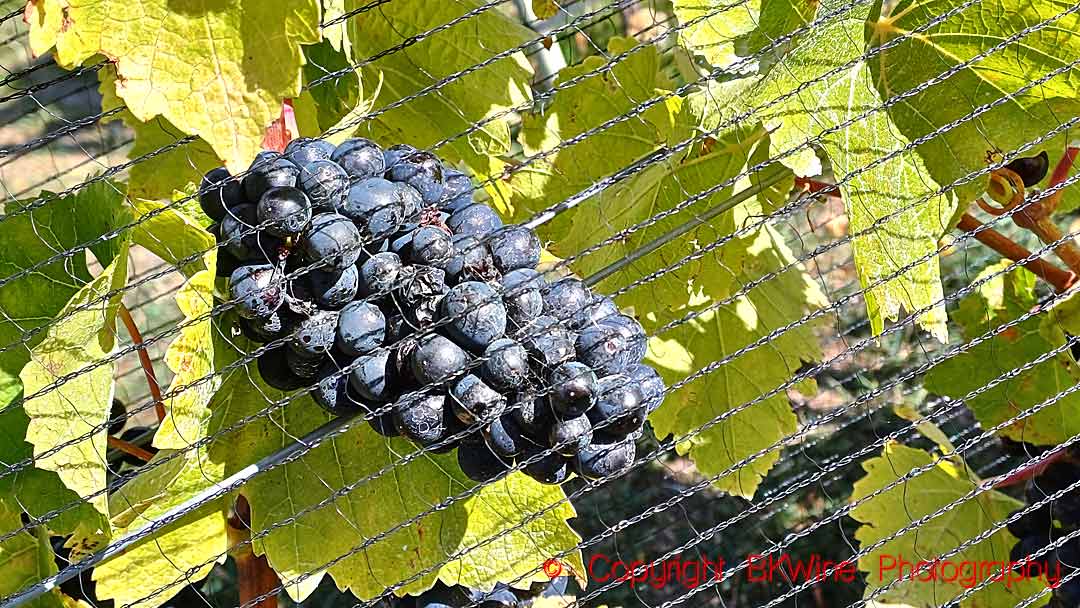
Pinot noir under bird nets at Felton Road, Cromwell Valley, Central Otago, New Zealand
Pinot noir under bird nets at Felton Road, Cromwell Valley, Central Otago, New Zealand, copyright BKWine Photography

Moving from organic to regenerative

Today, Felton Road continues exploring new, potentially more environmentally friendly ways of working. They have embarked on the path of “regenerative” agriculture. The main difference, according to Nigel, is that in a regenerative regime they are not allowed to plough or turn the soil. Ploughing and turning the soil releases a lot of carbon dioxide, which is the reason for this rule.

This creates a problem for planting the cover crop and keeping it in check so it does not grow too much.

They use a special machine to put the seeds in the ground. It is a kind of seed drill with small curved blades that can insert seeds without turning the soil.

If weeds (or peas, or grass) become too much, they use another special machine to avoid ploughing the weeds. This is called a “crimper”. It is a heavy roller with blunt blades on it that breaks the stems instead of cutting or turning over. This also helps build up organic material in the soil. Or in Nigel’s words: “It’s blunt but heavy, and so it just crushes. It’s a roller with sharp little ridges on. It just crushes them. So it stops them growing, but doesn’t cut them, so they don’t blow away.”

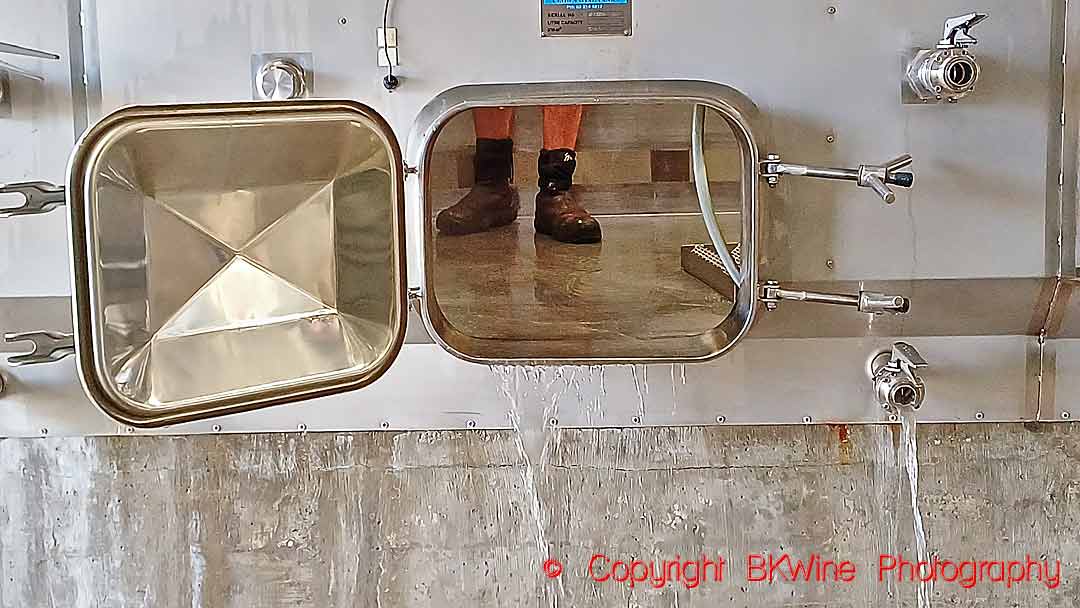
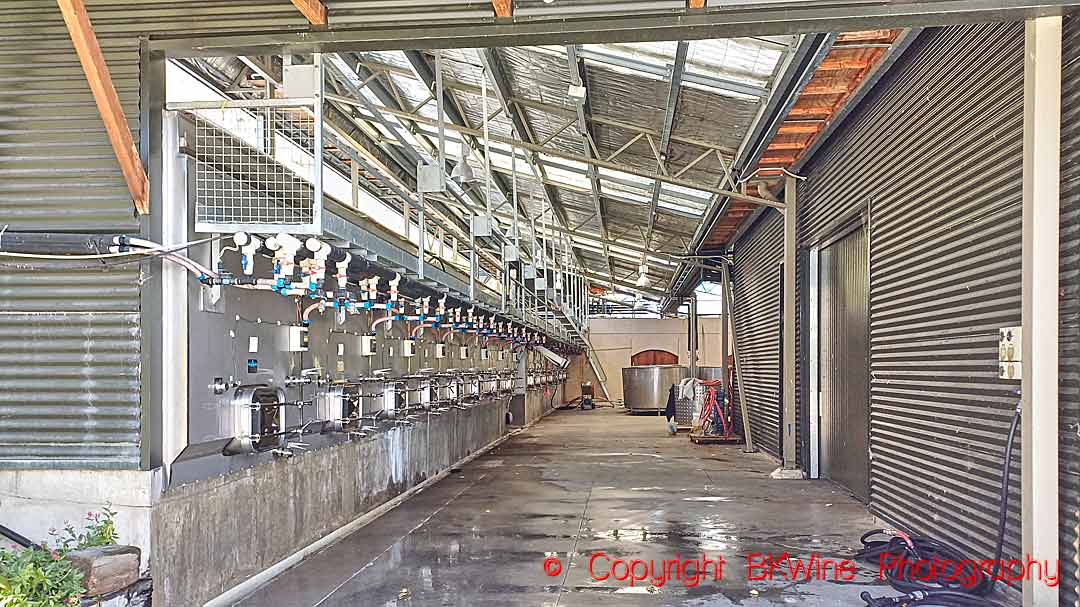
Washing the tank at Felton Road, Cromwell Valley, Central Otago, New Zealand
Washing the tank at Felton Road, Cromwell Valley, Central Otago, New Zealand, copyright BKWine Photography

Underground irrigation

Some say irrigation is bad; if you irrigate, you make inferior wine. That may be true if you use water to inflate the grapes and dilute the juice. However, in a climate next to a desert, irrigation can be necessary and may be the only way to produce quality wine in reasonable quantities.

At Felton Road, they use a system of underground irrigation: plastic pipes with small holes that run along the vines a few decimetres down and deliver just enough water to keep the vines happy.

Climate action and carbon audit

They are both ISO 14064 certified and members of IWCA. ISO 14064 (“16064”) is an ISO standard for carbon auditing. The IWCA is short for International Wineries for Climate Action, an association for wineries engaged in climate action.

This means, among other things, that they track the carbon emissions of everything they do using the Scope 1, Scope 2, and Scope 3 model, which includes both direct carbon emissions and indirect emissions caused by their activities. For example, if you visit Felton Road, your trip there will generate carbon emissions, which will be included in their carbon emissions calculations.

And on top of all this, they also make some excellent wine. You can read about it in our previous article on Felton Road with an interview with the winemaker and co-owner Blair Walter: Felton Road: quality Pinot Noir from Central Otago, New Zealand | Britt on Forbes.

Read more: If you want to know more about carbon audits and, in general, about sustainability, organics, and biodynamics, you can read our very soon-to-be-released new book: “Making wine sustainable”, available in October. (It’s working title was “Wine For The Future”.)

Travel

The best way to discover the true soul of wine from New Zealand is to go there. Explore the magnificent wines and wineries from the country on a wine tour to New Zealand with BKWine.

Travel to the world’s wine regions with the wine experts and the wine travel specialist.

Wine tours that give you insight. BKWine wine tours.

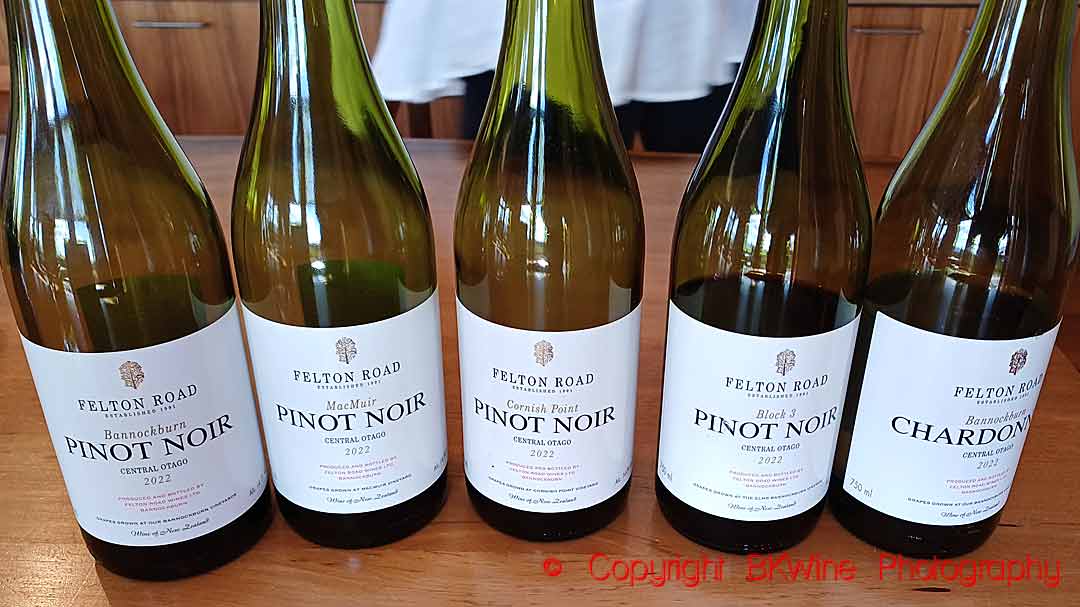
Tasting at Felton Road, Cromwell Valley, Central Otago, New Zealand
Tasting at Felton Road, Cromwell Valley, Central Otago, New Zealand, copyright BKWine Photography
Nigel Greening, owner of Felton Road Wines in Central Otago, New Zealand and Britt Karlsson, BKWine
Nigel Greening, owner of Felton Road Wines in Central Otago, New Zealand and Britt Karlsson, BKWine, copyright BKWine Photography
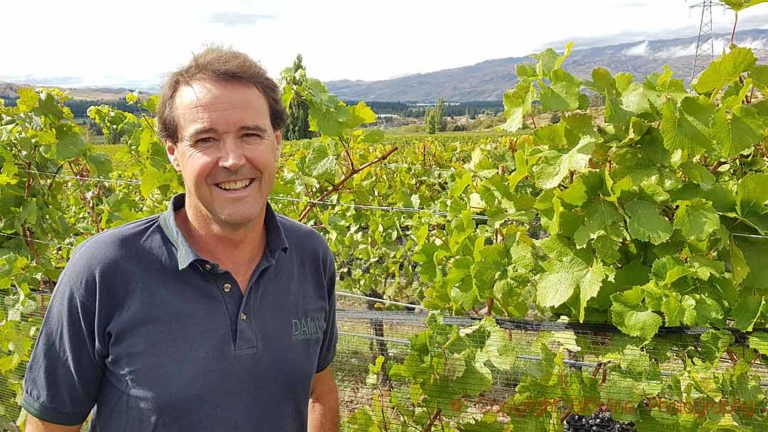
Blair Walter, winemaker at Felton Road Wines, Central Otago, New Zealand
Blair Walter, winemaker at Felton Road Wines, Central Otago, New Zealand, copyright BKWine Photography

Chose your language. Read the article in:

Author:

Author:

Share this post:

Leave a Reply

Your email address will not be published. Required fields are marked *

  Subscribe to comments:

Notify me of followup comments via e-mail. You can also subscribe without commenting.

SUBSCRIBE TO OUR NEWSLETTER!

25,000 subscribers get wine news every month. You too?