Can you know too much about something? Probably not — knowledge is almost always a positive thing. On the other hand, you must learn how to handle your knowledge, for example, by cultivating a flexible and critical mindset. You need to realise that everything you’ve learned does not apply everywhere, and not all the time.
This is especially true in the world of wine. Of course, there are hard facts you simply memorise, just like when you studied grammar in school. The sugar level in a Brut Champagne is a maximum of 12 grams per litre, and there are five Bordeaux châteaux classified as Premier Grand Cru Classé in 1855. No debate there.
But much of the wine world is vague, nuanced, and full of generalisations.
–
Calling all wine lovers:
Do you know someone who might be interested in a wine tour?
Please tell them about BKWine Wine Tours! We do wine tours like no other.
A leading wine tour operator since more than 20 years.
Thank you in advance for your help and support!
(If you have Swedish friends, please know that we have a separate,
more extensive travel program in Swedish: BKWine Vinresor.)
–
We often say “it depends”, and it applies to almost everything in viticulture and winemaking. Many wine courses probably still teach that high-density planting is best, slopes are best, hand‑harvesting is best, old vines are best, low yields are best. But the truth is that none of these things is a universal truth. In every case, it depends on the circumstances. Sometimes these things are better, but sometimes they are not.
Economic reality plays a major role. Take high-density planting as an example. Every vine requires a certain amount of work throughout the year. The more vines you have, the more labour you need — and the more expensive the wine becomes. But not everyone can charge high prices for their wines. And it is by no means guaranteed that the wine becomes better simply because the vines are planted more densely. The same goes for yield. In autumn, when the grape bunches hang ready to be picked, people sometimes ask me: “Why are there so many bunches per vine? I’ve learned there should be far fewer.” Well, that too depends. Too few bunches can make the wine unbalanced or overly dense. And perhaps not at all the style customers actually want.
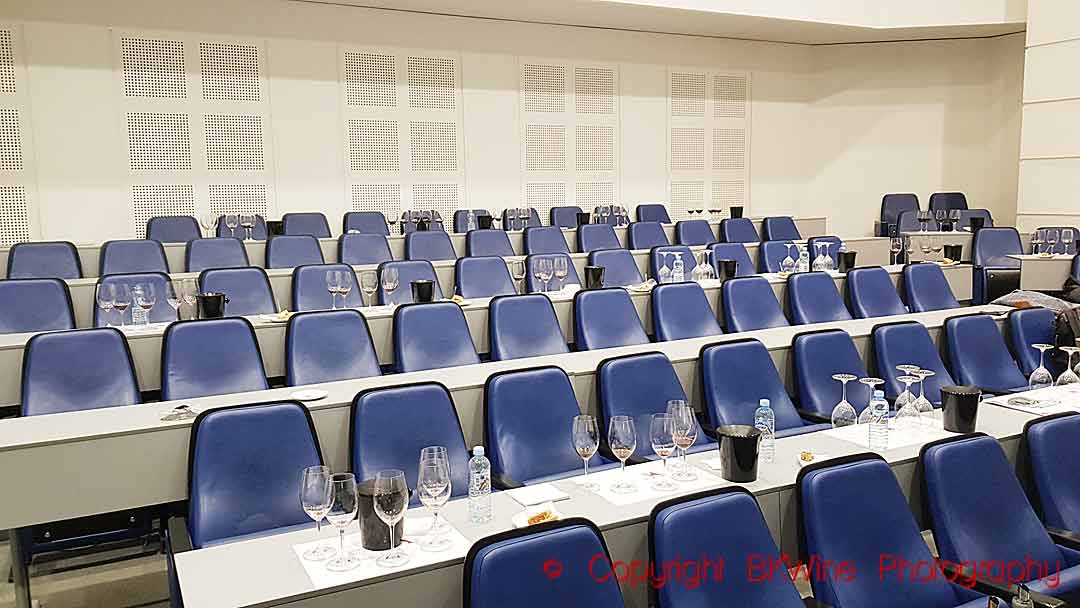
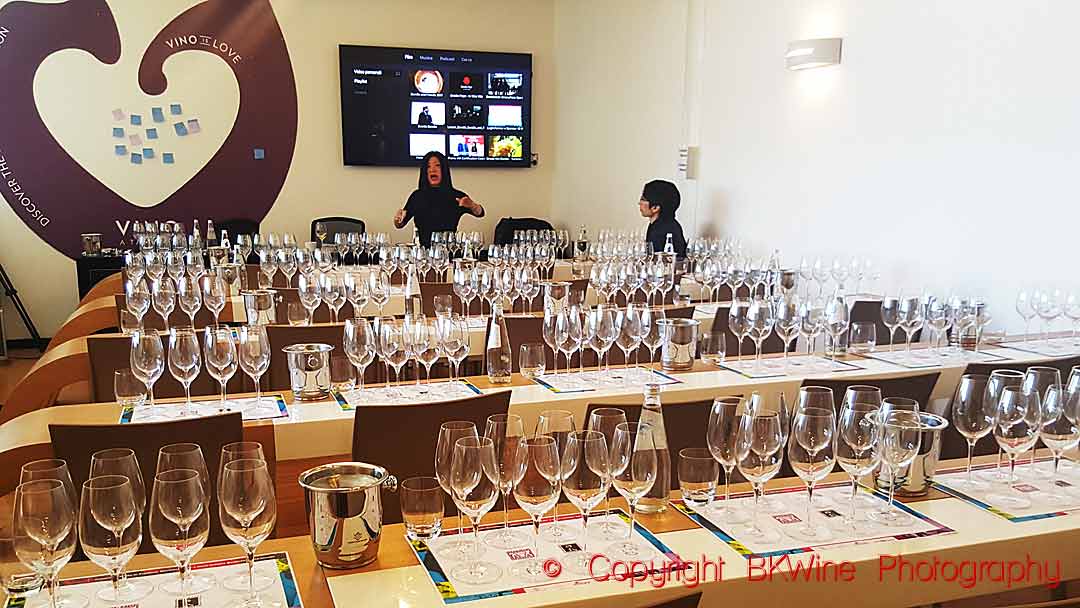
Many wine courses are far too dogmatic. “This is how it is.” In our book on wine growing and wine making this is a key message. It depends! The risk with wine education is that you learn “this is how it must be,” which is why a flexible mindset is so important once you graduate and get your diploma.
The greatest risk, however, is being taught that “this is how the wine should taste” — for example, “this is how a sauvignon blanc tastes”, or a syrah. A Sancerre is how sauvignon blanc should taste: nettles, elderflower… or if you want an exaggerated example, you choose one from New Zealand. But no. Per recently served on the tasting jury at the international competition Sauvignon Selection by CMB, with around a thousand sauvignon wines from all over the world. There is an enormous range of styles. For example, some excellent oak‑aged sauvignon blancs from Styria in Austria — far from both Sancerre and Marlborough, yet absolutely delicious. Or some wonderfully tasty “SBs” that were slightly oxidative in style. But a sauvignon from 2024 shouldn’t be oxidative, one might object. Why not? If it tastes good? If the winemaker and the consumer want that style?
Or take syrah. The archetype of classic syrah is the northern Rhône — Hermitage and Côte Rôtie — with leather, spice, violets, asphalt and so on. But travel only as far as Languedoc and you’ll find syrah that tastes very different. Or travel to New Zealand, and you’ll experience yet another expression: fresh, juicy, vibrant — not at all like the northern Rhône, and certainly not worse for it. Another example is cabernet franc, which we’ve been taught has green, herbal notes and often bell pepper, as illustrated by Chinon. But Chinon has changed dramatically, and in Chile cabernet franc is something else entirely. This you can experience, for example, at Viña Maquis in Colchagua (on our South America wine tour), they make one of the world’s finest cabernet francs — at least according to many critics — yet not particularly herbal or peppery.
Didactic teaching can easily turn into narrow‑mindedness about how wines “should” taste.
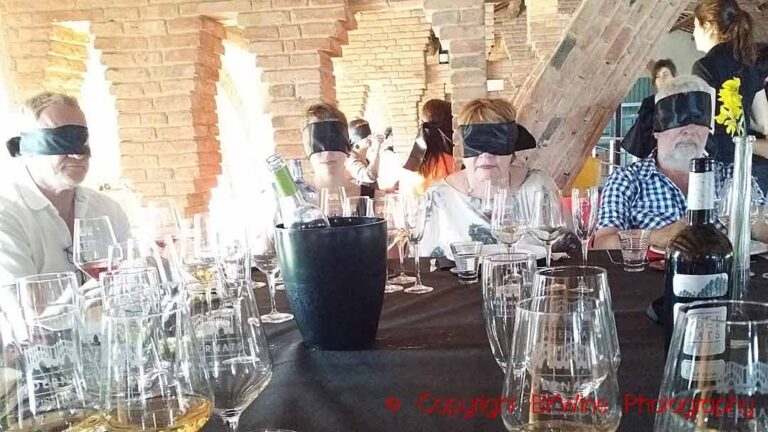
Another risk of studying on wine courses is to “over‑analyse” wine, which leads you to find faults; you reckon the wine is thin, lacks finish, lacks aroma — when in fact it might be an excellent wine if you simply drank it and enjoyed it.
Perhaps the best approach is what several winegrowers have told me: they complete their education, then start working, and do the exact opposite of what they were taught.
But certainly learning is valuable, not least because it allows you to make your own decisions more confidently. If you want to — and dare to.
Travel
Now it’s time to plan your trip for this year and next.
In the fall/autumn we do Bordeaux, Burgundy and Champagne.
We have also launched the two first winter wine tours, to Chile-Argentina and to South Africa. The one to New Zealand will come soon. They are already starting to fill up, so contact us now if you are interested!
More info on our wine tours here. “World’s Top Wine Tours“. Tours with the people who know wine and who have an unrivalled experience of wine and tours.
Travel in wine regions with someone you trust.
Enjoy the Brief!
Britt & Per
Wine editors to the national encyclopedia, Forbes.com contributors, award-winning wine book authors, wine tour advisors to the UN and national wine organisations, wine judges … and, above all, passionate wine travellers.
If you appreciate what we do, you can help us: Tell your friends about the Brief or send it to them.
Like us and follow us on social media:
BKWine Magazine on Facebook | Wine Tours on Facebook
Twitter | Instagram | Linkedin | YouTube