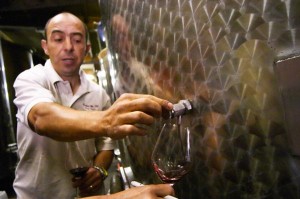
Soon we will have organic wines
On February 8 the EU agreed the rules for organic vinification paving the way for “organic wine” The member countries in the European Union have finally (on February 8 ) voted for an agreement concerning

On February 8 the EU agreed the rules for organic vinification paving the way for “organic wine” The member countries in the European Union have finally (on February 8 ) voted for an agreement concerning
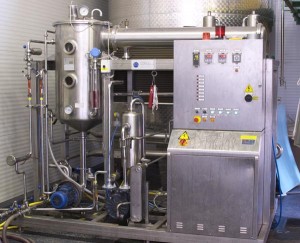
Less is not always more when it comes to alcohol in wine Apparently there is a huge interest in the world for wines with low alcohol contents. On www.decanter.com we read about a report by
New rules for labelling and additives in wine All pre-packed food products must state on the label if they contain possibly allergenic products. So far, wine has been exempted from this rule. But only for
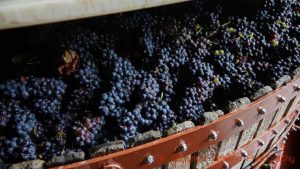
Winemaking and styles for the world’s most famous sparkling wine There will be millions of bottles of champagne drunk during the Christmas and New Year festivities. Of course, all sparkling wine that will be drunk
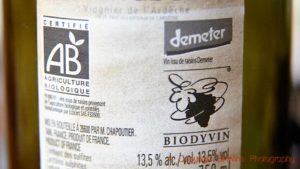
There has recently been a curious “debate” on one of the major Swedish wine blogs on what is “the stongest wine in the world”, naturally fermented, excluding fortified wines. It started some time back with

One of the things that contribute to the ageing of wine is oxygen. Aging is, partially, a slow oxidation of the wine. It leads to changes in the flavour and aromas and it also changes
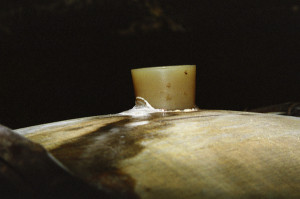
There are many different types of microbes (minuscule organisms) that contribute to making the wine into what it is. Many of them are desirable and even essential to the making of a wine. some only
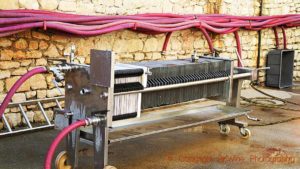
Almost all wines (counted in volume) are filtered in one way or another. There are a few wine producers who do not filter their wines. There are also wine enthusiasts who are convinced that unfiltered
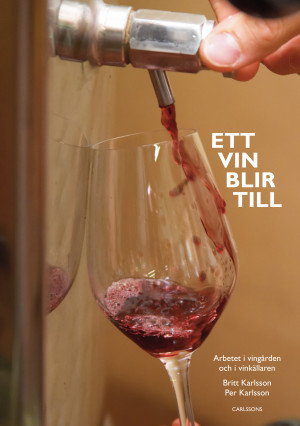
We have just been awarded the prize “World’s Best Wine Book for Professionals” by the Gourmand World Cookbook Awards in Paris. The competition showcases leading cookbooks and wine books from all over the world. Our
Since quite a few year it has been forbidden to use the expression “methode champenoise” on sparkling wines made with a second fermentation in the bottle. In the future we may instead see “methode provencale”.
In the last Brief we were proud to announce that we had won the prize for The Best Wine Book of the Year in Sweden for our book on vine growing and winemaking (original title
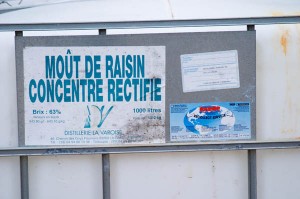
Diluted wine or fruity wine? Must concentration – what should or should you not do? Boil the must in a vacuum? If it rains just before the harvest you risk getting a diluted must. The
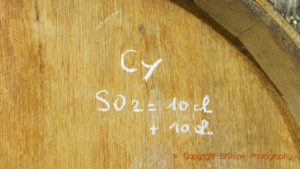
There is a (very small) trend today among certain wine makers not to use any sulphur at all during the winemaking. Sulphur is used by virtually all wine producers, for example to stabilise the wine
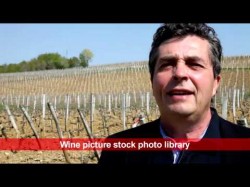
Interview (part 2) with Denis Dubourdieu. Denis Dubourdieu is a wine consultant and wine maker, as well as a professor in oenology at the University of Bordeaux. Part 2 of a two part interview. We
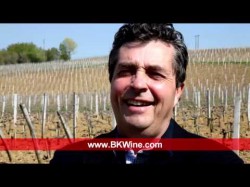
Denis Dubourdieu is one of the world’s best known wine consultants. He is perhaps to modest to call himself ‘flying winemaker’ and does not really boast his various assignments. BKWine met with him at one
There will be no new rules on what is meant by organic (biologique / ecologic) wines in the EU. Today, the only thing that a wine producer formally can say is that his wine is
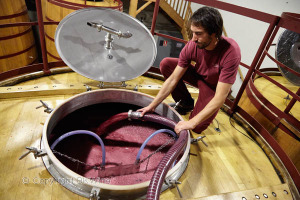
Extracting more by spraying the cap — “Pumping over” (called remontage in French) is a technology used in the winery to increase extraction. The winemaker performs it by emptying fermenting must from the bottom of
We have started a series of wine growing and wine making slide shows to show more details on how some things are done. The intention is to illustrate some aspects of wine making or growing
When talking to producers it is much more clear: they frequently say that they want to emphasise the fruit and avoid masking it with oak. They cut down on the portion of new oak used.
We think this is a trend but we’re not quite sure. Many people talk about this: less oak in the wine, but …. when you make a show of hands after a wine tasting to
In our (recently started) series of galleries on slightly more technical issues around vine growing and wine making, and not just pretty grapes or beautiful chateaux, we have just published our second slide show. The
Everyone knows that the tannins in the grape skins are “good”: softer, riper, more harmonious. The grape pip (seed) tannins are “bad”: more aggressive, harsher, and more difficult to integrate in the wine. That is,
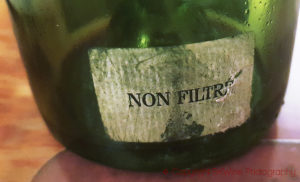
Our piece on filtering wine (is it good or bad? – in view of today’s trend of boasting “unfiltered” on the label) a while back sparked a comment from a reader. (Comments are always welcome!)
It is very common that wine is filtered before bottling. There are even oenologists who say that any winemaker who does not filter is irresponsible and careless. In the opposite corner we have the crowd
The World Atlas of Wine Hugh Johnson, Jancis Robinson 6th edition Mitchell Beazley If you should have only one wine book then this is it. First published in 1971 and since long a classic (we
On February 8 the EU agreed the rules for organic vinification paving the way for “organic wine” The member countries in the European Union have
Less is not always more when it comes to alcohol in wine Apparently there is a huge interest in the world for wines with low
New rules for labelling and additives in wine All pre-packed food products must state on the label if they contain possibly allergenic products. So far,
Winemaking and styles for the world’s most famous sparkling wine There will be millions of bottles of champagne drunk during the Christmas and New Year
There has recently been a curious “debate” on one of the major Swedish wine blogs on what is “the stongest wine in the world”, naturally
One of the things that contribute to the ageing of wine is oxygen. Aging is, partially, a slow oxidation of the wine. It leads to
There are many different types of microbes (minuscule organisms) that contribute to making the wine into what it is. Many of them are desirable and
Almost all wines (counted in volume) are filtered in one way or another. There are a few wine producers who do not filter their wines.
We have just been awarded the prize “World’s Best Wine Book for Professionals” by the Gourmand World Cookbook Awards in Paris. The competition showcases leading
Since quite a few year it has been forbidden to use the expression “methode champenoise” on sparkling wines made with a second fermentation in the
In the last Brief we were proud to announce that we had won the prize for The Best Wine Book of the Year in Sweden
Diluted wine or fruity wine? Must concentration – what should or should you not do? Boil the must in a vacuum? If it rains just
There is a (very small) trend today among certain wine makers not to use any sulphur at all during the winemaking. Sulphur is used by
Interview (part 2) with Denis Dubourdieu. Denis Dubourdieu is a wine consultant and wine maker, as well as a professor in oenology at the University
Denis Dubourdieu is one of the world’s best known wine consultants. He is perhaps to modest to call himself ‘flying winemaker’ and does not really
There will be no new rules on what is meant by organic (biologique / ecologic) wines in the EU. Today, the only thing that a
Extracting more by spraying the cap — “Pumping over” (called remontage in French) is a technology used in the winery to increase extraction. The winemaker
We have started a series of wine growing and wine making slide shows to show more details on how some things are done. The intention
When talking to producers it is much more clear: they frequently say that they want to emphasise the fruit and avoid masking it with oak.
We think this is a trend but we’re not quite sure. Many people talk about this: less oak in the wine, but …. when you
In our (recently started) series of galleries on slightly more technical issues around vine growing and wine making, and not just pretty grapes or beautiful
Everyone knows that the tannins in the grape skins are “good”: softer, riper, more harmonious. The grape pip (seed) tannins are “bad”: more aggressive, harsher,
Our piece on filtering wine (is it good or bad? – in view of today’s trend of boasting “unfiltered” on the label) a while back
It is very common that wine is filtered before bottling. There are even oenologists who say that any winemaker who does not filter is irresponsible
The World Atlas of Wine Hugh Johnson, Jancis Robinson 6th edition Mitchell Beazley If you should have only one wine book then this is it.


