
Protect the must with yeast instead of sulphur
Natural wines are fashionable at the moment and there is a lot of talk about the difficulty of making wine without adding sulphur. But what if it’s not that hard? Since a few years’ back

Natural wines are fashionable at the moment and there is a lot of talk about the difficulty of making wine without adding sulphur. But what if it’s not that hard? Since a few years’ back

It is much debated (albeit less and less) whether global warming is a real phenomenon or not. I saw an interesting illustration of how the harvest dates have evolved in different wine regions in France

Most (all?) wine growers today aim for less spraying in the vineyard. Regardless of the products you use when spraying. There are various preventive measures that facilitate this goal. For example, keeping an eye on
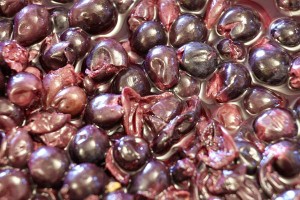
Danish company Chr. Hansen, with headquarters on the outskirts of Copenhagen, is one of the major suppliers to the wine industry. The vast majority of wines ferment with cultured yeast (or “selected”) and often this
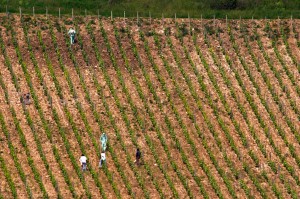
If you are a winemaker, be it “conventional” or organic, you have to spray the vineyards with treatments against diseases. You don’t really have much of a choice. The vines would barely survive and certainly
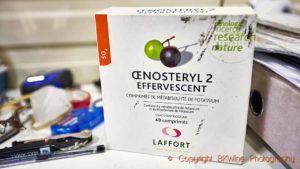
“When making organic wine you use no additives and you don’t spray toxins in the vineyard”. Just a little bit exaggerated (but only slightly) this is what one can both hear said and read sometimes.
People sometimes complain that there is too much alcohol in wine. In a warm climate, however, it is not always easy to produce wines with lower alcohol content. When ripe grapes, rich in sugar, ferment
There is much talk right now in the world of wine of the need for new grape varieties. There are actually two reasons for this. One is the fear that the expected climate change requires

Claude and Lydia Bourguignon are two well-known microbiologists who work as consultants worldwide. They advise wine producers and other farmers on all aspects of the soil. They analyse the soil, measure the microbiological activity, make

Danish chemical company Chr. Hansen launches something very new just in time for the harvest 2014. This brand new something is called Viniflora NoVA and is a new generation of lactic bacteria isolated from fermenting
At the end of May, the EU Commission will decide whether to keep the present levels of copper permitted for organic growers or if the levels should be reduced. Currently, organic growers are allowed to
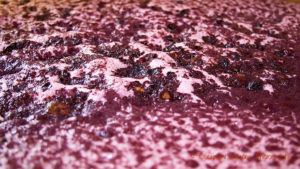
Everyone agrees that the grape-must must ferment to become wine. However, when it comes to what type of yeast to use, opinions differ. The choice is open to the winemaker to let the must ferment
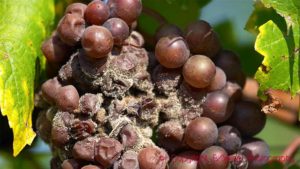
A new grape has been born in Switzerland, developed by the research institute Agroscope Changins. The Swiss are good at developing environmentally friendly grapes and this new grape, called Divico, has good resistance to both

Four new varieties have been born in France. And it’s really four brand new varieties. With names we have never heard of: gaminot, beaugaray, picarlat and granita. These are crossings that have been made at

All wines contain sulphur, but some less than others, help is on the way Almost all wines contain sulphur. This is not only because most winemakers add sulphur to stabilise the wine and make it
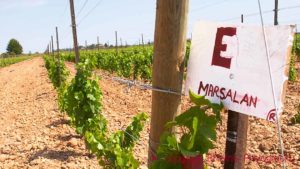
The producers of the Languedoc has now received its long-awaited permission from the Ministry of Agriculture to start growing, on an experimental basis, new grape varieties that are developed to be resistant against powdery mildew
German researchers have concluded that wine tastes better (is perceived as tasting better? – a philosophical distinction perhaps) when tasted in light with a red or blue colour, compared to if the lighting is neutral
In August the University of Stellenbosch was given permission to plant en experimental plot with 1 ha of genetically modified vines. This touches a very infected debate. Some say that such trials must not be
The American Association of Wine Economists has launched a call for papers for their yearly conference in 2010. So if you have some good idea on a micro or macro economic subject on wine you
L’Institut des Sciences de la Vigne et du Vin (ISVV) is the French name for the new research centre that is being constructed in the Bordeaux area. It will bring together research activities that has
The Association of Wine Economists have joined together with the Society of Quantitative Gastronomy (yes, they both exist!) to publish the Journal of Wine Economics with a new profile. Once every year they will publish
French and Italian researchers have mapped the full genome of the vine. It is the fourth plant after Arabidopsis, rice and poplar that has had its genetic fingerprint identified. The results were recently published in
The Journal of Wine Economics (JWE) American Association of Wine Economists This is not a book but a specialist, peer reviewed, scientific journal. The JWE is published by the American Association of Wine Economists (AAWE).
Natural wines are fashionable at the moment and there is a lot of talk about the difficulty of making wine without adding sulphur. But what
It is much debated (albeit less and less) whether global warming is a real phenomenon or not. I saw an interesting illustration of how the
Most (all?) wine growers today aim for less spraying in the vineyard. Regardless of the products you use when spraying. There are various preventive measures
Danish company Chr. Hansen, with headquarters on the outskirts of Copenhagen, is one of the major suppliers to the wine industry. The vast majority of
If you are a winemaker, be it “conventional” or organic, you have to spray the vineyards with treatments against diseases. You don’t really have much
“When making organic wine you use no additives and you don’t spray toxins in the vineyard”. Just a little bit exaggerated (but only slightly) this
People sometimes complain that there is too much alcohol in wine. In a warm climate, however, it is not always easy to produce wines with
There is much talk right now in the world of wine of the need for new grape varieties. There are actually two reasons for this.
Claude and Lydia Bourguignon are two well-known microbiologists who work as consultants worldwide. They advise wine producers and other farmers on all aspects of the
Danish chemical company Chr. Hansen launches something very new just in time for the harvest 2014. This brand new something is called Viniflora NoVA and
At the end of May, the EU Commission will decide whether to keep the present levels of copper permitted for organic growers or if the
Everyone agrees that the grape-must must ferment to become wine. However, when it comes to what type of yeast to use, opinions differ. The choice
A new grape has been born in Switzerland, developed by the research institute Agroscope Changins. The Swiss are good at developing environmentally friendly grapes and
Four new varieties have been born in France. And it’s really four brand new varieties. With names we have never heard of: gaminot, beaugaray, picarlat
All wines contain sulphur, but some less than others, help is on the way Almost all wines contain sulphur. This is not only because most
The producers of the Languedoc has now received its long-awaited permission from the Ministry of Agriculture to start growing, on an experimental basis, new grape
German researchers have concluded that wine tastes better (is perceived as tasting better? – a philosophical distinction perhaps) when tasted in light with a red
In August the University of Stellenbosch was given permission to plant en experimental plot with 1 ha of genetically modified vines. This touches a very
The American Association of Wine Economists has launched a call for papers for their yearly conference in 2010. So if you have some good idea
L’Institut des Sciences de la Vigne et du Vin (ISVV) is the French name for the new research centre that is being constructed in the
The Association of Wine Economists have joined together with the Society of Quantitative Gastronomy (yes, they both exist!) to publish the Journal of Wine Economics
French and Italian researchers have mapped the full genome of the vine. It is the fourth plant after Arabidopsis, rice and poplar that has had
The Journal of Wine Economics (JWE) American Association of Wine Economists This is not a book but a specialist, peer reviewed, scientific journal. The JWE


