It is time to rediscover Sherry, the unique Spanish wine | Britt on Forbes

Share / Like:

Having an aperitif calms the soul before it is time to eat dinner. Maybe you drink it with others, mingling and chatting. Or you sit by yourself on an outdoor terrace and watch the people pass by. What are you drinking? Maybe a sherry, a crisp dry fino. Many have forgotten about sherry, but we and many with us think it is time to rediscover this unique wine from southern Spain. And not just as an aperitif. In fact, a dry sherry goes perfectly with many types of food. Do not miss the great sherry renaissance.

For many people sherry is sweet, high in alcohol and old fashioned. It is true that is sherry a fortified wine so higher in alcohol than a normal wine. But a large part of sherry production is actually dry and not that high in alcohol. And even though some of the high-quality sweet sherries are magnificent wines, we are particularly fond of the dry ones. They are truly unique wines. And they go surprisingly well with food.

This is a longer version of an article published on Forbes.com.

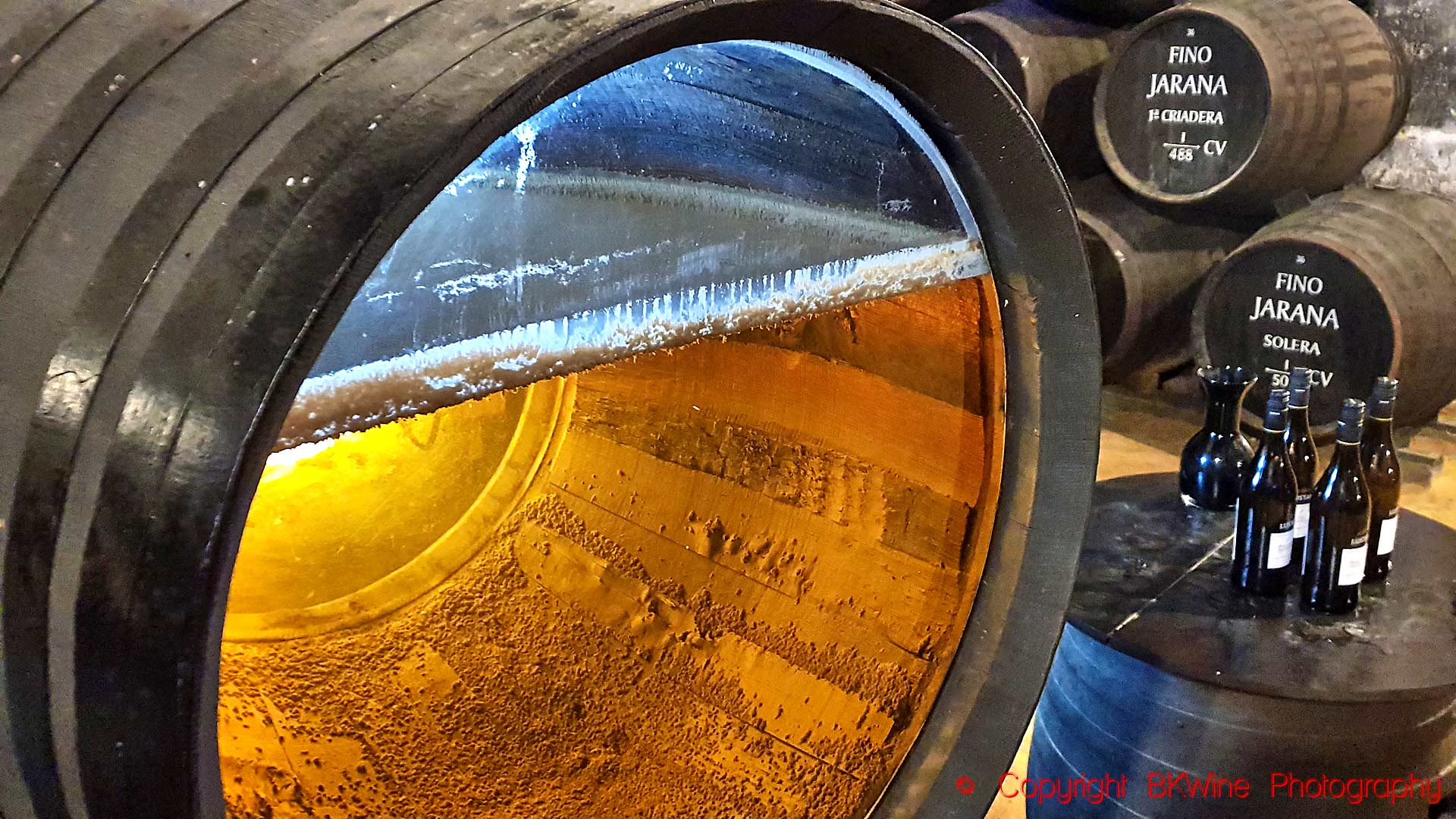
A barrel in a cellar in Jerez de la Frontera, Andalusia, filled with sherry where you can see the "flor" that is on the surface for fino
A barrel in a cellar in Jerez de la Frontera, Andalusia, filled with sherry where you can see the "flor" that is on the surface for fino, copyright BKWine Photography

Sales of sherry has declined since its heydays. People drink less, but they are more demanding and ask for higher quality. Premium sherry is increasing its sales, inexpensive sherries, and cream sherries (many will remember Bristol Cream) are decreasing.

Carlos Gonzalez-Gordon from Gonzalez-Byass is confident: ”Sherry is coming back and dry sherries are growing. These are gastronomic wines and there is a lot of interest from young consumers, for instance to combine the dry en rama style with salty food.”

Carlos Gonzalez-Gordon of Gonzalez-Byass in the sherry region
Carlos Gonzalez-Gordon of Gonzalez-Byass in the sherry region, copyright BKWine Photography

In recent years, a new dynamic has been palpable in the three sherry towns that form the famous sherry triangle: Jerez de la Frontera, Sanlúcar de Barrameda and Puerto Santa María. More or less all producers, small or large, has their cellars in one of these towns. They are not very far away from each other. But they still have different conditions for making the sherry. And a sherry is very much made in the bodega. Many producers have no vineyards of their own, instead they buy the base wine from, for instance, the cooperatives.

Sanlúcar and Santa María are by the Atlantic Coast, Jerez is half an hour inland. Traditionally, it has been the big houses that have ruled, just like in Rioja and Champagne, but now, smaller producers have emerged, adding new dimensions to this old and classic wine region.

Gonzalez-Byass is one of the most famous sherry houses. It was founded by Manuel María González Ángel in 1835. Their delicious Tio Pepe Fino, the driest style of sherry, is found in most markets around the globe.

So, what is so special with sherry? Carlos Gonzales-Byass talks about five factors that stand out and what makes a sherry special: the soil, the grapes, the solera and the two kinds of ageing, “biological” and oxidative.

The albariza soil

Sherry is made in Andalusia, Spain’s southernmost region where sun is in abondance. The summers are hot and dry and it is hard to understand how the vines can even survive here. The secret is in the soil. This calcareous soil called albariza soaks up water like a sponge when it rains and supplies the vines with moisture during the rainless summers. “Despite the dry climate,” says Carlos, no producers here irrigate.”

They also have other soil types, notably arena, which is primarily a light sandy soils, and barros, a dark soil which has a high clay contents.

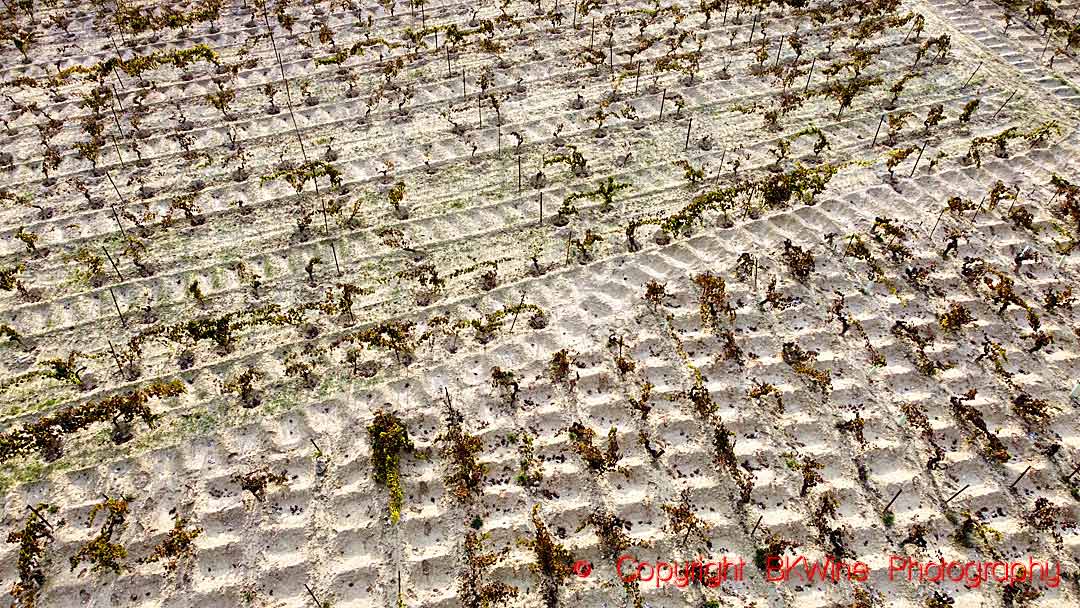
But it is the albariza that is most important and emblematic and important for its humidity-retaining qualities. Sometimes it is bunched-up, or structured with small pits or pockets that help retain the water. It gives the land a curious wavy aspect.

The white albariza soil in the sherry region in Andalucia, Spain
The white albariza soil in the sherry region in Andalucia, Spain, copyright BKWine Photography

The grapes

Palomino, a white grape, is the most important and most planted variety. It is used for all styles of sherries, fino, manzanilla, amontillado, oloroso, palo cortado. Only sweet sherries are made with another grape, pedro ximenes. Wines from this grape can also be used to sweeten an oloroso.

Palomino thrives in the albariza soil of the sherry region. It gives a base wine with a rather neutral taste. But a sherry is much about the winemaking and the ageing in the cellar. The finished product is both complex and intense in style, in fact anything but neutral.

The harvest and fermentation proceed as usual and the wine ferments completely dry to an alcohol content of 11–12%. It is then placed in barrels that are not filled completely. The barrels are carefully checked and, after tasting, divided into two main groups: a group for fino and manzanilla, the lightest wines, and a group for oloroso.

The white albariza soil rich in chalk, frequent in Montilla-Moriles and the sherry region
The white albariza soil rich in chalk, frequent in Montilla-Moriles and the sherry regions, copyright BKWine Photography

The solera system

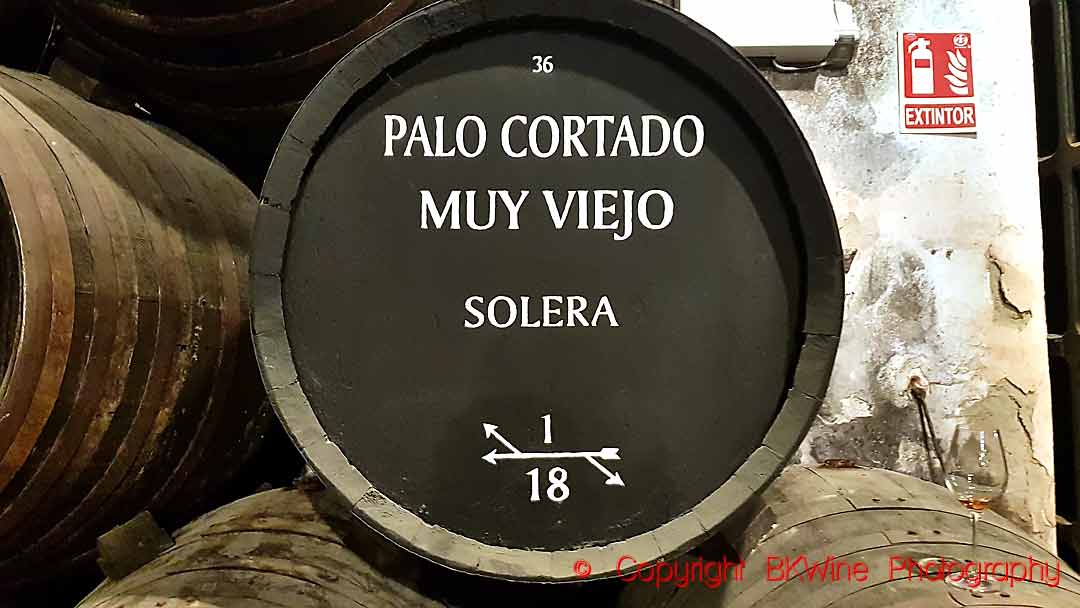
Sherry is not sold with any particular vintage, but once the casks have been classified by style (fino, oloroso, etc.) they are placed in a so-called solera where casks of wine from different ages are stacked on top of each other. The oldest wine is at the bottom and from here the wine is bottled and then topped up with the same amount from the cask above, which in turn is topped up, etc. This way you can maintain a constant quality year after year and you get a certain amount of old, characterful wine in all the bottles.

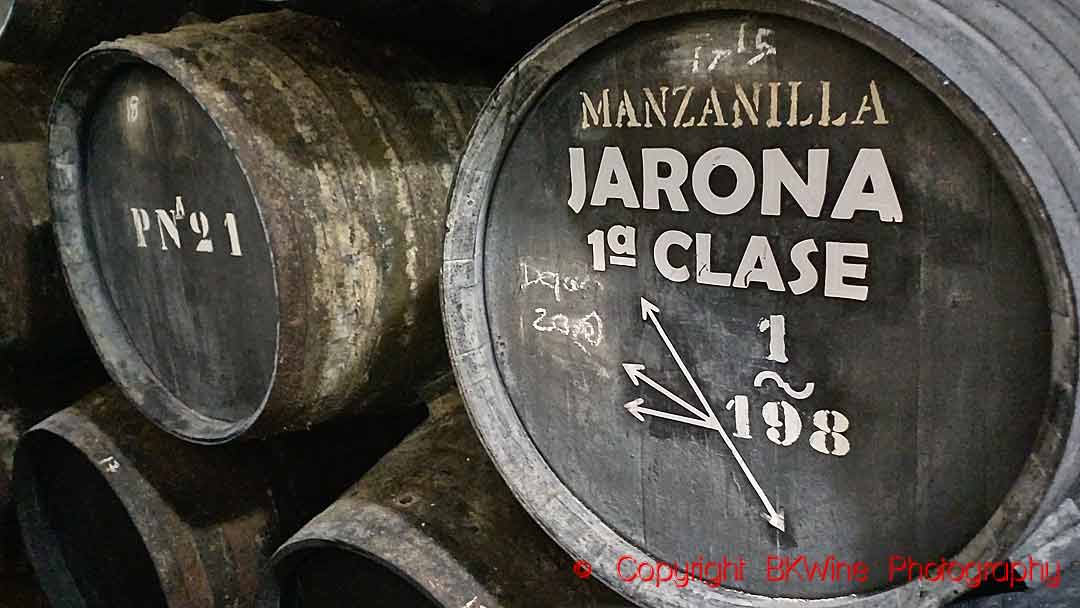
Barrels in a cellar in the sherry region in Andalucia with Manzanilla
Barrels in a cellar in the sherry region in Andalucia with Manzanilla, copyright BKWine Photography
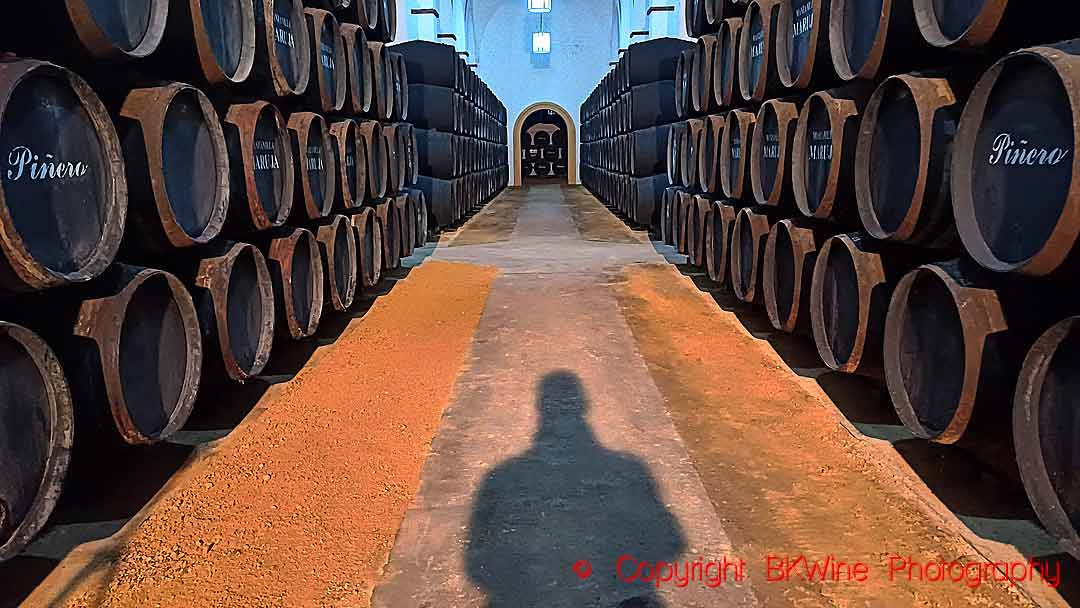
A barrel cellar in the sherry region with a solera of manzanilla
A barrel cellar in the sherry region with a solera of manzanilla, copyright BKWine Photography

Biological ageing

The fino/manzanilla group is fortified up to 15%. This allows the flor to develop, which will protect the wine from oxidation and at the same time give the wines a very special character. This aging is called crianza biológica, a curious expression but one that has now become widely used.

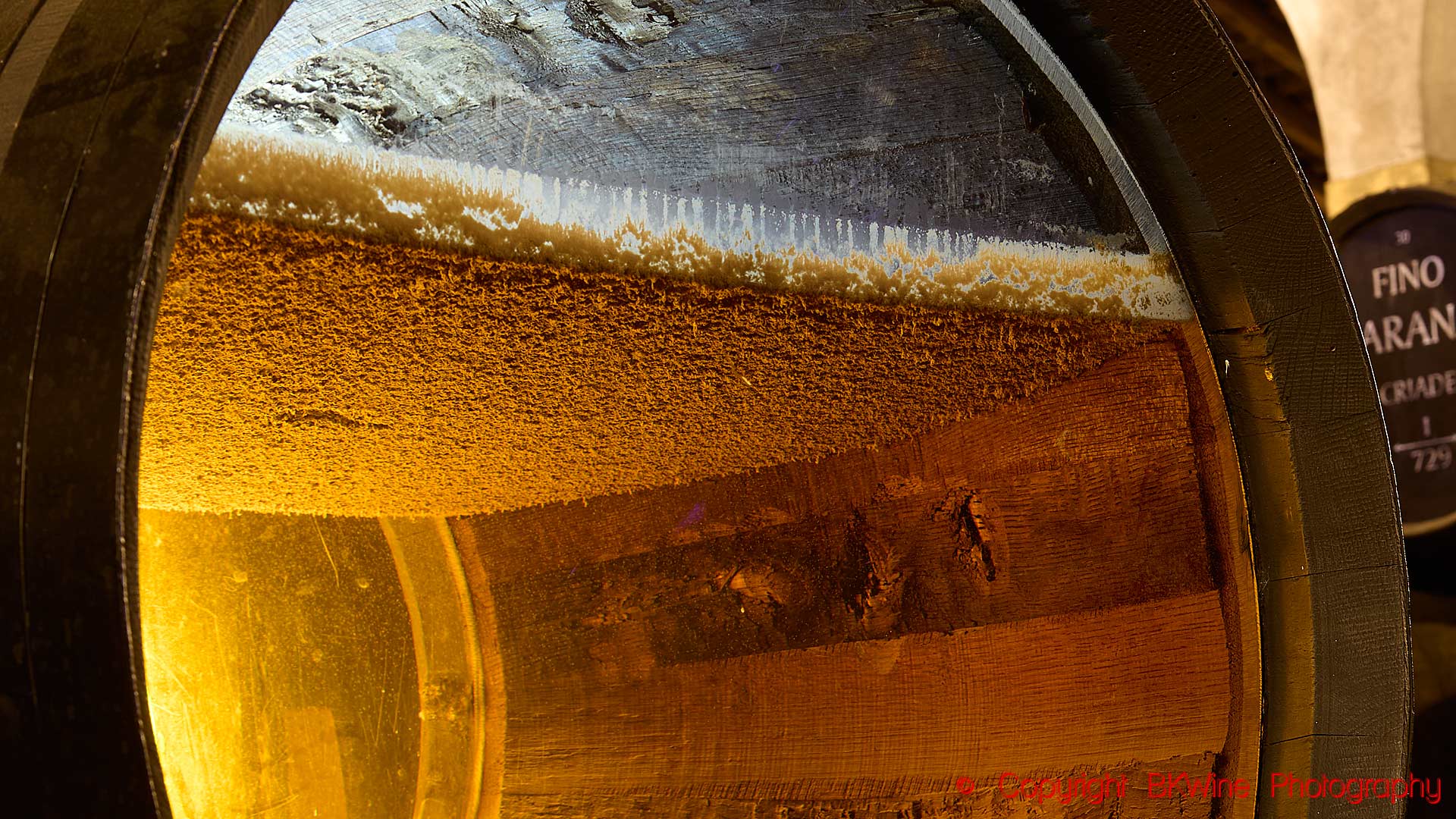
Flor is a yeast film that forms on the surface of the wine as a barrier between the air and the wine. The yeast consumes the glycerol found in the wine, a contributing factor to the special, very dry character that a fino has. The flor also helps the alcohol in the wine to oxidize. This produces acetaldehyde, which gives the wine a kind of saltiness and aromas of almonds and green apples.

A barrel in a cellar in Jerez de la Frontera, Andalusia, filled with sherry where you can see the "flor"
A barrel in a cellar in Jerez de la Frontera, Andalusia, filled with sherry where you can see the "flor", copyright BKWine Photography

The big difference between a fino and a manzanilla is that the manzanilla has been aged in the city of Sanlúcar de Barrameda. But there are other differences than can impact the character of the wine. For instance, the flor in Sanlúcar keeps intact the whole year around whereas in Jerez it comes and goes.

”The flor gives taste and elegans,” says Mercedes Cantos Ruiz at Bodega Juan Piñero, one of the newer bodegas in the region, located in the centre of Sanlúcar. ”Here in the region, we have always made wine with flor, the yeast comes naturally thanks for the climate. She and her team make some lovely salty, fresh, and very dry manzanilla. A favourite is Maruja Manzanilla Pasada En Rama with 12 years of ageing. It is intensely delicious and complex, with a great length.

A regular manzanilla can be sold after three years of aging, at which point the character of the flor begins to emerge. A pasada must be aged for at least 8 years. During this time the flor becomes thin, it dies and falls to the bottom. Younger wines are then added to replace the old flor.

Mercedes Cantos Ruiz of Bodega Juan Piñero and two cellar workers in the barrel cellar
Mercedes Cantos Ruiz of Bodega Juan Piñero and two cellar workers in the barrel cellar, copyright BKWine Photography

Oxidative ageing

The Oloroso group is fortified with spirits to raise the alcohol content to around 17%, thereby killing the yeasts that could have developed flor. Instead, the wines undergo oxidation during aging, which causes the colour to darken and the aromas to concentrate. This aging is called crianza oxidativa.

The spirit is always 96%.

Oloroso is sometimes sold dry (dry oloroso), a fantastic wine, but can also be sweetened. The sweetening is done with the extremely sweet Pedro Ximenes wine, made from the grape of the same name. The grape is also used to make a wine called PX, a very sweet sherry with a syrupy consistency and aromas that are strongly reminiscent of prunes.

Amontillado is a stronger variant of fino. An amontillado has undergone three years of crianza biológica. After these three years, the wine is fortified up to 17-18% and oxidative aging takes place instead. An amontillado is also a dry wine but much richer than a fino.

A sherry bodega filled with old barrels in a big winery, Andalusia
A sherry bodega filled with old barrels in a big winery in Sanlucar de Barrameda, Andalusia, copyright BKWine Photography

En rama

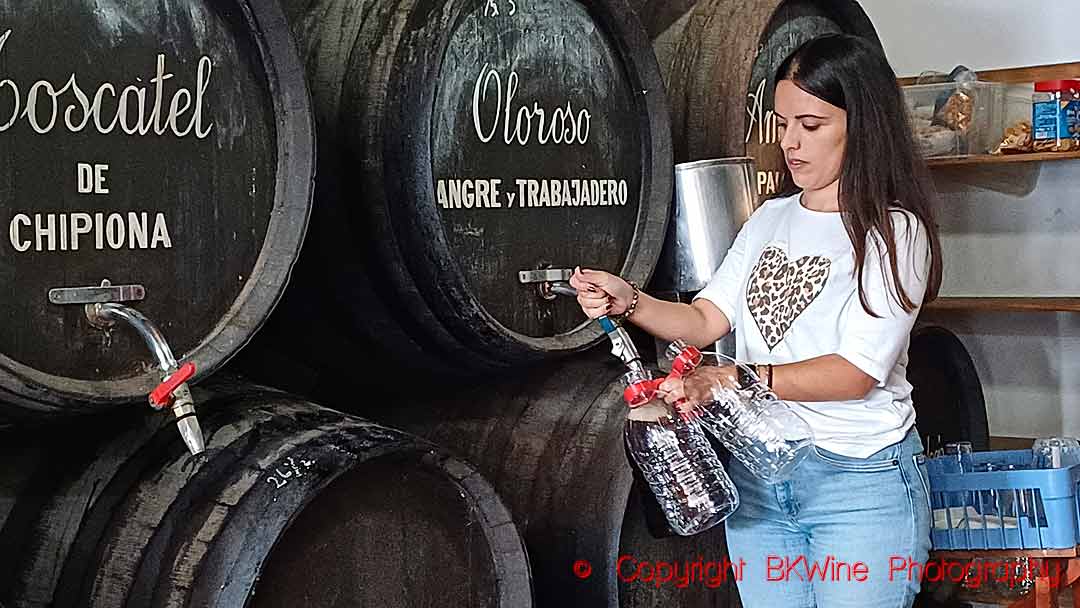
En rama has become a trendy wine since a few years back. But it is actually nothing new. Locals have always bought and enjoyed sherry en rama. It simply means that you get the wine straight from the cask, which in practice means that bottled “en rama” sherry is an unfiltered sherry. En rama often gives a richer taste experience. En rama sherries that are bottled and exported are, however, sometimes lightly filtered to remove any traces of dead yeast.

Pouring Oloroso Sangre y Trabajadero from barrel at Bodega Gutiérrez Colosía in Puerto de Santa Maria, sherry region
Pouring Oloroso Sangre y Trabajadero from barrel at Bodega Gutiérrez Colosía in Puerto de Santa Maria, sherry region, copyright BKWine Photography

Sherry is adapting to new consumer trends. The minimum alcohol level will probably soon be lowered from 15 to 14 %. A few innovative producers now make non-fortified wines with flor in the same style as fino.

A fino or a manzanilla will taste very different from anything else the first time you taste it. But after the second sip you realize just how well it pairs with salted almonds, olives, Iberico ham, tuna, grilled octopus, gazpacho, gambas in garlic olive oil… And it is a wine you cannot gulp down; every sip demands reflection.

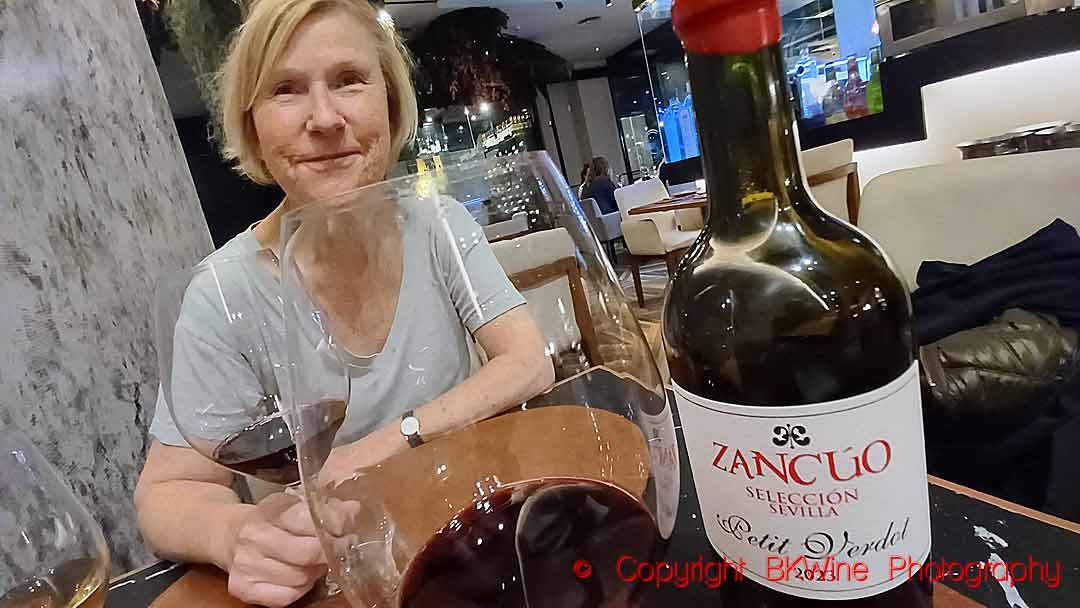
Britt Karlsson enjoying a Zancuo Petit Verdot in a restaurant in the sherry region
Britt Karlsson enjoying a Zancuo Petit Verdot in a restaurant in the sherry region, copyright BKWine Photography
Tasting from the barrel in a glass at Bodega Fernando de Castilla
Tasting from the barrel in a glass at Bodega Fernando de Castilla, copyright BKWine Photography
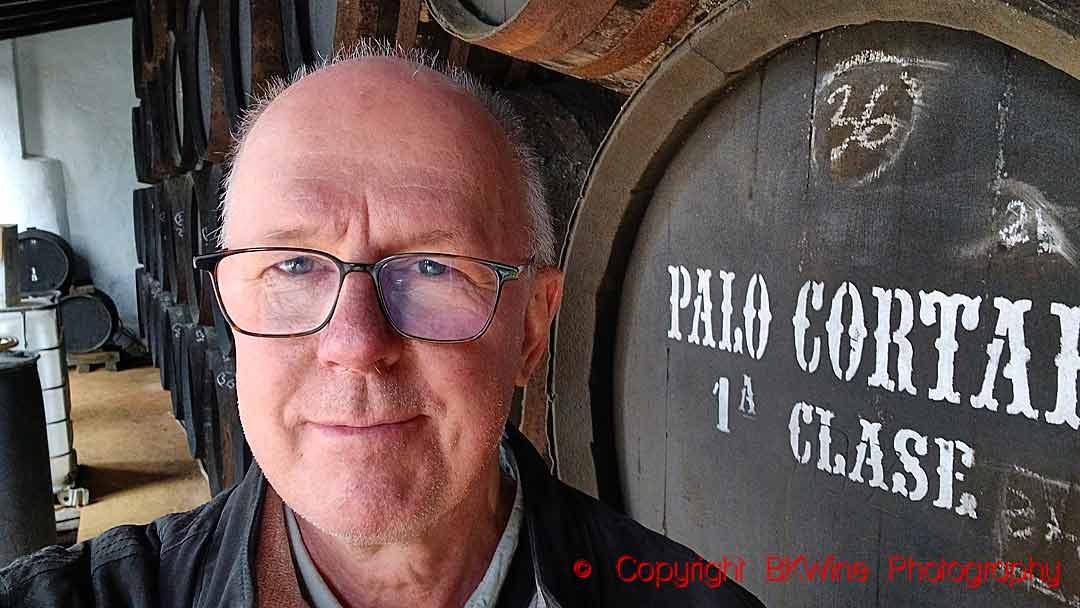
Per Karlsson in a sherry cellar with Palo Cortado Primera Clase in Sanlucar, sherry region
Per Karlsson in a sherry cellar with Palo Cortado Primera Clase in Sanlucar, sherry region, copyright BKWine Photography
Amontillado Napoleon 30 years old, De Hidalgo
Amontillado Napoleon 30 years old, De Hidalgo, copyright BKWine Photography
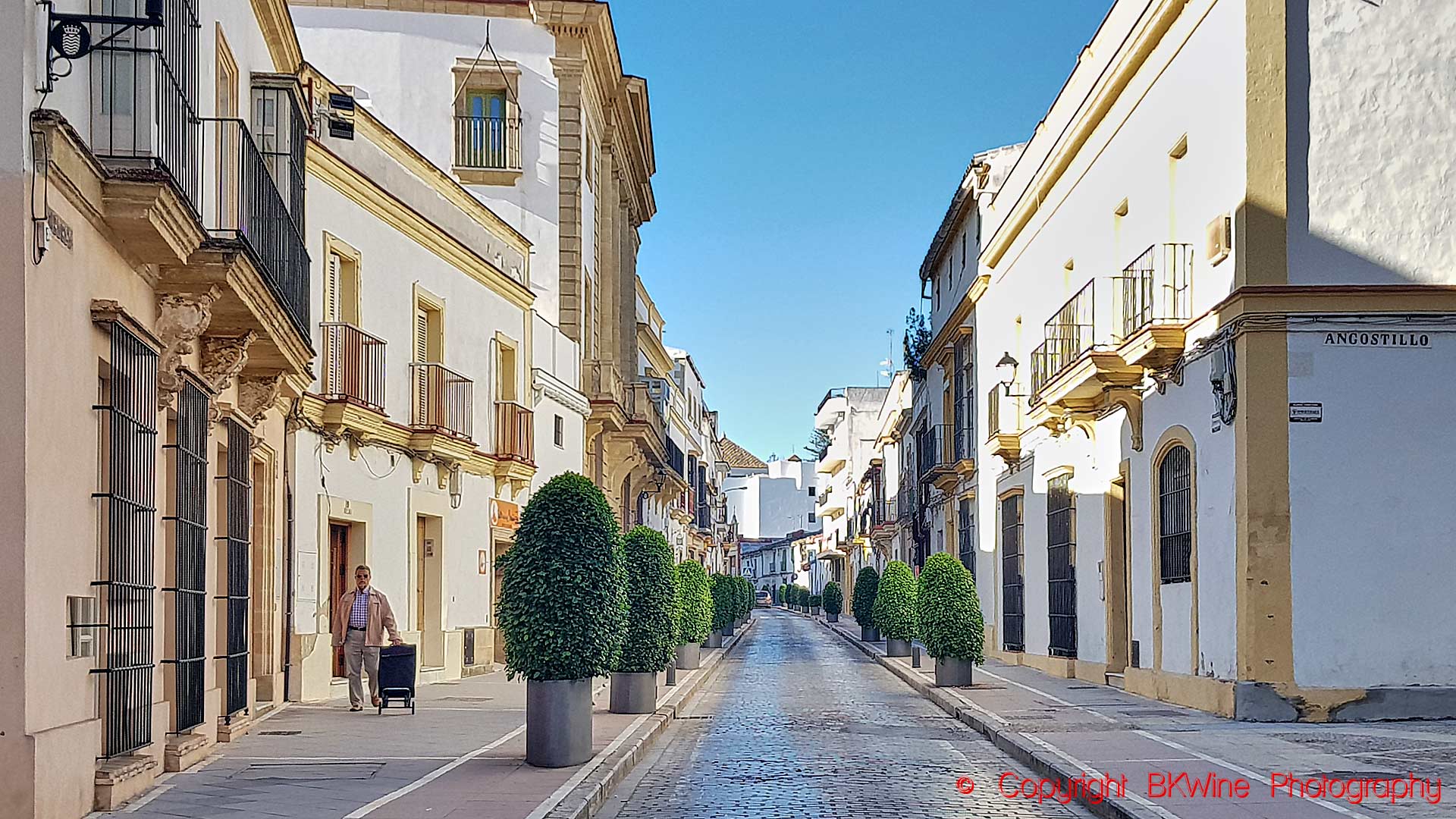
A street in Jerez de la Frontera, the sherry town in Andalusia, with whitewashed houses
A street in Jerez de la Frontera, the sherry town in Andalusia, with whitewashed houses, copyright BKWine Photography
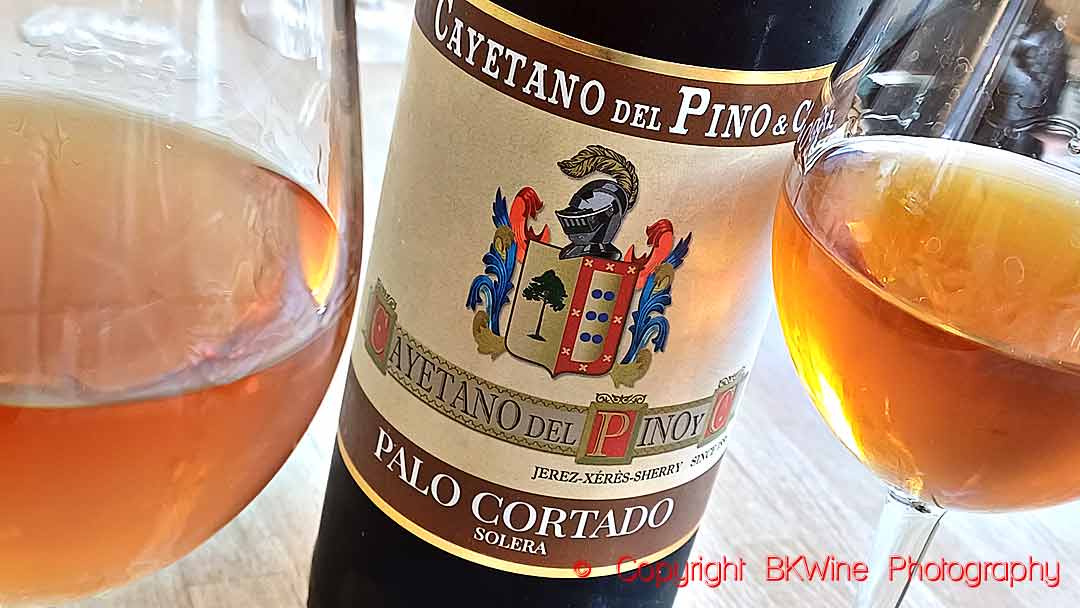
Palo Cortado Solera Cayetano del Pino sherry
Palo Cortado Solera Cayetano del Pino sherry, copyright BKWine Photography
A barrel of palo cortado muy viejo (very old) in a solera cellar in the sherry region
A barrel of palo cortado muy viejo (very old) in a solera cellar in the sherry region, copyright BKWine Photography
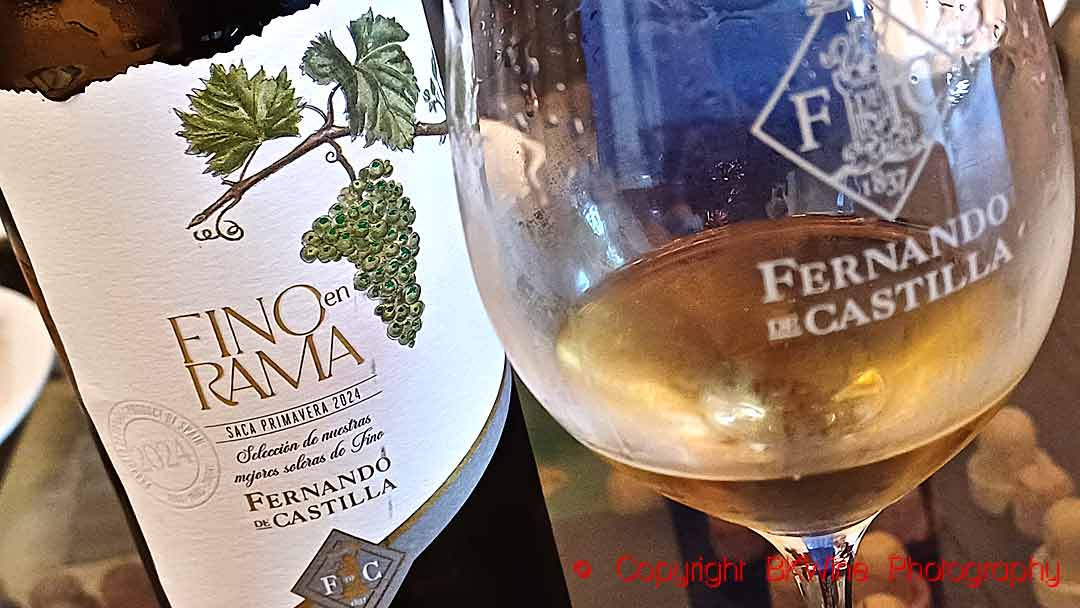
Fino en Rama saca primavera 2024 (spring '24 bottling) at Bodega Fernando de Castilla
Fino en Rama saca primavera 2024 (spring '24 bottling) at Bodega Fernando de Castilla, copyright BKWine Photography
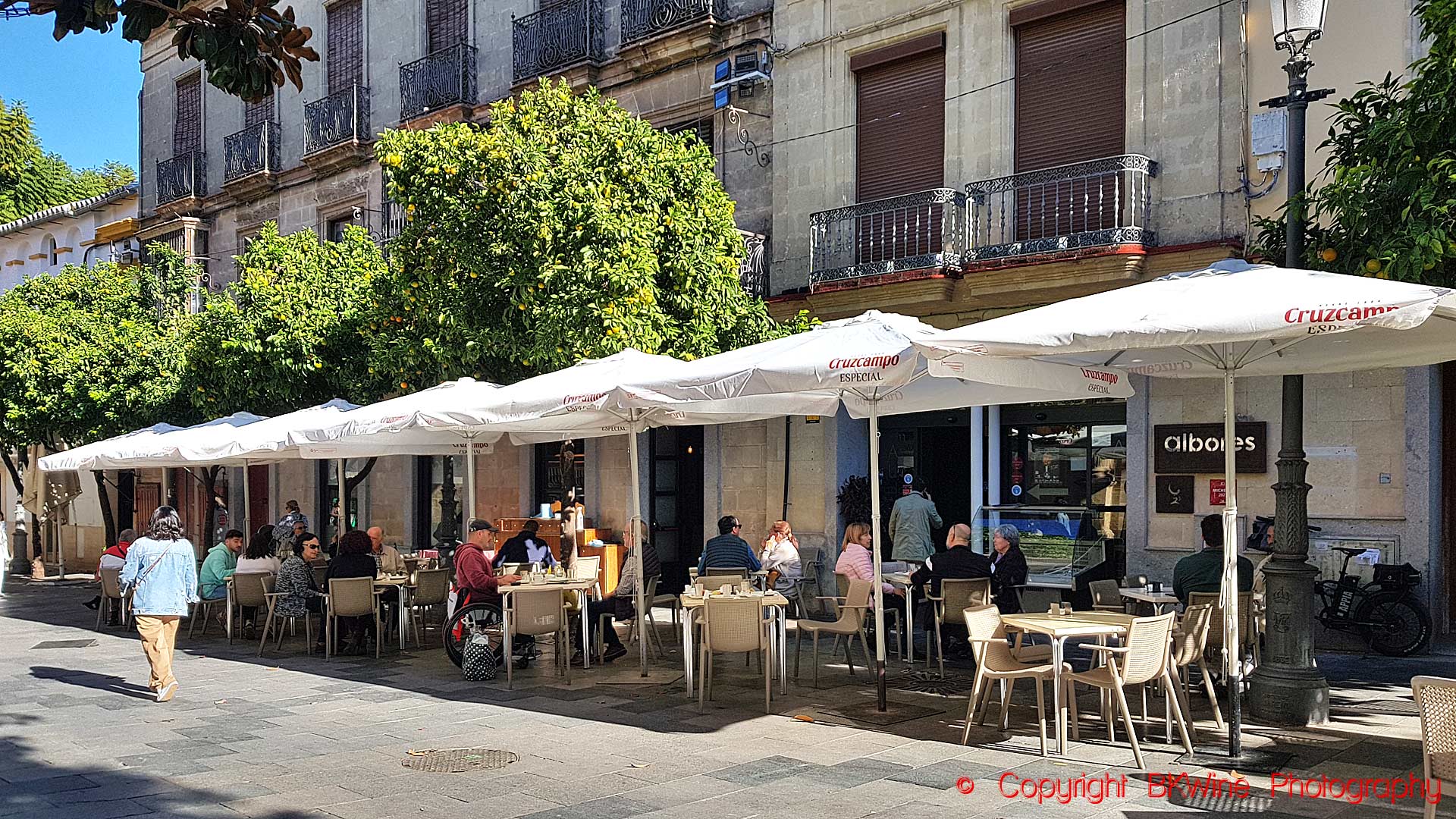
A cafe in a town square in Jerez de la Frontera, the sherry town in Andalusia
A cafe in a town square in Jerez de la Frontera, the sherry town in Andalusia, copyright BKWine Photography
Maruja Manzanilla Pasada en Rama, Bodegas Juan Pinero, Sanlucar
Maruja Manzanilla Pasada en Rama, Bodegas Juan Pinero, Sanlucar, copyright BKWine Photography
In a solera cellar in Sanlucar de Barrameda in the sherry region
In a solera cellar in Sanlucar de Barrameda in the sherry region, copyright BKWine Photography
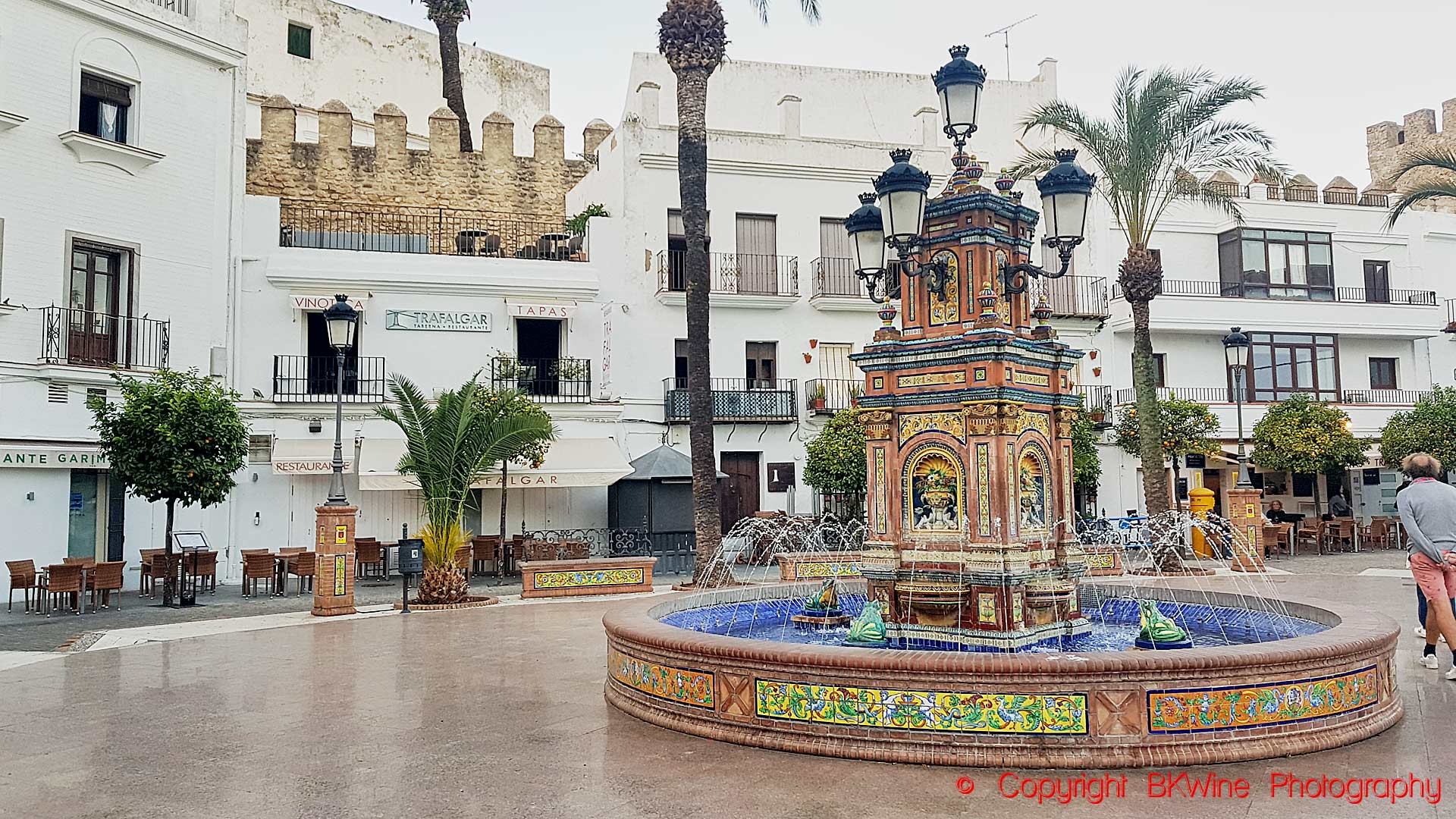
An old town with whitewashed houses and a fountain on the square, near Jerez de la Frontera, the sherry town Andalusia
An old town with whitewashed houses and a fountain on the square, near Jerez de la Frontera, the sherry town Andalusia, copyright BKWine Photography
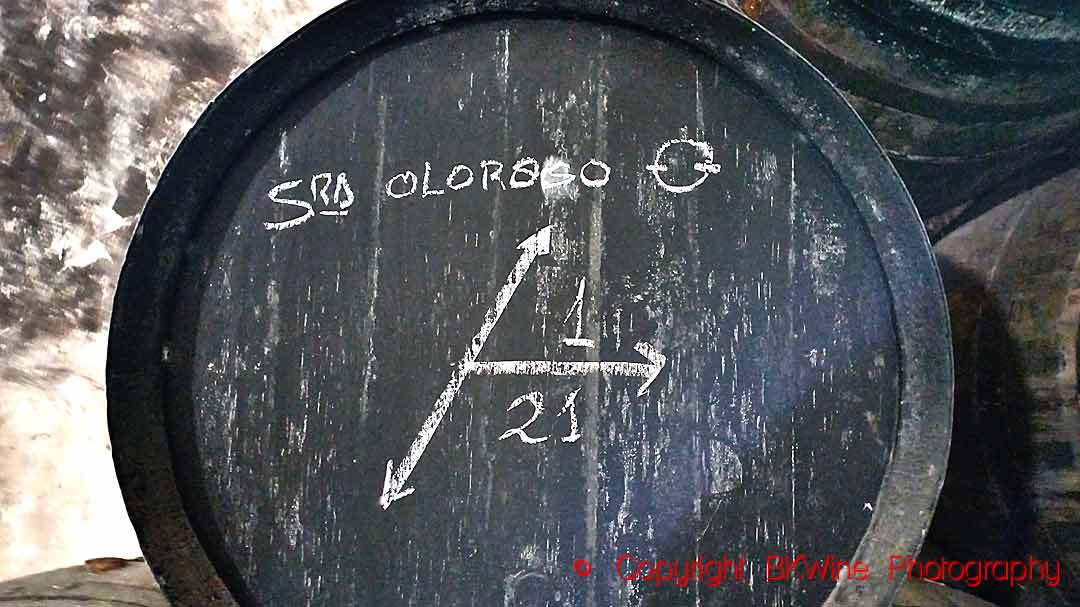
A barrel with chalk marks for oloroso in a sherry cellar
A barrel with chalk marks for oloroso in a sherry cellar, copyright BKWine Photography
Tio Pepe Fino en Rama, Gonzalez Byass, Jerez de la Frontera, sherry region
Tio Pepe Fino en Rama, Gonzalez Byass, Jerez de la Frontera, sherry region, copyright BKWine Photography

Chose your language. Read the article in:

Author:

Author:

Share this post:

Leave a Reply

Your email address will not be published. Required fields are marked *

  Subscribe to comments:

Notify me of followup comments via e-mail. You can also subscribe without commenting.

SUBSCRIBE TO OUR NEWSLETTER!

25,000 subscribers get wine news every month. You too?