At home, we like to drink vermouth when it is time for an aperitif. Although vermouth is essentially a fortified wine flavoured with herbs and spices, it can taste very different. A Martini Rosso or Bianco does not show the most interesting side of vermouth. Right now, there is a Vermouth di Torino in our fridge, purchased in Piedmont, where some of the world’s best vermouth is made.
Vermouth from Torino has been in the spotlight now at the end of 2025. The Italian Ministry of Agriculture has officially recognised the Vermouth di Torino Consortium, which brings together 40 producers (90% of the production of 6 million bottles). This, it is said, marks a milestone in the promotion and protection of this classic vermouth from Piedmont. The consortium now has full authority to ensure that the name of this protected geographical indication is used correctly and not in a misleading way.
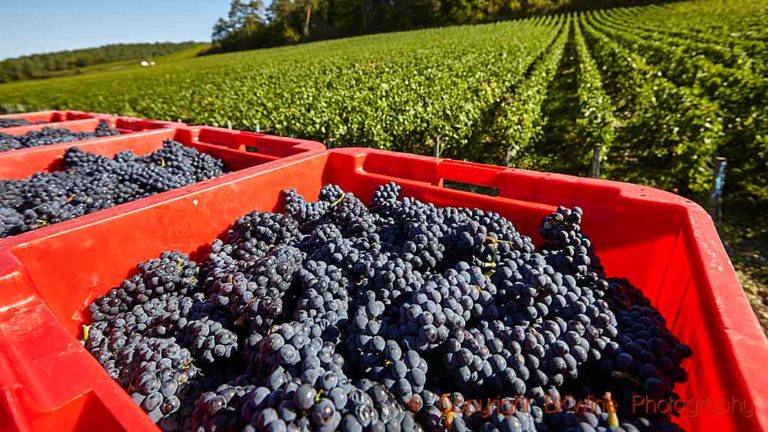
The vermouth in our fridge is Sibona Civico 10 Vermouth di Torino Rosso Superiore. It is unusual because it is made with red grapes, specifically nebbiolo d’alba. Red vermouth is usually made with white grapes, and the red (dark) colour comes from either caramel colouring or the infusion of herbs. Here, wormwood (always in vermouth) from Piedmont, gentian, vanilla, sweet and bitter oranges, and about 20 other herbs have been used, according to a secret recipe. The result is the wonderful bittersweet taste that a high-quality red vermouth should have.
Spicing wine with herbs is a tradition that goes back a long way (in fact, “as far back as the ancient Romans”). But it is generally considered that vermouth as we know it today originated or was “invented” in the 18th century in what was then the Kingdom (Duchy) of Savoy-Piedmont. Some believe its origin is in Chambery in Savoie in present-day France, but others believe that Turin is its birthplace (Antonio Benedetto Carpano in Turin in 1786). Today, both of these regions produce high-quality vermouth.
However, we should not forget the excellent Noilly Prat made in Marseillan in Languedoc, very herbaceous and dry, and with low bitterness. There is also an interesting variant in Romania called “pelin”, which is spiced in a similar way but not fortified, i.e. with a lower alcohol content. But that is, therefore, strictly speaking, not a vermouth. Today, quality vermouth is made all around the globe. We have even tasted it from the Douro Valley.
The protected designation Vermouth di Torino has, of course, rules for its production. In short:
- It must be made from at least 75% wine
- The wine must come from Italy, and for the “superiore” category, at least 50% must come from Piedmont
- It must be spiced with several different herbs with a prominent bitterness from wormwood (Artemisia absinthium and/or Artemisia pontica), for superiore, the herbs must be grown in Piedmont
- It can be extra secco / extra dry (<30 g sugar per litre), secco / dry (<50 g/l) or dolce / sweet (>130 g/l). Most are either dry or sweet, but there are also semi-secco or semi-dolce (50-130 g)
- It can be bianco (white), ambrato (amber yellow) or rosso (red)
If you drink vermouth as an aperitif, pure by itself, it is worth paying a bit more (a lot of vermouth is used in cocktails where the quality might count for less). Try a Vermouth di Torino next time.
Some tasting notes
Sibona Civico 10 Vermouth di Torino Rosso Superiore
Dark colour from the nebbiolo d’alba base wine, full-bodied with a distinct bitterness, ripe dark berries, sweet cherries, relatively sweet, but the bitterness and acidity make it fresh. Delicious.
Antica Formula Vermouth di Guiseppe B. Carpano
Distinct bitterness mixed with citrus sweetness and medicinal herbs. Full-bodied, warm and very good.
Quevedo Autumn Vermouth
Rare Douro vermouth made in an edition of 300 bottles, elegant, floral and aromatic with clear sweetness from honey and little bitterness. Different non-classic style, not so much on the wormwood style and quite sweet.
Noilly Prat
This classic French vermouth is elegant with light floral notes, a fairly discreet, balanced bitterness, fine herbal aromaticity and very fresh citrus acidity. Perfect for cooking and as an apéro, well-chilled without ice with a slice of lemon.
Read more on vermouth on BKWine Magazine: