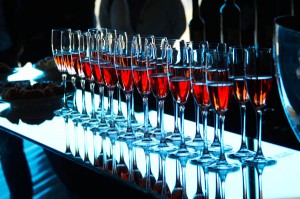
How do you make rosé? Facts and fails.
This is rosé season. Or should be. We’re having a rather cold spring in Paris. Rosé has in recent years become incredibly popular. Incredibly is the right word. So let’s take a look at how

This is rosé season. Or should be. We’re having a rather cold spring in Paris. Rosé has in recent years become incredibly popular. Incredibly is the right word. So let’s take a look at how
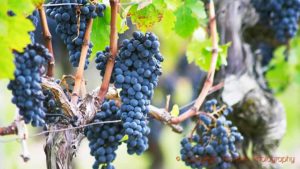
So you want to be (like) a pro ampelographer? That’s what they call someone who is a botanic specialist focussed on the grape vine. Or maybe you don’t? Maybe you just want to know how
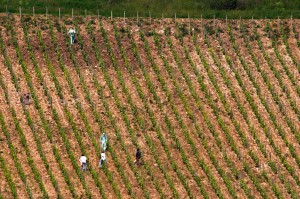
If you are a winemaker, be it “conventional” or organic, you have to spray the vineyards with treatments against diseases. You don’t really have much of a choice. The vines would barely survive and certainly
How hard can it be? Blending a wine? I mean, you have a few different pure variety base wines which, together, will converge in a balanced and tasty cuvée that will hit home with any
Organic, biodynamic and natural wines have a more concentrated flavour than traditionally produced wines, some of the producers claimed at a seminar on German organic wines that I recently attended. The international wine world seems
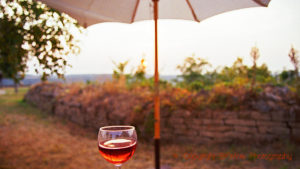
It seems the conquest of the world for rosé wines is unstoppable. From having been a little appreciated cheap (and often nasty) wine rosé is now – literally – on everyone’s lips. Even the most
Three nearly identical wines from Robert Mondavi show large differences How is it that the prices of different wines can vary considerably although the wines are produced with grapes from virtually the same vineyard? What
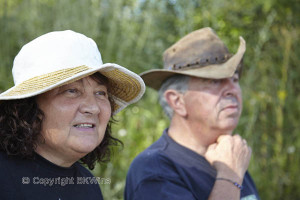
Claude and Lydia Bourguignon are two well-known microbiologists who work as consultants worldwide. They advise wine producers and other farmers on all aspects of the soil. They analyse the soil, measure the microbiological activity, make
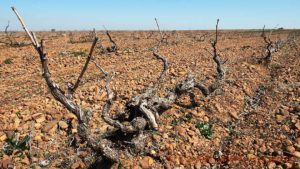
Wine growers talk about high and low yields in the vineyard. In Languedoc they have around 45 hectolitres per hectare, in Bordeaux 50 to 60 and in Champagne even higher. But when you talk about
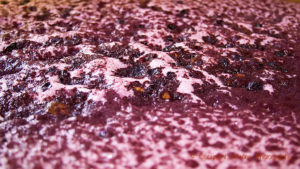
Everyone agrees that the grape-must must ferment to become wine. However, when it comes to what type of yeast to use, opinions differ. The choice is open to the winemaker to let the must ferment
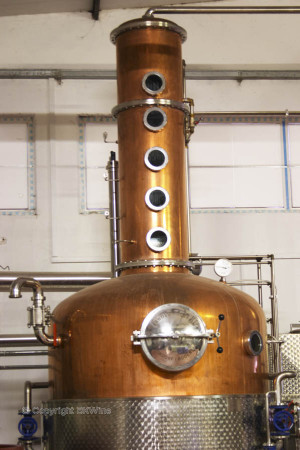
On a trip to the Piedmont wine region this spring we visited a grappa producer, Distillatori Mazzetti. And we discussed what actually happens to all the grape skins after they have been pressed. Is everything
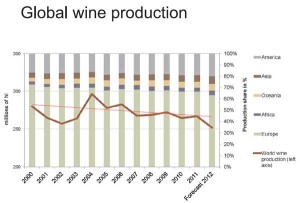
Global wine production down in 2012, Europe declining, most others growing. Is Europe strangling its wine sector? Global wine production decreased 6% in 2012 to 252 million hectolitres. This was partially due to a very
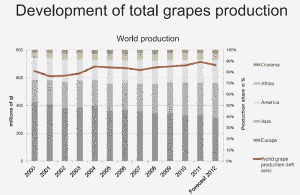
Global grape production: short term drop, long term rise, big shift away from Europe, productivity increasing Global grape production has seen a slight drop in 2012 from 2011 but has since 2000 seen a slight
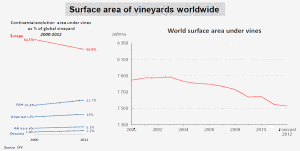
World statistics on acreage use for growing vines and producing grapes The OIV (International Organisation of Vine and Wine) produces some of the most fascinating and telling statistics there is about wine. They have just
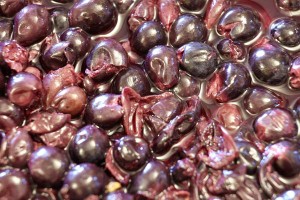
Natural and cultured yeast are both used in the Douro Valley but in different ways One of the winemaker’s most important decisions is if he should use native yeasts or selected yeast strains for the
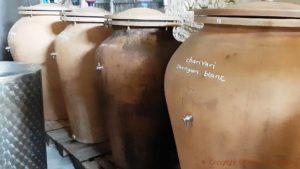
Nothing new under the sun… Or: Dusting off the clay pots for winemaking The amphora is back. The ancient way of making and storing wine in clay amphora, like the Greeks and the Romans did,
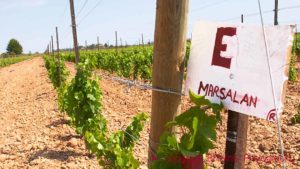
The producers of the Languedoc has now received its long-awaited permission from the Ministry of Agriculture to start growing, on an experimental basis, new grape varieties that are developed to be resistant against powdery mildew
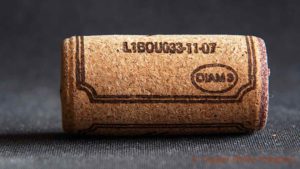
We heard about the Diam closure for the first time about five years ago. We attended a tasting with some Champagne producers who all had tried a natural cork called Mytik, which is Diams counterpart
Try rognage: Sancerre launches the world’s first simulation machine for canopy management! It is called rognage, when you trim or prune the canopy (the leaves) off the vines in summer to remove excess leaves. It
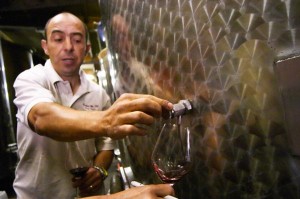
On February 8 the EU agreed the rules for organic vinification paving the way for “organic wine” The member countries in the European Union have finally (on February 8 ) voted for an agreement concerning
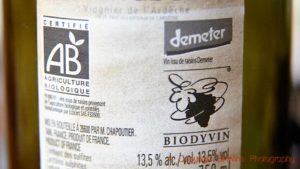
There has recently been a curious “debate” on one of the major Swedish wine blogs on what is “the stongest wine in the world”, naturally fermented, excluding fortified wines. It started some time back with

One of the things that contribute to the ageing of wine is oxygen. Aging is, partially, a slow oxidation of the wine. It leads to changes in the flavour and aromas and it also changes
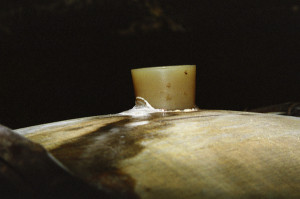
There are many different types of microbes (minuscule organisms) that contribute to making the wine into what it is. Many of them are desirable and even essential to the making of a wine. some only
Text: David Furer Photo: Per Karlsson / BKWine & David Furer Copyright © David Furer & BKWine With the rise of flavor profiles attributed to French wood, along with their undisputed preeminence in technique, the
Perhaps you are familiar with ‘flash detente’. If you are not you should read our book The Creation of a Wine (A Wine is Born, unfortunately not yet available in English – Ett vin blir
It is common practice to add cultured (sometimes called artificial) yeast to the must to control the fermentation of wine. Just like for “natural” fermentation it is Saccharomyses Cerevisiae that converts the sugar to alcohol
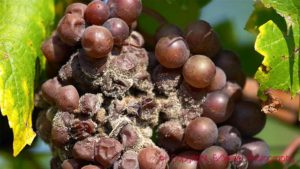
For organic wine farmers the only permitted products are copper and sulphur, it is often said. That is not quite correct, since in organic farming you are allowed to use other products – if they
Since quite a few year it has been forbidden to use the expression “methode champenoise” on sparkling wines made with a second fermentation in the bottle. In the future we may instead see “methode provencale”.
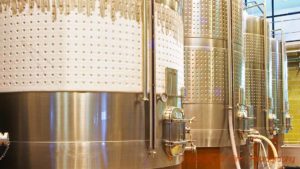
Gum Arabic is, technically, a polysaccharide and a resin like substance from an Arabic acacia tree. Its use is permitted in winemaker. Nothing particularly strange about that. It is a regular food additive with the
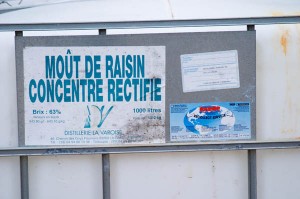
Diluted wine or fruity wine? Must concentration – what should or should you not do? Boil the must in a vacuum? If it rains just before the harvest you risk getting a diluted must. The
This is rosé season. Or should be. We’re having a rather cold spring in Paris. Rosé has in recent years become incredibly popular. Incredibly is
So you want to be (like) a pro ampelographer? That’s what they call someone who is a botanic specialist focussed on the grape vine. Or
If you are a winemaker, be it “conventional” or organic, you have to spray the vineyards with treatments against diseases. You don’t really have much
How hard can it be? Blending a wine? I mean, you have a few different pure variety base wines which, together, will converge in a
Organic, biodynamic and natural wines have a more concentrated flavour than traditionally produced wines, some of the producers claimed at a seminar on German organic
It seems the conquest of the world for rosé wines is unstoppable. From having been a little appreciated cheap (and often nasty) wine rosé is
Three nearly identical wines from Robert Mondavi show large differences How is it that the prices of different wines can vary considerably although the wines
Claude and Lydia Bourguignon are two well-known microbiologists who work as consultants worldwide. They advise wine producers and other farmers on all aspects of the
Wine growers talk about high and low yields in the vineyard. In Languedoc they have around 45 hectolitres per hectare, in Bordeaux 50 to 60
Everyone agrees that the grape-must must ferment to become wine. However, when it comes to what type of yeast to use, opinions differ. The choice
On a trip to the Piedmont wine region this spring we visited a grappa producer, Distillatori Mazzetti. And we discussed what actually happens to all
Global wine production down in 2012, Europe declining, most others growing. Is Europe strangling its wine sector? Global wine production decreased 6% in 2012 to
Global grape production: short term drop, long term rise, big shift away from Europe, productivity increasing Global grape production has seen a slight drop in
World statistics on acreage use for growing vines and producing grapes The OIV (International Organisation of Vine and Wine) produces some of the most fascinating
Natural and cultured yeast are both used in the Douro Valley but in different ways One of the winemaker’s most important decisions is if he
Nothing new under the sun… Or: Dusting off the clay pots for winemaking The amphora is back. The ancient way of making and storing wine
The producers of the Languedoc has now received its long-awaited permission from the Ministry of Agriculture to start growing, on an experimental basis, new grape
We heard about the Diam closure for the first time about five years ago. We attended a tasting with some Champagne producers who all had
Try rognage: Sancerre launches the world’s first simulation machine for canopy management! It is called rognage, when you trim or prune the canopy (the leaves)
On February 8 the EU agreed the rules for organic vinification paving the way for “organic wine” The member countries in the European Union have
There has recently been a curious “debate” on one of the major Swedish wine blogs on what is “the stongest wine in the world”, naturally
One of the things that contribute to the ageing of wine is oxygen. Aging is, partially, a slow oxidation of the wine. It leads to
There are many different types of microbes (minuscule organisms) that contribute to making the wine into what it is. Many of them are desirable and
Text: David Furer Photo: Per Karlsson / BKWine & David Furer Copyright © David Furer & BKWine With the rise of flavor profiles attributed to
Perhaps you are familiar with ‘flash detente’. If you are not you should read our book The Creation of a Wine (A Wine is Born,
It is common practice to add cultured (sometimes called artificial) yeast to the must to control the fermentation of wine. Just like for “natural” fermentation
For organic wine farmers the only permitted products are copper and sulphur, it is often said. That is not quite correct, since in organic farming
Since quite a few year it has been forbidden to use the expression “methode champenoise” on sparkling wines made with a second fermentation in the
Gum Arabic is, technically, a polysaccharide and a resin like substance from an Arabic acacia tree. Its use is permitted in winemaker. Nothing particularly strange
Diluted wine or fruity wine? Must concentration – what should or should you not do? Boil the must in a vacuum? If it rains just


