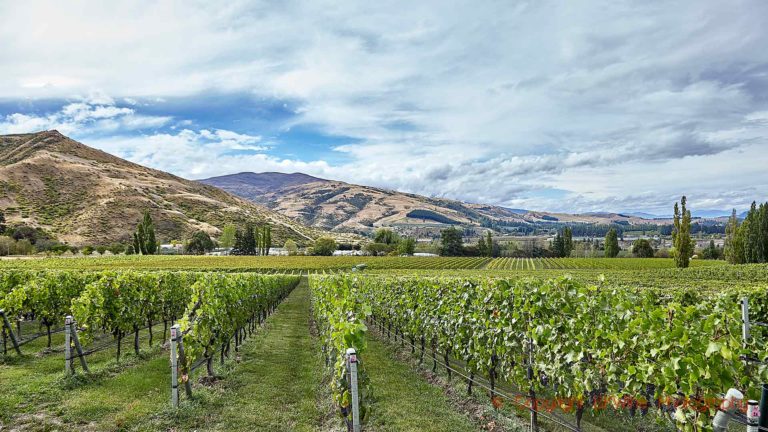
We arrived in Côte des Bar, Champagne’s southernmost sub region, on August 25 and assumed the harvest would be in full swing. (Read more on Côte des Bar and Champagne Vaucelle in this BKWine Magazine article.)
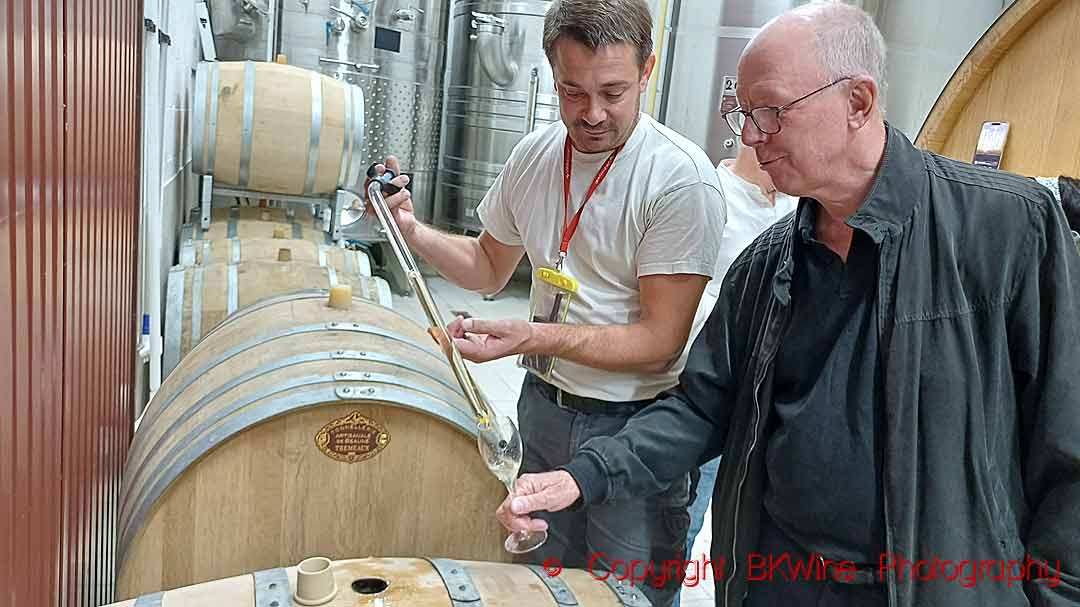
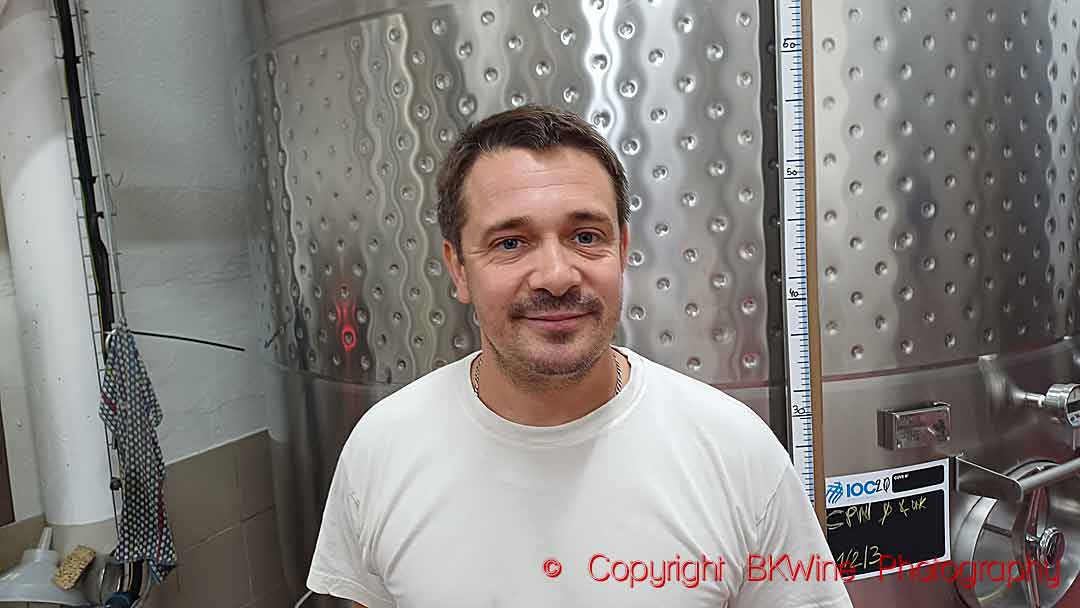
But no, it had just finished. “It was a very early harvest, record early in fact,” says Freddy Creniller, chef de cave at Champagne Thomas Cheurlin / Champagne Vaucelle in Celles sur Ource. And with that, a very unusual vintage.
In Champagne, the 2026 harvest began as early as August 8. “We started on August 14,” Freddy explains. In just two weeks, the grapes went from being far from ripe to approaching over ripeness. The potential alcohol level is between 11.5 and 13%, something Freddy has never seen before. For the first time in his 20 year career, he has not chaptalised a single tank. (Chaptalisation is very common in Champagne, almost everyone does it, in a normal year.)
Spring began well, with excellent flowering and fruit set. Some chardonnay plots were hit by spring frost, but pinot noir fared better since it develops slightly later. The yield ended up at around 7,000 kg/ha.
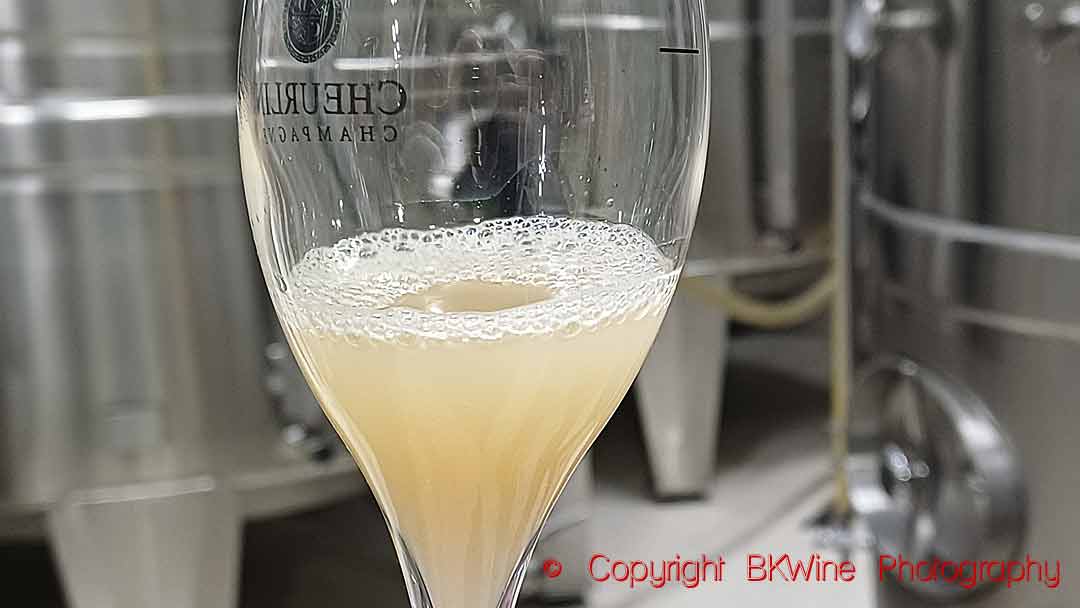
The rapid ripening naturally raises the question of acidity. It is lower than usual, but according to Freddy, much can be balanced by blending different plots and adding so-called reserve wine. The dosage can also be adjusted to suit the vintage. He was hesitant at first, but is now far more optimistic and believes 2026 will be an excellent year. We agree, after having tasted the exceptional 2026 pinot noir and chardonnay juice.
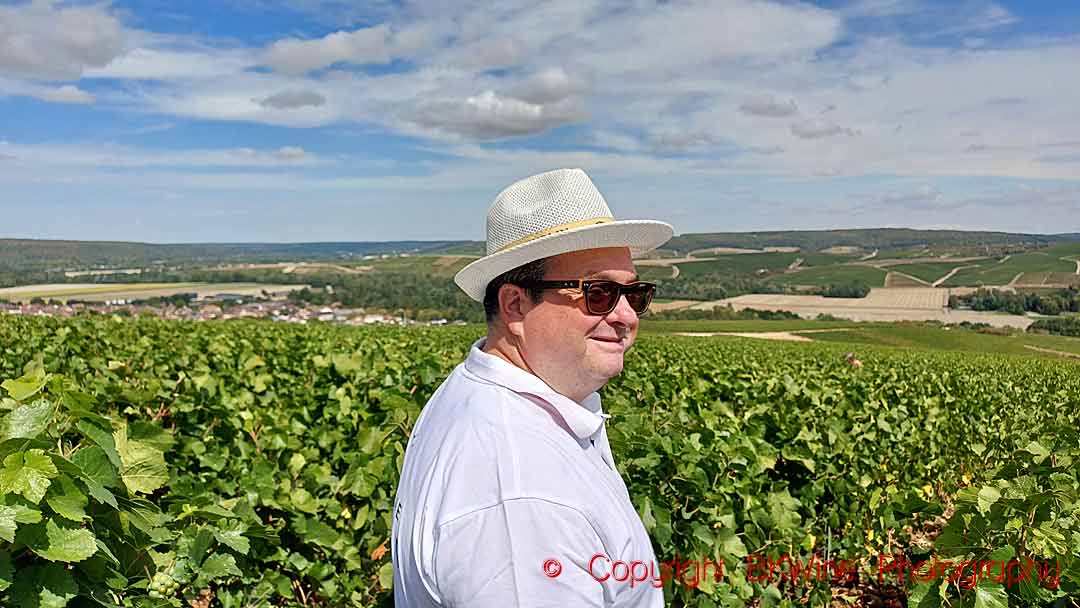
Eric Rodez in Ambonnay seems to agree: “a lot of sun, great heat, no rain, a very concentrated harvest, a stratospheric sugar richness… The challenge is huge but beautiful and big. So, we lend ourselves to dreaming carried by the potential of this vintage knowing that 1959, 1947, 1921 were of the same type…”
–
Travel: Come on a wine tour to Champagne and Burgundy with BKWine. (PS: We’ve written a prize-winning book on Champagne and one on Burgundy.)