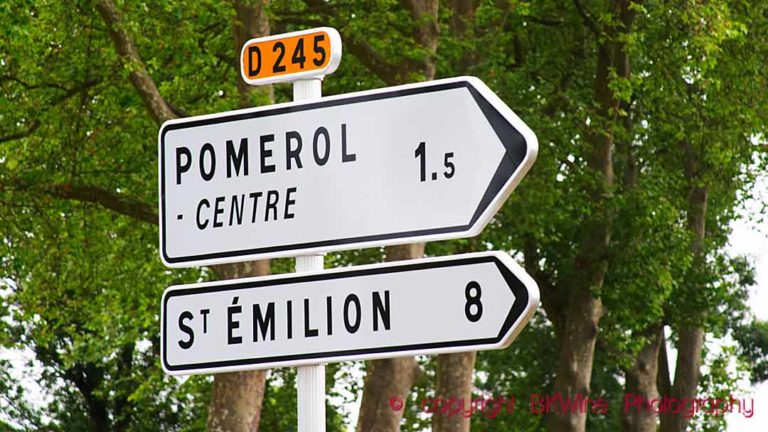
This past spring, we have been to Champagne and Bordeaux, among other places. Wine regions that are undeniably masters of their respective wine styles. They have a lot in common, not just the fact that they are both famous and sought after. They are also both specialists in blending.)
The concept of blending is often positive in the wine world. But not always. Sometimes we hear people talking derogatorily about “blending a wine to suit a certain taste”. But that is precisely what blending is all about, whether we are talking about prestigious Bordeaux or Champagne, or inexpensive wine in bag-in-box. Blending is about making a wine that is better than the individual components, making a wine with a taste that matches the winemaker’s ambition and the consumer’s taste.
–
Calling all wine lovers:
Do you know someone who might be interested in a wine tour?
Please tell them about BKWine Wine Tours! We do wine tours like no other.
A leading wine tour operator since more than 20 years.
Thank you in advance for your help and support!
(If you have Swedish friends, please know that we have a separate,
more extensive travel program in Swedish: BKWine Vinresor.)
–
Grape varieties are blended, grapes from different plots of land, from near and far. Wines that have been aged in old and new oak barrels or perhaps in amphorae or concrete barrels, and in the case of Champagne, different vintages are also blended.
Blending requires knowledge and experience. It is not easy to taste young wines with high acidity, high tannin content, wines that maybe will spend another year or more in oak barrels. In the case of Champagne, it is still wines that are blended before they become bubbly, which presents another difficulty. As a blender (i.e. wine producer), you need to understand how a young and undeveloped component will develop over time as part of a blend.
Often, several people taste together to determine the final blend, and not infrequently, especially in Bordeaux, a consultant from outside gives their opinion on the blend, sometimes being called on just for this occasion. The consultant has an independent point of view, plus usually much greater experience from many different estates.
The blending is one of the most critical moments in the entire production, comparable to harvesting at the right time.
But, as I said, now and then we hear negative voices about cheap wines at big retailers (for example, Systembolaget, the Swedish monopoly) that have been “blended”. Wines that have been “tailored to taste in a certain way” (in countries without alcohol monopolies, it is the large grocery chains that are the “culprits”, the Tescos, the Carrefours, the Costcos etc.). People feel cheated when they realise that this wine does not actually “exist”. At the risk of sounding philosophical, I ask myself, do wines exist in advance? Aren’t they created every vintage?
All wines are created based on a winemaker’s ideas about their own taste and what the customer/consumer likes.
Why is it worse to blend a cheap wine than an exclusive champagne or bordeaux? If Systembolaget or Tesco (etc.) needs large quantities of cheap wine with a specific taste profile, there is a significant risk that such a wine “does not exist”. Few producers can make such big volumes from their own land.
In that case, a cooperative can blend a wine, or a wine producer (who certainly does exist) can buy grapes/wines and blend. Why is this different from, for example, when a champagne house buys grapes from many hundreds of small growers from anywhere within Champagne’s 30,000 hectares? Blending champagne is artful, but blending bag-in-box wine is cheating?
We move at different levels in terms of price and quality, of course, but on the whole, the difference is not that great. Most wines, cheap and expensive, are to some extent customised, blended to suit someone’s taste. It is all about being liked. The wine must sell.
Also, many of the highly regarded and famous “fine wine” brands with international fame are often made from purchased grapes or wine.
I smiled a little when I read yesterday about François Lurton, who is something of a master blender, not least with the BiB Fumées Blanches, an international bestseller. He has just launched a red wine with the apt name “Là, Là & Là”. It can be translated as “There, There & There”. The grapes come from three wine regions, Gascony, Languedoc and Roussillon.
However, blending three wine regions in France is nothing compared to the “ultimate” blend, the wine called Pangaea. Fittingly, it is Michel Rolland who has done it; he is the blending guru par excellence. The first vintage of Pangaea, 2015, was released in 2022. The wine is made from cabernet sauvignon from Napa Valley, merlot from Bordeaux, petit verdot from Spain, cabernet franc from Helderberg in South Africa and malbec from Uco Valley in Argentina. A wine could not be more blended than that.
Pangaea is the name of the “supercontinent”, a single landmass that existed before continental drift divided the world into today’s five (or six, or seven) continents. You can get a bottle for around 600 euros.
(On some of our wine tours, for example the Chile-Argentina tour, you get to try blending a wine from different components to suit your taste.)
Burgundy and Rhone Valley wine tour
The Burgundy and Rhone Valley wine tour is fully booked this year. Why not come to Bordeaux instead?:
New Bordeaux Tour
Our Burgundy and Rhone Valley tour has had such a success so it is currently fully booked. So, we have decided to add a new tour this coming autumn season: a new five-day extravagant Bordeaux tour.
Summer in Winter Time
All three winter wine tours will be back in 2026. We don’t promise summer, sun, and beach in the middle of northern winter, but we can without hesitation promise summer, sun, wine and gastronomy (and a little beach if you want). See how it’s been this year in these three tour Facebook groups:
- Chile and Argentinas wine tour on Facebook
- South Africa wine tour on Facebook
- New Zealand wine tour on Facebook
Click Join and then choose how many notifications you want – everything, the most important, nothing.
More info on our wine tours here. “World’s Top Wine Tours“. Tours with the people who know wine and who have an unrivalled experience of wine and tours.
Travel in wine regions with someone you trust.
Enjoy the Brief!
Britt & Per
Wine editors to the national encyclopedia, Forbes.com contributors, award-winning wine book authors, wine tour advisors to the UN and national wine organisations, wine judges … and, above all, passionate wine travellers.
If you appreciate what we do, you can help us: Tell your friends about the Brief or send it to them.
Like us and follow us on social media:
BKWine Magazine on Facebook | Wine Tours on Facebook
Twitter | Instagram | Linkedin | YouTube