The strange story of the proposed Languedoc classification
Is the purpose of a classification to benefit the consumer or to benefit the producer? That is one of the questions one can ask when reading about the new (yet to come) classification in the

Is the purpose of a classification to benefit the consumer or to benefit the producer? That is one of the questions one can ask when reading about the new (yet to come) classification in the
A few years ago the EU countries agreed a big reform of the wine production sector. A big part of this was the abolishment in time of the “planting rights” system. (It was also suggested
Since quite a few year it has been forbidden to use the expression “methode champenoise” on sparkling wines made with a second fermentation in the bottle. In the future we may instead see “methode provencale”.

“Can a Swedish resident import wine for personal consumption, without having to go through the monopoly, or is it completely out of the question?” This is a question that pops up quite often, both from
It is exciting to have a new site about wine in Swedish; a site which writes news about wine and which comments and recommends wines. There are not too many sites to choose from. ”
Last month we talked about the revived (and strange) Cru Bourgeois classification-but-not-classification in Bordeaux. This month it’s time for the no-one-knows-it-exists classification Cru Artisans. Cru Artisans exists since some 150 years back but during the
Edonys is the cryptic name of a new television channel that will be entirely dedicated to programs about wine. The channel was created about a year ago by an entrepreneur who has specialised in creating
In the olden times there was something called the Cru Bourgeois classification in Médoc (Bordeaux). But then, in 2003, they decided to review and modernise the classification. But unfortunately they hit on some road bumps.
Some areas in the Languedoc, that fulfil certain criteria, will be classified as Grand Cru according to a new proposal from the producers association, the CIVL. They want to have two levels: Grands Vins du
There will be no new rules on what is meant by organic (biologique / ecologic) wines in the EU. Today, the only thing that a wine producer formally can say is that his wine is
The French agricultural research institute (INRA) has – again – planted an experimental vineyard with genetically modified vines. Out of the 500 vines in the test vineyard 70 have been genetically modified to see if
Does binge drinking lead to risky sex among college students? The answer seems to be, yes, perhaps. The American Association of Wine Economists usually publishes papers on less sexy subjects (as e.g. Measuring the Economic
This is an excerpt from our book Languedoc – meetings with the wines and winemakers in the French South, the chapter on “appellations and classification” – released 2007th This section describes the new (or redesigned)
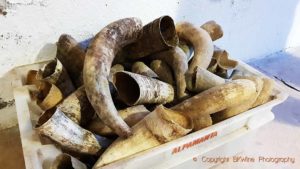
It’s not always easy to get to grips with the terminology, so here’s a short introduction. Strictly speaking one should talk about “wine made from organically grown grapes” since it is only what is done
EU will launch a new logo to mark organic products (“biologique” in French). They created a large number of suggestions. Three suggested logotypes have been chosen for the final round – and you can be
The French sometimes put too much stock in the magic of words and in the value of appellations, as this story, just one of several about AOC and name wrangling, shows: In 2003 a new
They are discussing a reintroduction of the monopoly model for selling alcohol in the country. A working group is toiling to present a proposal in March 2010. The Prime Minister, who has initiated the project,
AOC Bordeaux and Bordeaux Supérieur are one of several regions that have a difficult time. 2008 was a small harvest and some areas were seriously hit by hail in 2009. Export and demand in general
There have been lots of discussions in champagne this year on how much the growers will be permitted to harvest. Curiously, the limit is not set until the beginning of September. Wit the crash in
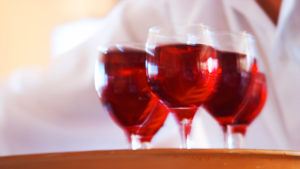
As part of the EU wine reform that has been agreed by the countries’ agricultural representatives it is planned that it will become legal to make rosé wine by blending red and white wine. Today,
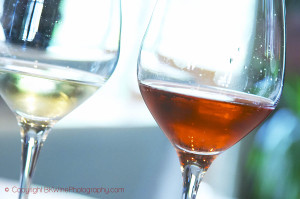
Blending red wine and rosé wine has been prohibited in most of Europe (except in Champagne where it is common). This is about to change: On January 27 the EU approved a proposal to allow
Copper and substances containing copper are frequently used to fight mildew. It is even permitted in organic farming (even though it can hardly be claimed to be a “natural” treatment). There are now discussions on
The EU and Australia recently signed a new trade agreement. One part of that agreement says that Australia will no longer use the denominations Port, Sherry and Marsala for its fortified wines. Many Australian wines
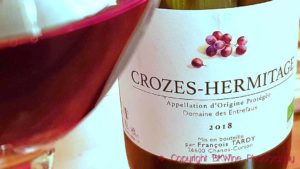
The French government has presented a plan to reform, renew and revive the wine sector. Wines should be categorised in three new (rebranded?) categories: – VdF – Vignobles de France, that will replace Vin de
The hotly debated reform of the wine scheme within the EU agricultural policy has finally been agreed. Albeit a substantially weaker reform than originally proposed by commissioner Mariann Fischer-Boel it is still a step in
The small village Champagne in Switzerland has been the subject of posts previously in the Brief when they attracted the attention of the Champagne region and CIVC in France. French Champagne did not like that
Most wine lovers would probably not hesitate, with a longing in their eyes, to say that Bordeaux Premier Cru refers to the top five chateaux in the 1855 classification: Chx Margaux, Mouton, Haut-Brion, Latour and
The Belgian customs has seized a shipment of 3288 bottles of sparkling André wine (produced by the Californian producer E&J Gallo) and destroyed the bottles (se video here: Decanter). The bottles were marked with the
It was a weakened reform that was agreed with the agricultural ministers just before Christmas. Hardly cause for celebrating with a bottle of champagne, except for the champagne producers and other northern winegrowing regions who
We recently wrote about the plans in Champagne to extend the limits of the appellation to allow for more production. Obviously a contentious issue. Tom Stevenson, a world leading expert on Champagne, asks the question
Is the purpose of a classification to benefit the consumer or to benefit the producer? That is one of the questions one can ask when
A few years ago the EU countries agreed a big reform of the wine production sector. A big part of this was the abolishment in
Since quite a few year it has been forbidden to use the expression “methode champenoise” on sparkling wines made with a second fermentation in the
“Can a Swedish resident import wine for personal consumption, without having to go through the monopoly, or is it completely out of the question?” This
It is exciting to have a new site about wine in Swedish; a site which writes news about wine and which comments and recommends wines.
Last month we talked about the revived (and strange) Cru Bourgeois classification-but-not-classification in Bordeaux. This month it’s time for the no-one-knows-it-exists classification Cru Artisans. Cru
Edonys is the cryptic name of a new television channel that will be entirely dedicated to programs about wine. The channel was created about a
In the olden times there was something called the Cru Bourgeois classification in Médoc (Bordeaux). But then, in 2003, they decided to review and modernise
Some areas in the Languedoc, that fulfil certain criteria, will be classified as Grand Cru according to a new proposal from the producers association, the
There will be no new rules on what is meant by organic (biologique / ecologic) wines in the EU. Today, the only thing that a
The French agricultural research institute (INRA) has – again – planted an experimental vineyard with genetically modified vines. Out of the 500 vines in the
Does binge drinking lead to risky sex among college students? The answer seems to be, yes, perhaps. The American Association of Wine Economists usually publishes
This is an excerpt from our book Languedoc – meetings with the wines and winemakers in the French South, the chapter on “appellations and classification”
It’s not always easy to get to grips with the terminology, so here’s a short introduction. Strictly speaking one should talk about “wine made from
EU will launch a new logo to mark organic products (“biologique” in French). They created a large number of suggestions. Three suggested logotypes have been
The French sometimes put too much stock in the magic of words and in the value of appellations, as this story, just one of several
They are discussing a reintroduction of the monopoly model for selling alcohol in the country. A working group is toiling to present a proposal in
AOC Bordeaux and Bordeaux Supérieur are one of several regions that have a difficult time. 2008 was a small harvest and some areas were seriously
There have been lots of discussions in champagne this year on how much the growers will be permitted to harvest. Curiously, the limit is not
As part of the EU wine reform that has been agreed by the countries’ agricultural representatives it is planned that it will become legal to
Blending red wine and rosé wine has been prohibited in most of Europe (except in Champagne where it is common). This is about to change:
Copper and substances containing copper are frequently used to fight mildew. It is even permitted in organic farming (even though it can hardly be claimed
The EU and Australia recently signed a new trade agreement. One part of that agreement says that Australia will no longer use the denominations Port,
The French government has presented a plan to reform, renew and revive the wine sector. Wines should be categorised in three new (rebranded?) categories: –
The hotly debated reform of the wine scheme within the EU agricultural policy has finally been agreed. Albeit a substantially weaker reform than originally proposed
The small village Champagne in Switzerland has been the subject of posts previously in the Brief when they attracted the attention of the Champagne region
Most wine lovers would probably not hesitate, with a longing in their eyes, to say that Bordeaux Premier Cru refers to the top five chateaux
The Belgian customs has seized a shipment of 3288 bottles of sparkling André wine (produced by the Californian producer E&J Gallo) and destroyed the bottles
It was a weakened reform that was agreed with the agricultural ministers just before Christmas. Hardly cause for celebrating with a bottle of champagne, except
We recently wrote about the plans in Champagne to extend the limits of the appellation to allow for more production. Obviously a contentious issue. Tom


