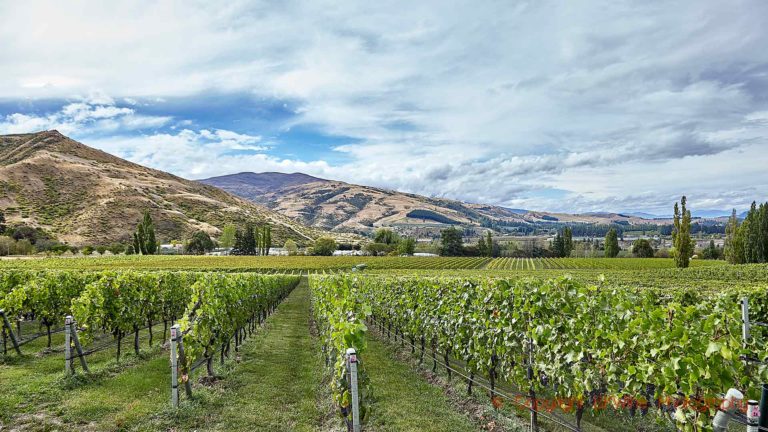
“Volcanic origin is not a marketing concept,” says Jean-Baptiste Deroche, referring to the fact that wines can now be certified “volcanic origin” by the Vinora association of which he is chairman.
Perhaps not the origin itself. However, for a few years now, this branding has been undeniably transformed into a marketing concept. And it is a brilliant one.
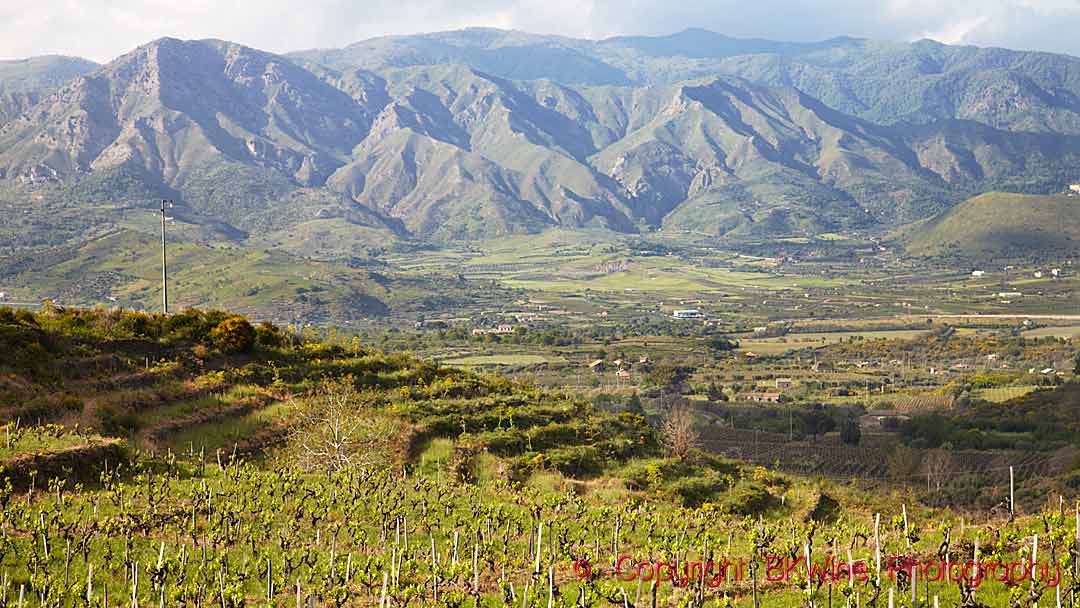
Vinora has identified around 30 wine regions where producers can choose to Vinora-certify their wines. They are very different on from the other: Mosel, Mallorca, Canary Islands, Willamette Valley (Oregon), Limarí (Chile), Styria (Steiermark, Austria), Mount Ararat (Armenia), Alsace Grand Cru Rangen, Savennières (Loire), parts of Beaujolais, Santorini (Greece), Tokaj, Aglianico del Vulture, Soave, Etna and several others.
–
Calling all wine lovers:
Do you know someone who might be interested in a wine tour?
Please tell them about BKWine Wine Tours! We do wine tours like no other.
A leading wine tour operator since more than 20 years.
Thank you in advance for your help and support!
(If you have Swedish friends, please know that we have a separate,
more extensive travel program in Swedish: BKWine Vinresor.)
–
What they have in common is that they have a bedrock that is of volcanic origin. This does not mean that the wines have a similar character. They come from all corners of the world, with different climates, different soils, different grape varieties, different everything. The volcanoes beneath their feet may have been dormant for millions of years or may still be active, like Etna, with recurring small (and sometimes larger) eruptions. Auvergne in the French Massif Central, where Vinora is based, has 80 long-extinct volcanoes.
Why a wine tastes a certain way is incredibly complex. Like limestone or schist soils, soils of volcanic origin can be gravelly, rocky, or clayey, with different capacities to absorb mineral nutrients, different water-holding properties, and good or poor drainage.
But they have one common denominator – the volcano. Is there, therefore, also a common denominator in the character of the wines?
No.
All winegrowers have stories to tell about their soil. But slate, limestone, loess… they don’t quite have the same resonance as volcanic wine, do they?
Say volcanic wine, and people see in front of them, well, what do they really see? Fire? Smoke? Sputtering lava? Intense heat? But that volcanic wines are fiery and warm is not at all the message they want to emphasise. Somewhat paradoxically, Vinora says that volcanic wines give “salty, pronounced freshness and minerality”, which feels a bit like the opposite of the image of a volcano. Admittedly, they also say “smoky notes,” but that can’t really be taken seriously, can it?
To be certified, your vineyard must undergo a strict scientific analysis that proves that the soil where the grapes are grown is of recognised volcanic origin, such as basalt, trachyte, andesite, or gabbro.
Through the certification, says Vinora, “they help to give the term volcanic wine an economic value”. This is particularly important nowadays, as consumers increasingly want a story behind the wine. It is somewhat akin to the label “old vines” in South Africa, or the media-hyped “old vine register” that recently emerged. A way to potentially charge a little more for your wine. What is that, if not marketing?
It is easy to be fascinated by volcanoes. But when it comes to freshness, saltiness and minerality, many soil types want to be part of the game. Think of flint-stone in Sancerre or chalk in Champagne. Who has not felt saltiness in a Chablis or a Vinho Verde? (If you do feel saltiness in a wine. Not everyone does.) Faugères in Languedoc highlights its schist as an exceptional rock, quite unusual too, and with a “unique minerality”. There is a lot of freshness, minerality and saltiness flying around in the tasting rooms these days.
Do buy volcanic wines, but don’t pay too much attention to the marketing claims that they have a “unique character”.
Who dares to do a simple test? Blind-taste ten different wines of similar quality, from ten different wine regions, five from volcanic regions, five from non-volcanic regions. How likely do you think it is that one could correctly identify the five wines that are “volcanic”?
So, the answer to the question in the title will have to be both myth and truth. And undoubtedly marketing .
On to this month’s Brief.
We would especially like to draw your attention to the article about our book “The Wine for the Future”. In June we were at the Gourmand World Cookbook Awards competition and our book won the prize as the world’s best book on sustainability in wine and other beverages, as well as third place in the world’s best wine book all categories, best of the best. Read more about this in the article below.
Also take an extra look at the article about Mount Cook and the excursion on the glacier lake Lake Tasman in New Zealand. It is an in-depth text with lots of pictures and some videos about the absolutely fascinating boat excursion we do on our wine tour to New Zealand. See more in the article below.
Travel
Last-minute Bordeaux: We have two places left on the Bordeaux tour at the end of September. Book urgently if you want to join us. We have some magnificent visits lined up for you. Take a look at the details further down in the travel section of the Brief.
Winter Wine Tours
All three winter wine tours will be back in 2026.
- Chile-Argentina, January 12-25, 2026
- South Africa, February 15-25, 2026
- New Zealand, March 10-25, 2026
Book now! Only a limited number of places left.
See how it’s been this year in these three tour Facebook groups:
- Chile and Argentinas wine tour on Facebook
- South Africa wine tour on Facebook
- New Zealand wine tour on Facebook
Click Join and then choose how many notifications you want – everything, the most important, nothing.
More info on our wine tours here. “World’s Top Wine Tours“. Tours with the people who know wine and who have an unrivalled experience of wine and tours.
Travel in wine regions with someone you trust.
Enjoy the Brief!
Britt & Per
Wine editors to the national encyclopedia, Forbes.com contributors, award-winning wine book authors, wine tour advisors to the UN and national wine organisations, wine judges … and, above all, passionate wine travellers.
If you appreciate what we do, you can help us: Tell your friends about the Brief or send it to them.
Like us and follow us on social media:
BKWine Magazine on Facebook | Wine Tours on Facebook
Twitter | Instagram | Linkedin | YouTube