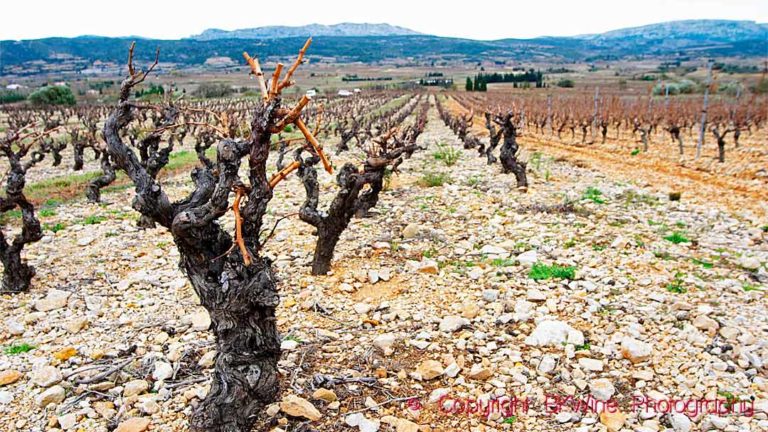
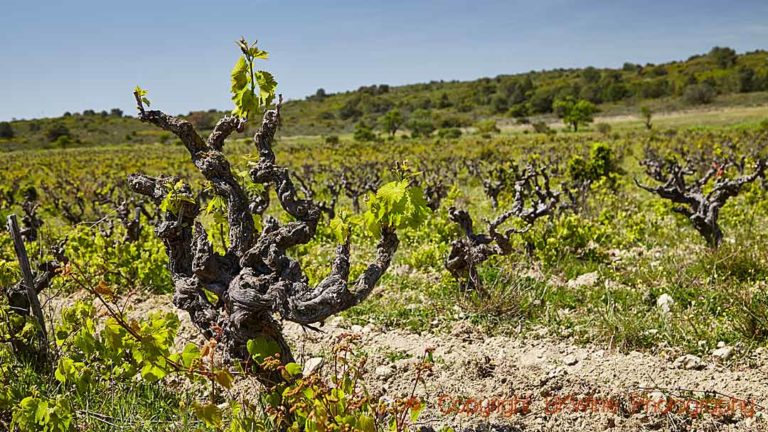
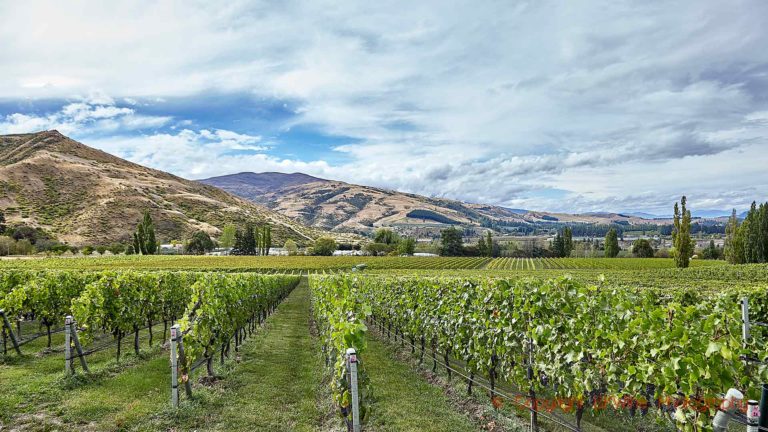
In the heart of Languedoc Roussillon, close to Béziers, Domaine la Colombette is mostly composed of new resistant types of grape. This large estate keeps its promise for true organic viticulture, without compromising its high output.
With this article, we introduce a new contributor to BKWine Magazine, Alexandra Portlock.
In the middle of summer 2025, a heated debate is running through French viticulture. The “Loi Duplomb” law, a controversial bill that allows the more extensive use of certain pesticides and a more flexible approach to very big agricultural water reservoirs (méga-bassines in French) was passed by Parliament on July 9th, 2025. Whilst many scientists consider it an environmental backlash, some farmers argue that big agricultural units need synthetic sprays to ensure sufficient yield from their crops.
An answer to the debate on pesticides
So would pesticide-free alternatives therefore only work for smaller estates?
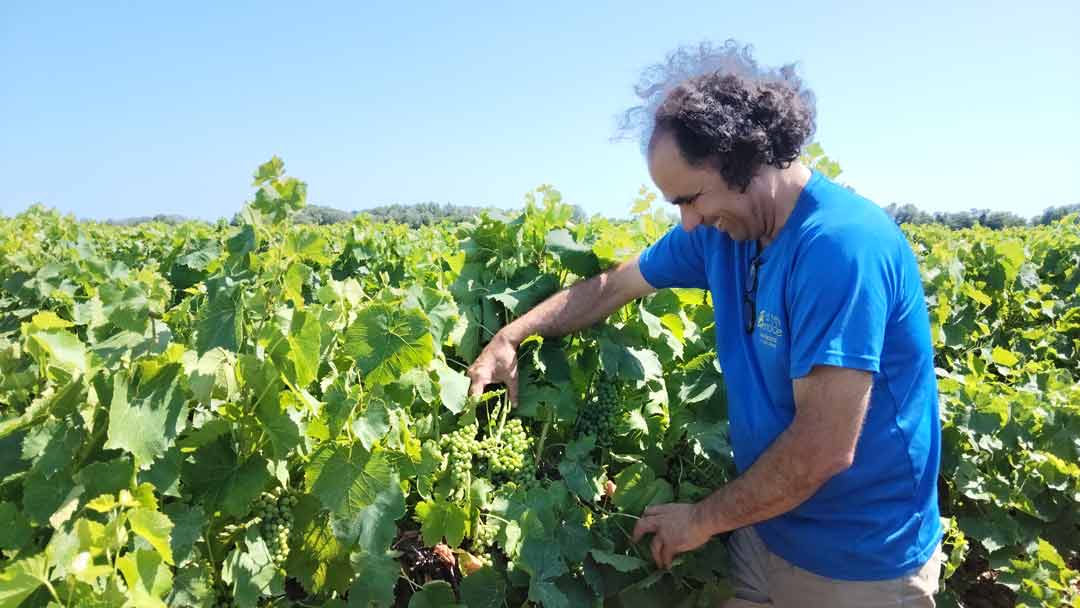
Domaine de la Colombette, a wine estate in the Languedoc, proves otherwise. For the winemaker Vincent Pugibet, differentiate between wine domains according to their size and capacity makes little sense. It is not because you have a big production that you can’t use eco-friendly methods. This winemaker holds a total of 320 ha of vineyards, which receive virtually no treatment. The secret lies in the type of grape variety that they use: new resistant types of grapes compose 80% of the domaine.
These varieties were created either by seed sowing a grape or by crossbreeding between standard (“European”) Vitis vinifera grapes and non-vinifera varieties, creating a hybrid. They need no insecticides (or very little) to stay safe from illnesses and have the capacity to use water in an efficient manner.
The results are noticeable. With 320 hectares of vines and a total productin of 30,000 hectolitres, Vincent Pugibet’s estate is not a small winery, whilst using only small doses of sulphur on some vineyard plots, the most delicate ones. In fact, the vines that need the most treatment are his limited chardonnay range, located just next to a plantation of fleurtai grapes, an Italian variety created by crossing a vinifera grape with a non-vinifera grape.
Fleurtai shows healthy leaves, whereas the more traditional chardonnay presents white spots, an unmistakable sign of illness. Holding a leaf of both plants in each hand, the heir of four generations of winemaking points out that despite treatment, the chardonnay vine leaf suffer mildew attacks, which compromises yields. He concludes: “Chardonnay and merlot have no commercial future.”
Read more on BKWine Magazine on resistant grape varieties:
- Fungus-resistant grape varieties are (slowly) gaining ground in France
- Fungus-resistant grapes should be called fungus tolerant
- More new fungus-resistant grape varieties in France
- Fungal disease attacks fungus-resistant grapes, a setback for environmentally friendly grapes?
- Natural wine producers form an association to promote fungus-resistant grapes


One Response
Fascinating to see a large estate proving that resistant grapes can truly scale, which gives hope for the future of sustainable wine.