In a recent digital masterclass hosted by Robert Mondavi Winery (*), participants were invited to take a closer look at one of Napa Valley’s most recognised names. With Kurtis Ogasawara, director of winemaking, leading the conversation from Oakville, California, and Konstantin Baum, a German wine consultant, moderating the conference offered both a structured tasting and background on the winery’s philosophy and direction.
Rather than a promotional presentation, the tasting felt like an open, well-paced technical walkthrough: part update, part reflection. We tasted three wines: a 2021 Chardonnay from Carneros, a 2019 Napa Valley Cabernet Sauvignon, and the 2019 To Kalon Reserve Cabernet Sauvignon, each illustrating a particular aspect of the estate’s current identity.
Wines that Lean into Freshness
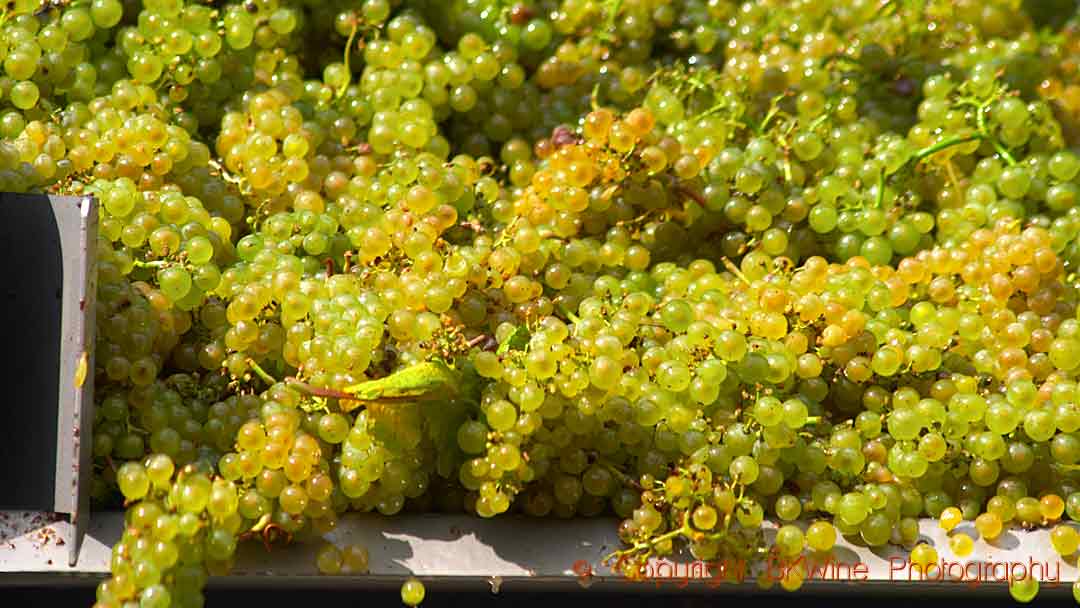
The masterclass opened with the Robert Mondavi 2021 Carneros Chardonnay. Ogasawara emphasised that, despite being barrel-fermented and aged in 100% French oak (75% new), the goal is not to achieve heaviness or creaminess, but rather clarity and lift. The wine is stirred on its lees during fermentation to build texture, but the team remains focused on freshness, acidity, and restrained oak.
“We’re not looking for overly buttery styles,” Ogasawara noted. “We want site expression.”
The 2021 vintage allowed for that, with moderate temperatures, low yields, and good concentration. The fruit, sourced from Napa’s cooler Carneros region, showed citrus, mineral tones and subtle toast, which provided a marked contrast to the fuller-bodied styles often associated with Californian Chardonnay.
Napa Cabernet as Regional Overview
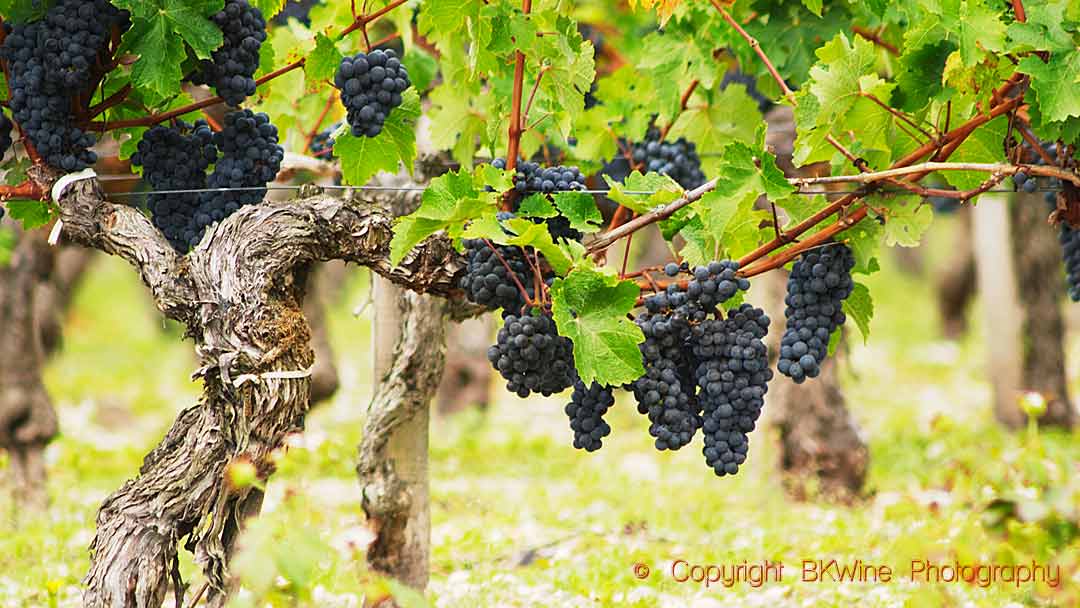
The Robert Mondavi 2019 Napa Valley Cabernet Sauvignon was presented as a snapshot of the region as a whole. Sourced from multiple AVAs (American Viticultural Areas, including Oakville, Stags Leap, and Carneros), the wine blends five Bordeaux varieties and reflects the winemaking team’s response to what Ogasawara described as an even, mostly drama-free vintage.
The emphasis here, again, was on structure and drinkability rather than opulence. “We don’t aim to create the same wine every year,” he said. “We want the vintage to speak.”
The wine was balanced and expressive, with dark fruit, spice and polished tannins. It stood as the most versatile and open-knit of the three.
To Kalon Reserve: A Focus on Detail
The final wine of the tasting, the Robert Mondavi 2019 To Kalon Reserve Cabernet Sauvignon, came from selected blocks within the historic To Kalon Vineyard. The Reserve is aged for 21 months in 100% new French oak and aims to showcase depth, longevity, and vineyard precision.
While cabernet franc is often part of the blend, it was left out in 2019. “It didn’t make the wine better,” Ogasawara said plainly. Instead, 2.5% petit verdot was added for structure and length.
Harvest took place over a month, with each block picked at optimal ripeness. The resulting wine was layered, dense, but not heavy, and clearly crafted for ageability.
From the Tasting Room to the Vineyard
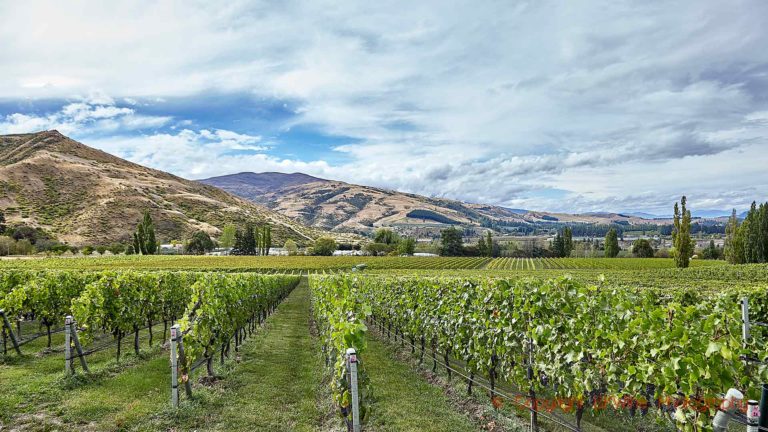
Alongside the wines, Ogasawara shared updates on the ongoing renovation of the winery. With a new hospitality centre overlooking To Kalon, the goal is to align architecture and visitor experience more closely with the landscape.
From vineyard conversions to organic farming to investment in winemaking infrastructure, the message was one of careful evolution: not reinvention, but refinement.
Where Napa is Heading
The session provided a focused, well-paced look at how Robert Mondavi Winery is positioning itself today — not through slogans, but through vineyard work, stylistic decisions, and transparency. This masterclass offered some clear signals about where Napa is heading: restraint, site awareness, and a willingness to let the wines do the talking.
(*) Ed.: Robert Mondavi is today owned by Constellation Brands, one of the world’s biggest wine producing groups.