New vintages of Côte Rôtie, Condrieu and more from Vidal Fleury | Britt on Forbes

Share / Like:

Wines from the Northern Rhône Valley are almost always produced in small quantities. The appellations here are among the smallest in France. There is no doubt however that syrah is particularly expressive here. Not surprisingly, many wine lovers are eager to find these wines. They are mostly red, but the rare whites are equally delicious.

Vidal Fleury is the oldest producer in the northern Rhône Valley still in operation. The house makes some excellent wines from syrah, the only red grape variety permitted in the region, and the three whites, viognier, marsanne and roussanne.

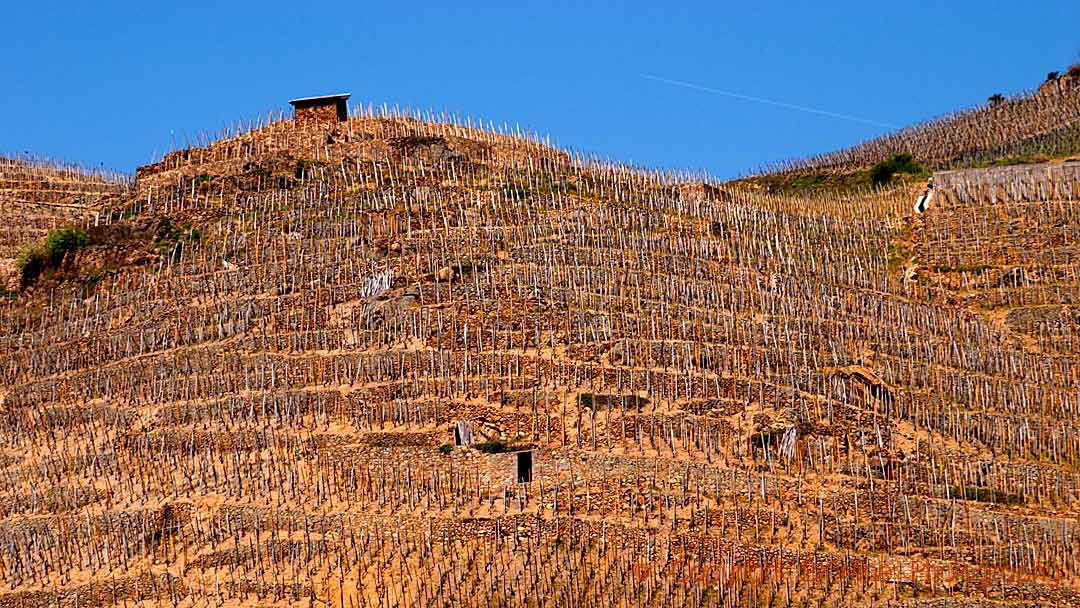
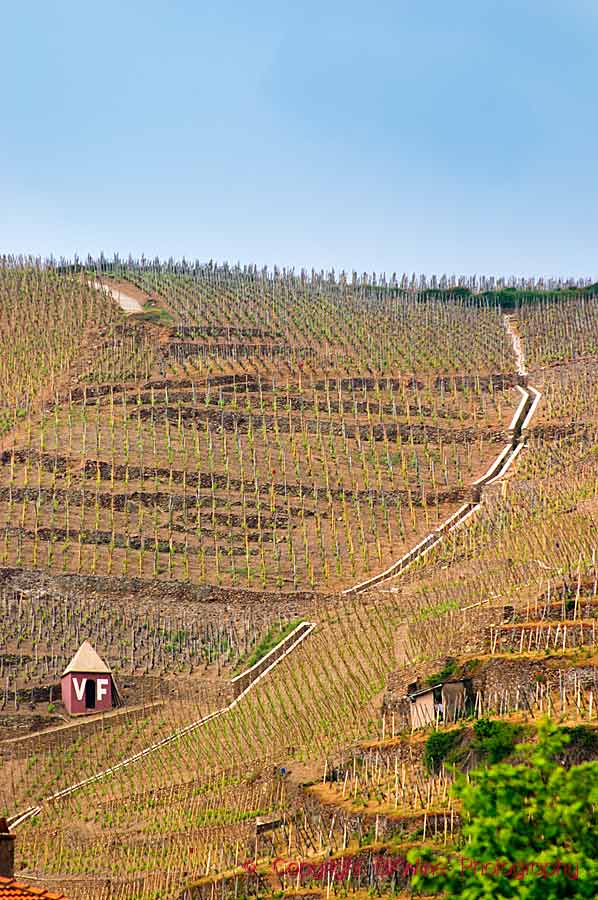
Vineyards on the Cote-Rotie hill in the northern Rhone valley
Vineyards on the Cote-Rotie hill in the northern Rhone valley, copyright BKWine Photography

Vidal Fleury was founded in 1781 in Ampuis, a small town in the heart of the Côte Rôtie and Condrieu appellations. Some of the Rhône Valley’s most prestigious wines are made here. Over the years, Vidal Fleury has expanded its operations to produce wines from the entire Rhône Valley, including the southern part.

A few years ago, I tasted the producer’s many wines alongside Antoine Dupré, the managing director, who is also an oenologist.

Read my detailed presentation of Vidal Fleury from this encounter here: The oldest winery of the northern Rhône: Vidal Fleury, more than “just” Côte Rôtie.

This is a longer version of an article published on Forbes.com.

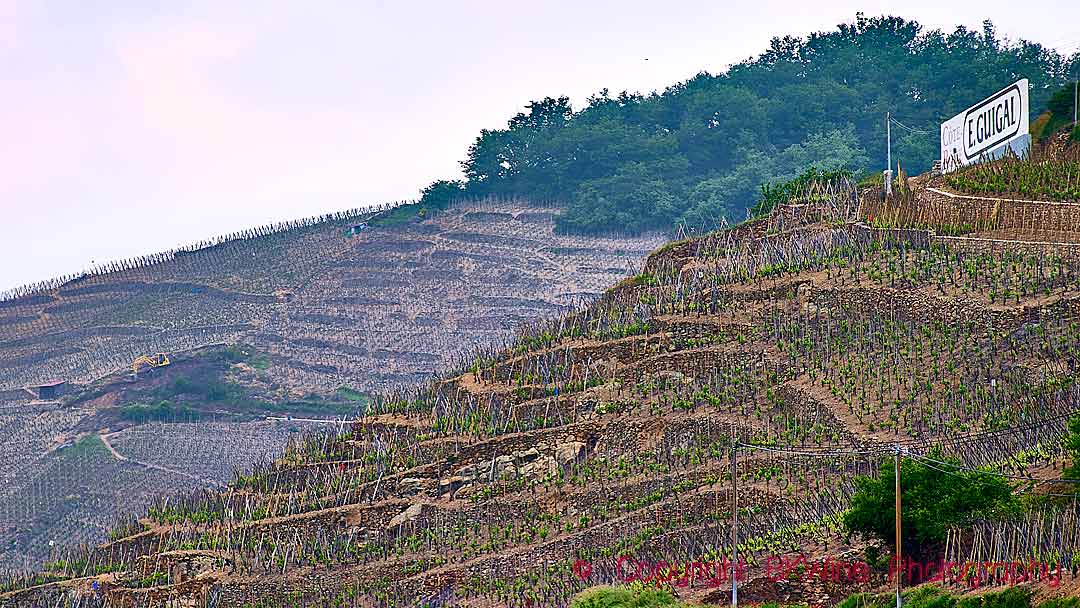
Steep terrassed vineyards in Cote Rotie with a Guigal sign, Rhone Valley
Steep terrassed vineyards in Cote Rotie with a Guigal sign, Rhone Valley, copyright BKWine Photography

Brief overview of the northern Rhône appellations:

The northern Rhône Valley is primarily known for its syrah red wines and viognier white wines, but there’s also some marsanne and roussanne. The vineyards are often on steep, terraced slopes.

Red wines

Côte-Rôtie: Elegant, full-bodied syrah reds, sometimes a small percentage of viognier to add complexity, finesse, and floral notes. Approximately 320 ha.

Hermitage: Powerful, full-bodied syrah reds. It also produces a small amount of full-bodied white wines from marsanne and roussanne. Appr. 140 ha

Crozes-Hermitage: The largest appellation, surrounding Hermitage, sometimes considered “the little brother” of it. It offers a wider range of styles with the reds also made from syrah, generally more approachable than Hermitage. There’s also a small amount of white wine from marsanne and roussanne. Appr. 1,650 ha.

Saint-Joseph: Mainly Syrah reds, which are typically lighter in style than Hermitage or Cornas. Also produces some rare white wines from marsanne and roussanne. Appr. 1,200 ha.

Cornas: Producing 100% syrah wines, typically dark, powerful, and tannic when young. Appr. 150 ha.

White Wines

Condrieu: Making exclusively aromatic and full-bodied white wines made from Viognier. Appr. 200 ha.

Château-Grillet: A tiny, monopole appellation with viognier wines. Appr. 3.5 ha.

Saint-Péray: Little-known appellation that makes both still and sparkling white wines exclusively from marsanne and roussanne. Appr. 110 ha.

Syrah vineyards in Côte Rôtie in the northern Rhône Valley
Syrah vineyards in Côte Rôtie in the northern Rhône Valley, copyright BKWine Photography

New vintages Vidal-Fleury

I recently met Antoine Dupré again and tasted new vintages of Vidal Fleury’s wines from the northern Rhône Valley.

Antoine emphasises that he is careful to bring out freshness in the wines. It is essential for him to reduce the impact of the oak barrels on the wine; to use a smaller proportion of new barrels, let the wines remain in the barrels for a shorter time, and possibly use larger formats. The length can vary depending on the vintage, to prevent the fruit from drying out. “We are looking for elegance and lightness in our wines, not the muscular style,” he says.

Antoine Dupré, general manager of Vidal-Fleury in the Rhone Valley
Antoine Dupré, general manager of Vidal-Fleury in the Rhone Valley, copyright BKWine Photography

Côte Rôtie La Chatillonne 2019, Vidal-Fleury

Vidal-Fleury has been producing its top wine, La Chatillonne, since 1781, the only one it has made since the beginning. “We have always had this vineyard,” says Antoine. There are never many bottles of La Chatillonne, a maximum of 4,000. The wine is produced from vines that grow in the northern part of the Côte Blonde, with soil composed of gneiss and clay. It is a special soil where the grapes ripen late but exceptionally well. Antoine says it is a “sunny vineyard with a terroir that gives freshness”. Syrah is blended with 12% viognier.

The wine is relatively light in style, yet it boasts great complexity in its aromas and a richness on the palate. Here, you can feel the warmth and spices that are typical of the region’s wines. The barrel ageing is discreet and its impact stays in the background. 2019 was “a perfect year with no blockage of the maturation,” says Antoine.

La Chatillonne, Cote Rotie, Vidal Fleury, Rhone Valley
La Chatillonne, Cote Rotie, Vidal Fleury, Rhone Valley, copyright BKWine Photography

La Chatillonne Côte Rôtie 2018, Vidal-Fleury

2018 was another excellent vintage. It began with a rainy spring and a cold spell in April and May. Then came a hot and dry summer. The grapes ripened properly. A light rain in early September was welcome for the sake of balance.

Here we have the elegant style again. A classic and well-balanced Côte Rôtie, great to drink now, with savoury aromas of blackcurrant and exotic spices. Long finish. (~90 euro)

Côte Rôtie Brune & Blonde 2021, Vidal-Fleury

A good alternative to La Chatillonne is Vidal-Fleury’s Côte Rôtie Brune & Blonde, which blends grapes from the appellation’s different soil types. Here, the wine comes from vineyard plots in both the northern and southern parts of the appellation and thus gives a good picture of the entire Côte Rôtie appellation (which is small, only 300 hectares). The steeply sloping terraces face due south.

2021 was a cool and challenging year, and here they have chosen to blend syrah with only 5% viognier. The flowering was delayed, and the summer was not particularly hot; however, the sun managed to provide the grapes with enough sugar and aromas, and in the end, it was an excellent vintage. As often occurs in slightly cooler years, the typical syrah aromas are evident, and so they are here too. This is a wine that all Syrah enthusiasts will appreciate. No problem drinking a 2021 now, but it will age nicely as well. (~55 euro)

Côte Rôtie 2020, Brune et Blonde de Vidal Fleury
Côte Rôtie 2020, Brune et Blonde de Vidal Fleury, copyright BKWine Photography

Hermitage 2022, Vidal-Fleury

From the top of the legendary Hermitage Hill, you have a splendid view of the Rhône River, the steep wine slopes and the two twin towns of Tain l’Hermitage and Tournon, on either side of the river. Hermitages are often powerful and well-structured wines, and so is this 2022 vintage from Vidal-Fleury, where I also find a savoury pepperiness. The wine can be drunk with pleasure already now with a good piece of meat – the tannins are not at all in the way – or aged for many years. (45 euros)

The summer of 2022 was exceptionally dry, but a brief rainfall in mid-August provided the water needed to produce fine grapes, bursting with sugar and aromas.

Saint Joseph Rouge 2021, Vidal-Fleury

Here, we also have 100% syrah, with an intense and very fresh fruit character and balanced tannins. A touch of new oak, 20%, which seems to be just the right amount. A very drinkable wine. (~20 euro)

Crozes-Hermitage 2022, Vidal-Fleury

For me, a typical syrah character with some smokiness (charcuterie) paired with juicy red berries. (~16 euro).

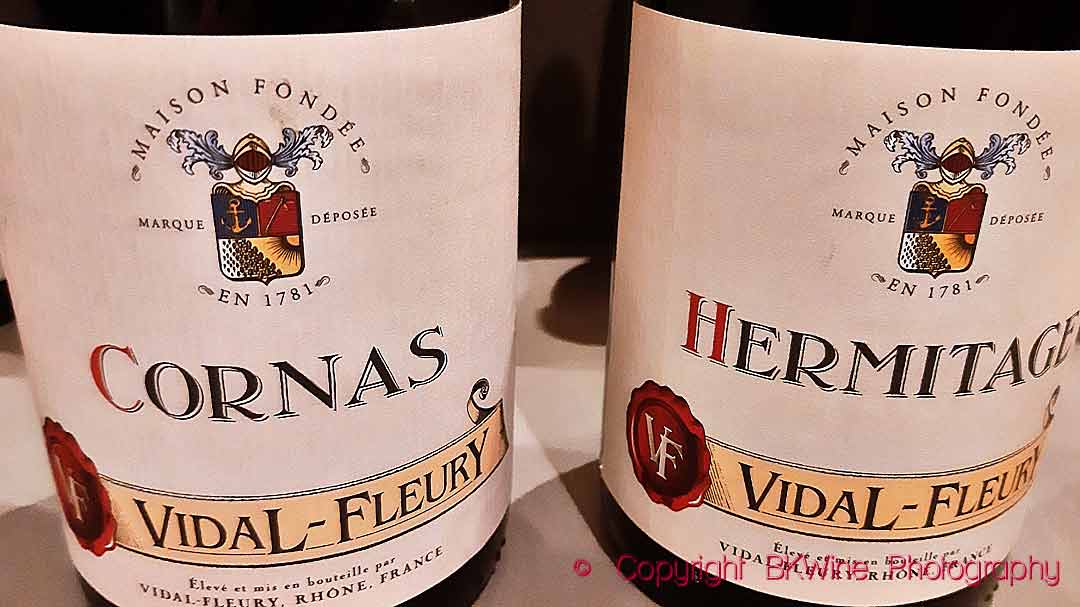
Cornas and Hermitage from Maison Vidal-Fleury
Cornas and Hermitage from Maison Vidal-Fleury, Rhone Valley, copyright BKWine Photography

White wines

The Rhône Valley does not produce a significant amount of white wine at present, but this may change over the next few years as demand for white wine is growing. And the Rhône whites are superb, no matter if it is a prestigious Condrieu or a more unpretentious Côte du Rhône.

Condrieu 2021, Vidal-Fleury

Condrieu is a small appellation of only 200 hectares (495 acres), but it has achieved great international fame. The grape is 100% viognier, and for a long time, it was only found here in the northern Rhône Valley. Now it has spread further south in France and to other countries. However, in Condrieu, the grape achieves an expression that is difficult to replicate elsewhere.

For its Condrieu, Vidal-Fleury only allows 30% of the must to ferment in new oak barrels, while the rest ferments in steel tanks. The wine then remains in its respective barrels or steel tanks for 14 months. This way, the freshness is not masked, and the wine gets a good structure. As is often the case with viognier, aromas of ripe yellow fruit, apricot and ripe melons dominate. You can feel the sweetness of this ripe fruit in the richness of the palate. The acidity is not so prominent, but the wine has a certain vibrancy that I like. A delicious wine with substantial body and a lovely mouthfeel. (~35 euro)

Condrieu 2020, Vidal-Fleury
Condrieu 2020, Vidal-Fleury, copyright BKWine Photography

Côte du Rhône blanc 2023, Vidal-Fleury

Charming, fresh herbal style with a hint of bitterness. Antoine says that they have now increased the proportion of clairette grapes in the wine to 25% to get more freshness. Delicious and affordable wine. (~8 euros)

Crozes-Hermitage Blanc 2022, Vidal-Fleury

A blend of 95% marsanne and 5% roussanne with 15–20% of the wine aged in oak barrels. A well-structured wine with good body and yellow fruit aromas.

Saint Joseph Blanc 2023, Vidal-Fleury

A blend of 70% marsanne, 30% roussanne and ageing in 228 litre oak barrels gives a lovely mouthfeel in this wine.

Saint Péray 2023, Vidal-Fleury

Saint Péray is a small, yet interesting, white wine appellation, covering 116 hectares of vines planted on limestone soil on the gentle slopes at the foot of the impressive Château de Crussol ruins. The grapes are marsanne and roussanne, and can be made into either a still wine or a sparkling wine produced with the traditional method (second fermentation in bottle).

This is 100% marsanne and it is a delicious wine stone fruit aromas, a hint of almond, good body and length.

Travel

The best way to discover the true soul of Rhone wines is to go there. Explore the delicious Rhone wines on a wine tour to the Rhone Valley with BKWine.

Travel to the world’s wine regions with the wine experts and the wine travel specialist.

Wine tours that give you insight. BKWine wine tours.

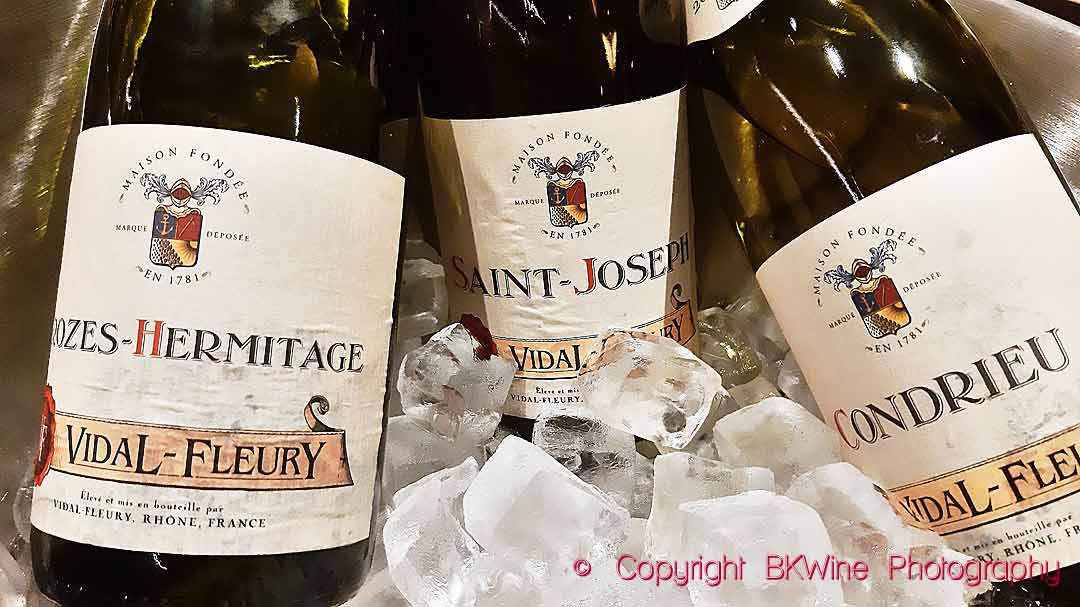
White wines from Vidal Fleury, Crozes-Hermitage, Saint Joseph, Condrieu, Rhone Valley
White wines from Vidal Fleury, Crozes-Hermitage, Saint Joseph, Condrieu, Rhone Valley, copyright BKWine Photography
A Vidal Fleury sign in Côte Rôtie vineyards in the northern Rhone Valley
A Vidal Fleury sign in Côte Rôtie vineyards in the northern Rhone Valley, copyright BKWine Photography
Vidal Fleury Côte Rôtie vineyards in the northern Rhone Valley
Vidal Fleury Côte Rôtie vineyards in the northern Rhone Valley, copyright BKWine Photography

Chose your language. Read the article in:

Author:

Author:

Share this post:

Leave a Reply

Your email address will not be published. Required fields are marked *

  Subscribe to comments:

Notify me of followup comments via e-mail. You can also subscribe without commenting.

SUBSCRIBE TO OUR NEWSLETTER!

25,000 subscribers get wine news every month. You too?